





From the Floor to the Walls
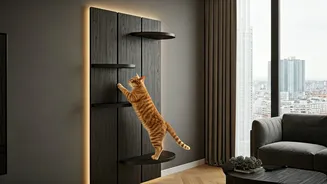
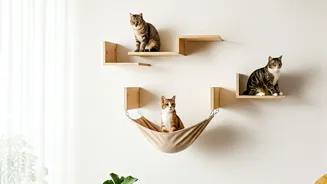
This trend is all about “catification”—modifying your home to meet your cat’s instinctual needs. Instead of bulky cat trees that occupy precious floor space, pet owners are using walls to create elaborate playgrounds. These “cat superhighways” consist
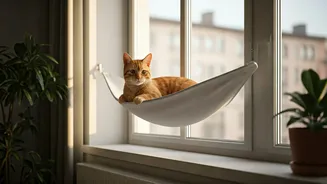
of wall-mounted shelves, steps, bridges, and, of course, the ever-popular hammock. They create a vertical world for cats to explore, rest, and survey their kingdom from above. It’s a smart solution that gives your pet their own space without cluttering your living area, making it a perfect fit for modern apartments and homes where every square foot counts.
Why Your Cat Craves Height
To understand the appeal of a wall-mounted hammock, you have to think like a cat. In the wild, cats are both predators and prey. Height offers a strategic advantage on both fronts. From a high perch, they can spot potential threats (like a noisy vacuum cleaner or an excitable toddler) and prey (like a dust bunny or a favourite toy) with ease. This elevation provides a sense of security and confidence. It also helps establish territory in multi-cat households, allowing felines to create their own personal zones and avoid conflict by simply moving to a different level. Providing this vertical space is a direct way to reduce stress and enrich your cat’s indoor environment.
The Benefits for Pet Parents
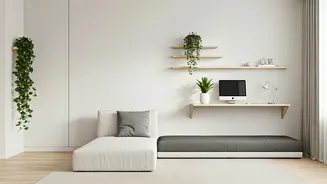
While the primary beneficiary is your feline friend, the advantages for you are undeniable. Firstly, there's the space-saving element. In cities like Mumbai, Delhi, or Bengaluru where homes are often compact, moving your pet’s furniture onto the walls is a game-changer. It frees up floor area and makes your home feel larger and more organised. Secondly, it’s an aesthetic upgrade. Gone are the days of ugly, carpet-covered cat towers. Today’s wall furniture comes in sleek, minimalist designs—think light woods, modern metals, and neutral fabrics—that can complement your existing decor or even become a stylish feature wall. It allows you to pamper your pet without compromising on style.
Planning Your Cat’s Vertical World
Excited to start drilling? Hold on for a moment. A successful cat highway requires a bit of planning. First, assess your cat. Is she a bold, athletic leaper or a more cautious, senior cat who needs shorter, easier steps? Design the layout accordingly. The path should be logical and safe, with no dead ends and comfortable distances between perches (typically no more than a foot or two apart, both vertically and horizontally). Next, check your walls. Ensure they are solid enough to support the shelves and a jumping cat. Drywall may require special anchors for security. Finally, think about placement. Avoid positioning shelves where a cat could knock over valuables. A route leading to a window perch with a view of birds is often a huge hit.
DIY Project or Buy-It-Now?
You can go two ways with this: DIY or store-bought kits. A DIY approach allows for complete customisation. You can use simple wooden shelves from a hardware store, cover them in non-slip material like carpet squares or cork, and create a system perfectly tailored to your space. However, this requires some skill and ensuring everything is secure is your responsibility. Alternatively, dozens of Indian and international brands now offer ready-to-install kits online. These modular systems are designed for safety and easy installation, often coming with all the necessary hardware and instructions. While they might be more expensive, they provide peace of mind and a professionally finished look.