




What is Cost Per Wear?
Cost per wear, or CPW, is a simple metric that reveals the true cost of an item you own. Instead of just looking at the initial purchase price, CPW calculates the cost based on how many times you actually wear the garment. This shifts the focus from short-term
spending to long-term value, helping you understand which items are genuine investments and which are expensive mistakes, regardless of their initial price. It's a personal way to assess the real value of your clothes beyond the price tag, encouraging more thoughtful consumption.
The Simple Formula for Value
Calculating cost per wear is straightforward: divide the total cost of an item by the number of times you've worn it. The formula is: Cost Per Wear = Price of Item / Number of Wears. For example, a quality blazer that costs ₹10,000 and is worn 50 times has a CPW of ₹200. In contrast, a trendy top bought on sale for ₹1,000 and worn only twice has a CPW of ₹500. Despite its lower initial price, the top is more than twice as 'expensive' as the blazer in the long run. For a more precise calculation, you can also add maintenance costs like alterations or dry cleaning to the total price.
Prioritise Your Actual Lifestyle
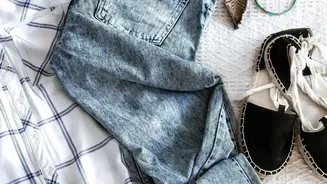
The most effective wardrobes are those built for the life you actually live, not the one you imagine. Before making a purchase, consider its role in your daily routine. Does it work for your job, your social life, your hobbies? A beautiful formal dress worn once has a very high cost per wear, while a versatile, comfortable pair of jeans you reach for weekly provides immense value. The garments with the lowest CPW are often the unsung heroes of our closets: the perfect t-shirt, a reliable jacket, or well-fitting trousers that seamlessly integrate into dozens of outfits. Focusing on these foundational pieces ensures your wardrobe is not just full, but functional.
How to Lower Your Cost Per Wear
Lowering your CPW is about making more intentional choices. Start by investing in quality over quantity; well-made garments last longer and endure more wears, reducing their cost over time. Prioritise versatility. Before buying, ask yourself if the item can be styled in multiple ways with pieces you already own. A 'chameleon' piece that works across seasons and occasions will always be a better investment. Don't neglect proper garment care, as it extends the life of your clothes. Finally, consider tailoring. A small investment to get the perfect fit can transform an overlooked item into a daily favourite, drastically cutting its cost per wear.
Beyond the Math: A Mindset Shift
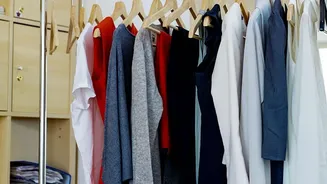
While CPW is a powerful tool for financial efficiency and sustainable shopping, it's also a mindset. It encourages you to pause before making impulse buys and question whether a potential purchase truly adds value to your life. This approach naturally combats the fast-fashion cycle of buying, wearing a few times, and discarding. By focusing on longevity and personal style, you build a more curated, satisfying wardrobe that reduces decision fatigue and waste. You start to see your clothes not as disposable items but as investments in your daily comfort and confidence. This shift leads to a closet filled with pieces you genuinely love and use, which is the ultimate reward.