

Rajma Chawal from North India
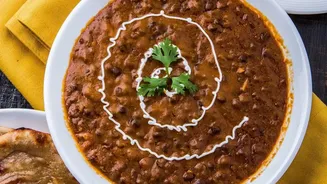
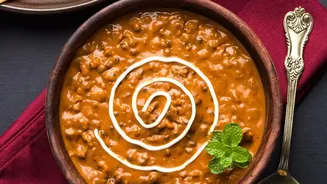
For millions in North India, comfort is a steaming plate of Rajma Chawal. This simple combination of red kidney beans in a thick, aromatic gravy served with fluffy white rice is more than a meal; it’s a Sunday ritual and a taste of home. Though the kidney bean itself
arrived in India from the Americas centuries ago, it was in the kitchens of Punjab, Delhi, and the Himalayan states that it was transformed. Cooks slow-simmered the beans with a base of onions, tomatoes, ginger, and garlic, creating a hearty, protein-rich dish that was both affordable and deeply satisfying. Its popularity surged after Partition, becoming a symbol of resilience and resourceful home cooking for many families rebuilding their lives. Today, it’s a dish that transcends class, found everywhere from highway dhabas to family dining tables.
Thayir Sadam from South India
In the warm climate of Southern India, particularly Tamil Nadu, comfort often comes in the form of Thayir Sadam, or curd rice. It is the epitome of simplicity and soothing nourishment. At its most basic, it's cooked rice mixed with yogurt and salt. However, it’s the tempering (thalipu) that elevates it: a sizzle of mustard seeds, curry leaves, and sometimes green chilies in oil, which is then stirred into the rice. Pomegranate seeds or grated carrots are often added for a touch of sweetness and texture. Curd rice is considered easy to digest and incredibly cooling for the body, making it a go-to meal on a hot day or when feeling unwell. It’s a staple in lunchboxes, a common offering in temples, and the perfect, gentle end to a spicy South Indian meal.
Litti Chokha from Bihar
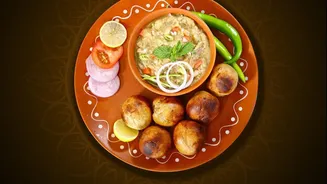
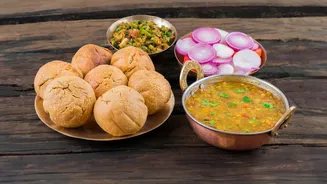
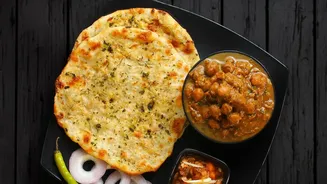
Travel east to Bihar, and you'll find a rustic, earthy comfort food that speaks of the region's heartland: Litti Chokha. Litti are whole wheat dough balls stuffed with a savoury mixture of sattu (roasted gram flour), herbs, and spices. Traditionally, these are roasted over a coal or cow-dung fire, giving them a distinct smoky flavour. They are served dipped in ghee alongside chokha, a mash of roasted and spiced vegetables, most commonly brinjal (eggplant), potatoes, and tomatoes. This dish is a complete meal in itself, providing carbohydrates, protein, and vitamins. Its origins are humble, designed as a long-lasting and nutritious meal for travellers and farmers. Litti Chokha represents a culinary tradition that is deeply connected to the land and a way of life that values simple, wholesome ingredients.
Poha from Maharashtra
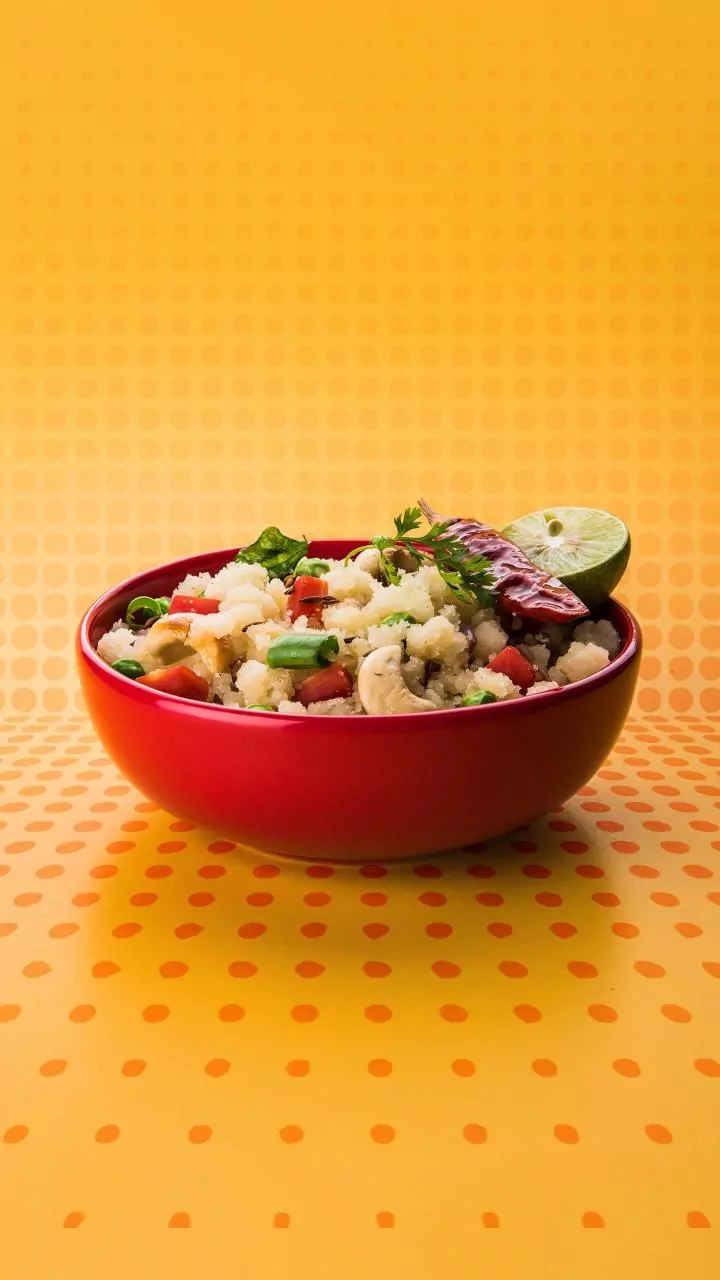
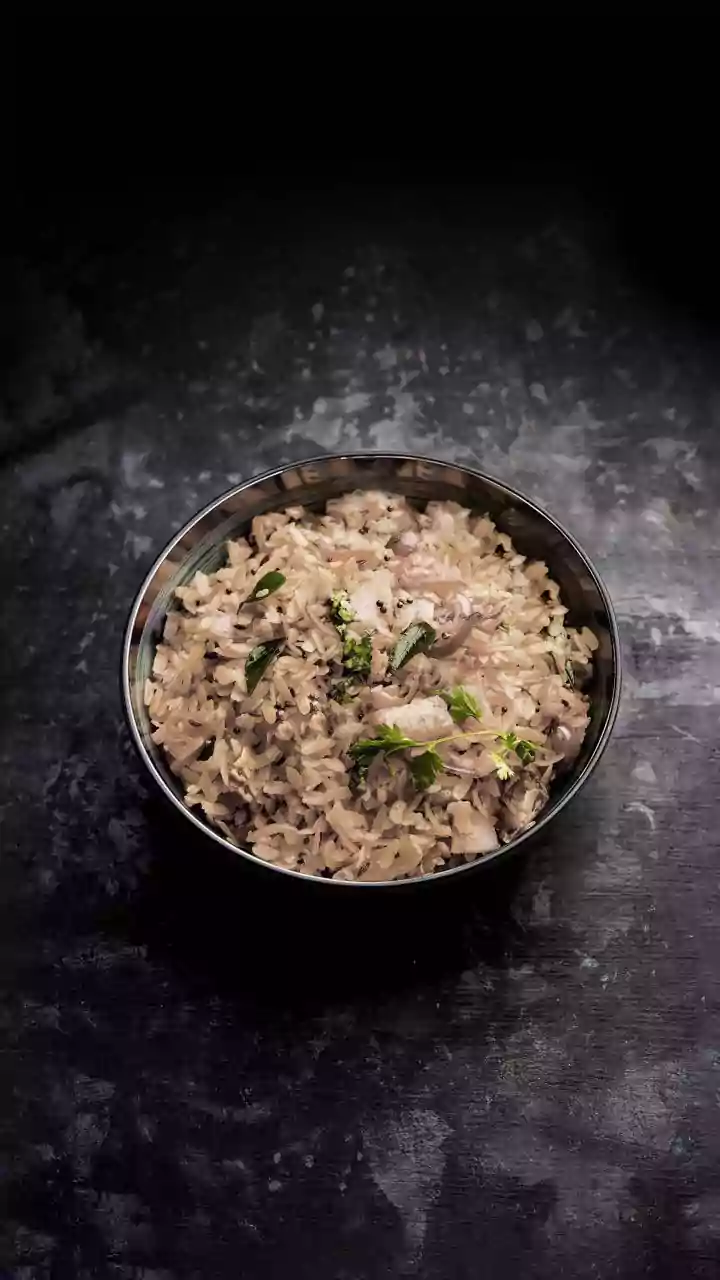
In the western state of Maharashtra, the quintessential comfort breakfast is Poha. Made from flattened rice, it’s a light, quick, and incredibly versatile dish. The most famous variant is Kanda Poha, where the flattened rice is quickly rinsed and then tossed in a pan with sautéed onions (kanda), mustard seeds, turmeric, and green chilies. Often garnished with fresh coriander, a squeeze of lemon juice, and sometimes roasted peanuts or sev, it offers a perfect balance of soft, savoury, and tangy flavours. Poha became popular as an economical and quick-to-cook meal for workers, and its appeal has since spread across India. It's a breakfast staple, an evening snack, and even a part of cultural traditions, showcasing how a simple ingredient can become a beloved comfort food.
Masor Tenga from Assam
From the Northeast, Assamese cuisine offers Masor Tenga, a tangy and light fish curry that is the region's ultimate comfort food. 'Masor' means fish, and 'tenga' means sour, which points to the dish's signature flavour profile. The sourness comes from local ingredients like tomatoes, ou tenga (elephant apple), or kazi nemu (a type of lemon). The curry is typically thin, prepared with minimal spices, allowing the delicate taste of the freshwater river fish and the tangy agent to shine through. It's a dish enjoyed year-round and is considered incredibly refreshing, especially during hot weather. Served with steamed rice, Masor Tenga is a testament to the Assamese style of cooking, which emphasizes fresh, local ingredients and clean flavours.
Gujarati Kadhi from Gujarat
While kadhi is made across India, the Gujarati version offers a unique and comforting experience. Unlike its thicker, spicier Punjabi cousin, Gujarati Kadhi is a thin, soup-like curry made from yogurt and gram flour (besan). Its defining characteristic is the delicate balance of sweet and sour flavours, achieved by adding jaggery or sugar along with a souring agent. Tempered with mustard seeds, cumin seeds, cloves, and curry leaves, this white, fragrant curry is often served with steamed rice or khichdi. It’s light on the stomach and deeply warming, representing the Gujarati culinary philosophy of balancing multiple flavours in a single dish. It's a simple, everyday preparation that holds a special place in the hearts and homes of the region, embodying comfort in a bowl.