






Why Whey Was Once King
For decades, athletes and fitness enthusiasts have sworn by whey protein, and for good reason. Derived from milk, whey is considered a 'fast-acting' protein, meaning it's digested and absorbed quickly. It boasts a 'complete' amino acid profile, containing
all nine essential amino acids (EAAs) our bodies can't make on their own. Most importantly, it is naturally rich in leucine, a specific branched-chain amino acid (BCAA) that acts like a light switch for muscle protein synthesis—the process of repairing and building muscle. A typical scoop delivers around 2.5 grams of leucine, hitting the sweet spot needed to kickstart muscle recovery post-workout. This combination of rapid absorption and a powerful amino acid profile cemented whey's status as the gold standard for muscle growth and protection.
Closing the Digestibility Gap
A common knock against plant proteins has been their digestibility. Historically, plant-based sources were considered less bioavailable due to factors like fiber and naturally occurring 'anti-nutrients' that can hinder protein breakdown. However, modern processing techniques have largely mitigated these issues. Furthermore, many of today's advanced plant protein powders are fortified with a blend of digestive enzymes, such as proteases and amylases. These enzymes help break down the proteins and carbohydrates more efficiently, significantly improving absorption and reducing common complaints like bloating. While whey still scores nearly perfectly on digestibility scales like PDCAAS and DIAAS, innovations in processing and enzyme fortification have made plant proteins far more comparable in how effectively our bodies can use them.
Cracking the Amino Acid Code
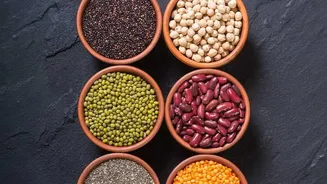
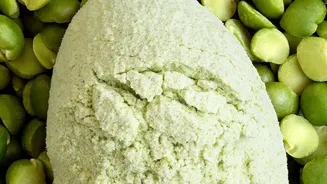
The other major hurdle for plant proteins was their amino acid profile. Many individual plant sources, like rice or hemp, are 'incomplete', meaning they are low in one or more essential amino acids. Rice protein, for example, is low in lysine, while pea protein is lower in methionine. The solution has been elegant and effective: blending. Modern formulators now combine complementary plant protein sources, such as pea and brown rice, to create a robust and complete amino acid profile that rivals whey. Studies have shown that when a plant-based protein blend contains a similar amount of total protein and BCAAs as whey, it can be equally effective at promoting muscle growth. Some brands even add extra leucine to their blends to ensure they match whey's muscle-triggering power gram for gram.
The Verdict on Muscle Growth and Protection
So, do these advancements translate to real-world results? The scientific consensus is increasingly pointing to yes. Multiple studies have concluded that as long as total daily protein intake is sufficient, there are no significant differences in muscle growth, strength development, or recovery between those who use whey and those who use a high-quality, leucine-matched plant protein blend. The key is the quality of the plant protein. A well-formulated blend that provides 20-30 grams of protein with at least 2.5 grams of leucine per serving can stimulate muscle protein synthesis just as effectively as its dairy-based counterpart. This means that for muscle protection and growth, modern plant powders are not just a substitute, but a true equivalent.
Beyond the Shake: Other Considerations
The choice between plant and whey protein often comes down to more than just muscle metrics. For individuals with lactose intolerance or a dairy allergy, whey can cause digestive distress like bloating and gas. Plant-based powders offer a hypoallergenic alternative that is often gentler on the stomach. They also naturally contain fiber and other micronutrients from their plant sources. Additionally, many consumers are turning to plant-based options for environmental and ethical reasons, as plant proteins generally have a smaller ecological footprint compared to animal-derived proteins. These factors, combined with their newfound efficacy, make plant proteins a compelling choice for a wider range of people than ever before.