




The Psychology of Warm Light
Light does more than just illuminate a room; it powerfully influences our mood and well-being. Our brains are wired to associate different types of light with different feelings. Cool, blue-toned light, similar to bright daylight, can increase alertness
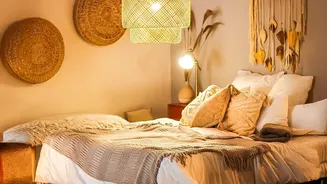
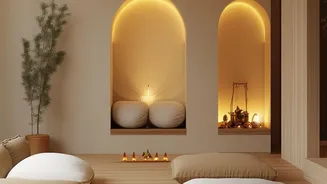
and productivity. In contrast, warm light—the soft, golden glow of a sunset or candlelight—signals our brains to relax and unwind. This warm-toned lighting, typically in the 2700K to 3000K range on the Kelvin temperature scale, is known to reduce stress, lower blood pressure, and create a comforting, intimate atmosphere. By mimicking these natural cues for rest, warm lighting helps make a space feel not just lit, but genuinely soothing and safe.
Minimalism That Feels Like a Hug
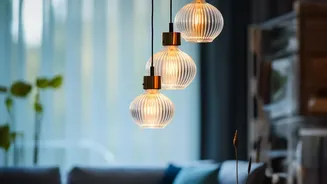
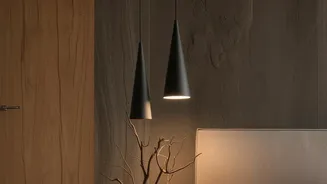
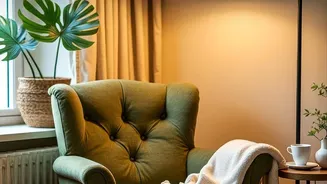
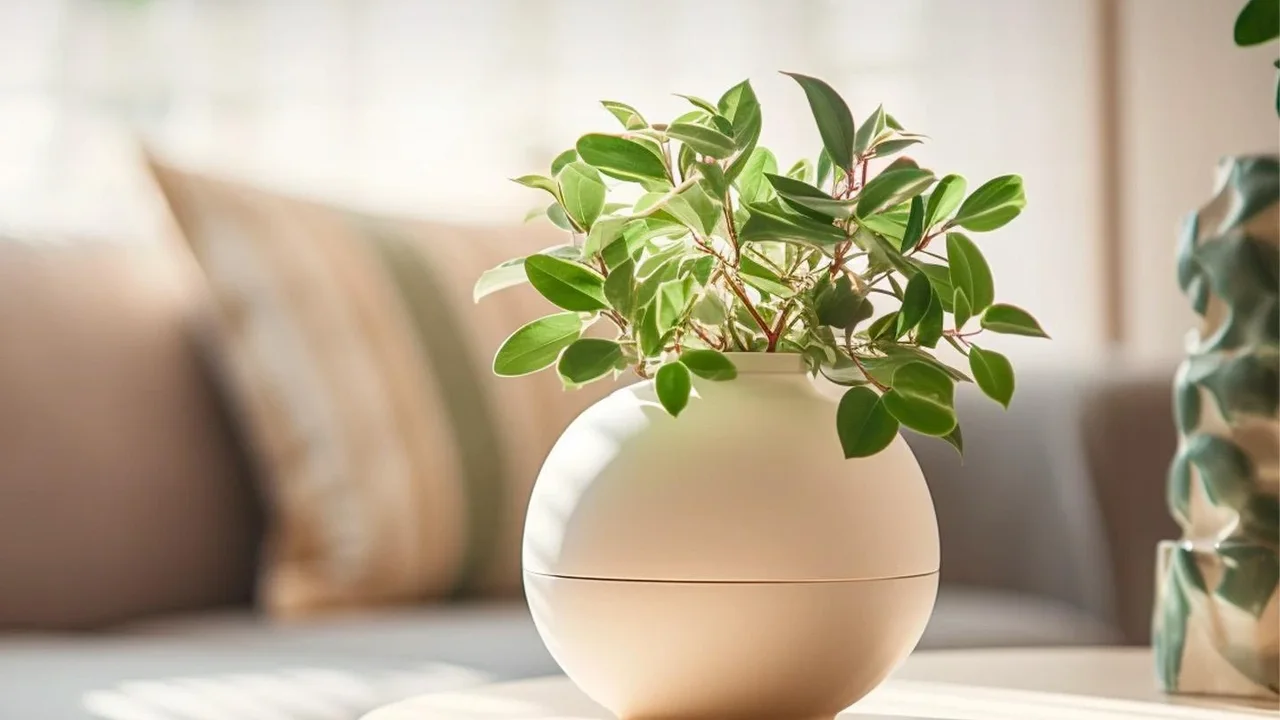
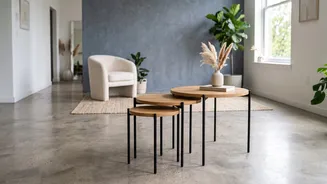
The term 'minimalism' can sometimes evoke images of cold, stark, and empty rooms. Warm minimalism, however, is different. This design philosophy blends the simplicity of minimalism—clean lines, uncluttered surfaces—with a focus on comfort and coziness. It's about intentionality rather than emptiness. The style prioritizes natural materials like wood and linen, a soft and earthy colour palette, and functional pieces that are beautiful in their simplicity. Lighting is a crucial component of this approach. Instead of harsh, single-source overhead lights, warm minimalism uses soft, diffused light to highlight textures and create an inviting ambiance. The goal isn't just to remove what's unnecessary, but to cultivate a calm, welcoming environment that feels like a personal sanctuary.
Creating the Illusion of Space
One of the biggest challenges in a small living area is making it feel open and airy rather than cramped. A single, central light fixture often creates harsh shadows in the corners, making the room feel smaller. Strategic lighting is a designer's best trick for visually expanding a space. By using multiple light sources, you can eliminate dark corners and draw the eye around the room, creating a sense of depth and dimension. Techniques like 'wall washing'—directing light onto walls—can make them seem to recede. Similarly, placing tall floor lamps in corners draws the eye upward, adding perceived height. Using space-saving fixtures like wall sconces or flush-mount ceiling lights frees up valuable floor and table space, reducing physical and visual clutter.
The Art of Layered Lighting
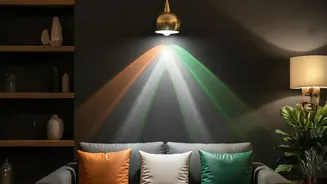
The key to a well-lit space isn't brightness, but balance. Designers achieve this by layering three types of light: ambient, task, and accent. Ambient light is the room's general illumination, the foundation that allows you to navigate the space safely. Task lighting is more focused, providing bright light for specific activities like reading or working. Accent lighting is the final, decorative layer, used to highlight architectural features, artwork, or plants, adding visual interest and drama. In a small room, a layered approach allows for incredible flexibility. You can create a bright, functional space during the day and a soft, moody atmosphere in the evening simply by using different combinations of lights. This adaptability is what turns a simple room into a dynamic and highly functional home.
Practical Tips for Your Space
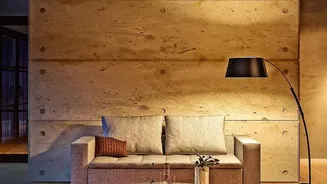
Applying these principles is easier than it sounds. Start by swapping out any single overhead fixture for one that provides softer, more diffused light. Then, add layers. A slim floor lamp can brighten a dark corner without taking up much space. Wall sconces free up tabletops while adding a sophisticated touch. When choosing bulbs, stick to a consistent warm temperature (around 2700K) to create a cohesive feel. Dimmers are a small investment that offers huge returns in mood control, allowing you to adjust brightness levels for any occasion. And don't forget mirrors; placing one opposite a window or a lamp will amplify light and make the entire room feel bigger and brighter.