





The Urban Food Maze
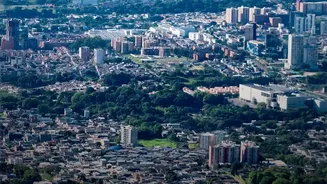
For millions of urban Indians, the quest for a healthy meal is a daily challenge. It’s not just about personal choice; it’s about a city’s design. Urban planning researchers call environments that promote poor diets and sedentary lifestyles 'obesogenic'.
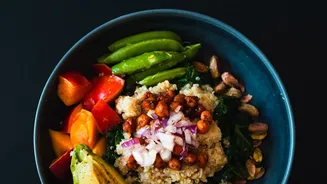
This happens when our surroundings are dominated by what experts term 'food swamps'—areas flooded with fast-food outlets and convenience stores selling processed snacks—making unhealthy options the most convenient ones. In contrast, 'food deserts' are areas with poor access to retailers offering fresh, affordable, and healthy foods like fruits, vegetables, and whole grains. Residents in these areas often depend on whatever is closest, which can lead to lower-quality diets. The result is a paradox where, in a bustling city, finding nutritious food can feel like navigating a maze with few exits.
Connecting People to Produce
Transportation is the invisible thread connecting us to our food. When cities are designed around cars, those without them—often lower-income families, the elderly, or students—are at a disadvantage. Their access to large markets or specialised grocery stores is limited by infrequent or poorly routed public transport. Imagine trying to carry a week's worth of fresh vegetables on a crowded bus. This is where smart transport design becomes a public health tool. Well-connected public transit routes that link residential areas directly to fresh food markets can make a significant difference. Creating safe, shaded footpaths and dedicated cycling lanes also empowers people to make shorter trips to local vendors on foot or by bike, promoting both physical activity and access to healthier food. Prioritising pedestrians and cyclists, as seen in cities like Copenhagen, not only reduces pollution but encourages a more active and connected community life.
Beyond the Supermarket Aisle
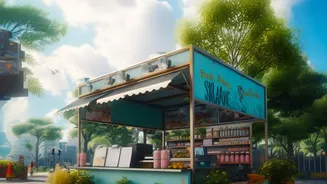
The solution isn’t only about building more supermarkets. It’s about diversifying the retail landscape. In the Indian context, this means supporting the existing ecosystem of street vendors and local 'kirana' stores, which are often the most accessible sources of food for many communities. Policies can be designed to help these small businesses stock a wider variety of fresh produce. Furthermore, land-use zoning can be a powerful tool. Municipalities can use it to limit the over-concentration of fast-food chains in certain neighbourhoods, especially around schools. They can also create incentives for new grocery stores or farmers' markets to open in underserved areas, turning food deserts into 'food oases'—places with easy access to healthy and nutritious food. Even the layout within a store can nudge shoppers toward better choices, with fresh produce placed prominently at the entrance.
Designing Healthier Neighbourhoods
A growing movement in urban planning that ties all these ideas together is the '15-minute city'. The concept is simple: design neighbourhoods where all essential services, including access to healthy food, are within a 15-minute walk or bike ride from home. This people-centric model reduces car dependency, improves air quality, and fosters stronger community ties. For this to work, it requires mixed-use development, where shops, homes, and public spaces coexist. While ambitious, this vision is guiding reforms in many cities globally. In India, there is a growing recognition that urban planning needs to integrate public health goals. Initiatives in cities like Pune and Bhubaneswar to improve walkability are early steps in this direction. The goal is to embed health into the very blueprint of the city.