




What Defines the 70s Shag?
The shag is all about texture, movement, and attitude. Its signature features are choppy layers, especially around the crown, and a feathered finish. This isn't your standard layered cut; a true shag uses disconnected layers to create volume on top while
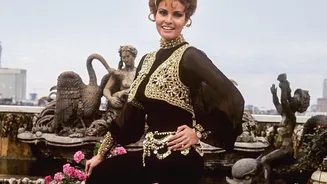
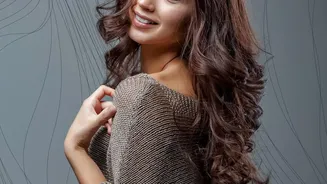
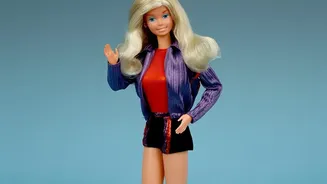
maintaining length. The 1970s version, popularised by icons like Jane Fonda and Stevie Nicks, was defined by its heavy fringe and face-framing pieces that gave it a rebellious, free-spirited feel. Adding wispy bangs softens the look, giving it a light, airy quality that highlights your facial features without feeling heavy.
The Modern Shag Revival
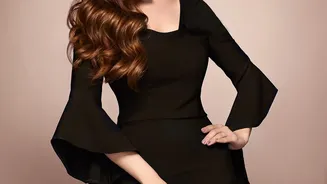
Today's shag is a softer, more refined take on the classic. While the original was unapologetically bold, the modern version is celebrated for its versatility and 'wash-and-wear' appeal. It embraces natural texture, making it a go-to style for those seeking a look that is both chic and genuinely low-maintenance. Celebrities like Taylor Swift and Dakota Johnson have adopted variations of the shag, proving its adaptability for different lengths and styles, from short bobs to long, flowing layers. The focus is on creating a lived-in, tousled look that feels intentional yet effortless.
How to Ask Your Stylist for the Cut
Communication with your stylist is key to getting the shag of your dreams. Instead of just asking for 'a shag', bring photo inspiration to show the specific texture and shape you're after. Use keywords like 'choppy layers', 'soft, wispy bangs', and 'face-framing pieces'. Discuss the amount of volume you want at the crown and how dramatic you want the layers to be. A great stylist will use techniques like razor cutting or point cutting to remove weight and create that signature textured finish. It's a cut that heavily relies on the skill of the stylist to tailor it to you.
Styling Your Shag at Home
The beauty of the shag is its low-maintenance styling. For many, simply applying a texturizing spray or sea salt spray to damp hair and letting it air-dry is enough to enhance its natural movement. If you have fine or straight hair, a dollop of mousse can add volume before you scrunch and go. For those with wavy or curly hair, a curl cream will help define your layers and prevent frizz. The goal isn't to make it perfect; it's to embrace the controlled chaos. The messier it is, the more on-trend it looks.
Is the Shag Right for You?
One of the best things about the shag is its adaptability across different hair types and face shapes. Fine hair gets a major boost in volume from the layers, while thick hair benefits from having weight removed. For round faces, longer layers that start below the chin can help create length. Square faces are softened by the wispy, feathered pieces around the jawline. Heart-shaped faces are beautifully balanced by shags that have more volume in the lower sections. Ultimately, the shag can be customized to flatter almost anyone, making it one of the most versatile cuts available.