




Check, Don’t Just Assume
The biggest monsoon myth is that you can stop watering your plants completely. While it’s true that nature provides a lot of moisture, it’s rarely consistent or targeted. A light drizzle might barely penetrate the topsoil, leaving the roots dry. Conversely,
a heavy downpour might seem like enough, but plants under dense canopies, on covered balconies, or near walls might receive almost no water at all. The golden rule of monsoon gardening is to move from a fixed schedule to a needs-based one. Your job is no longer to be the primary water source, but to be the observant manager who steps in only when necessary.
Master the Soil-Touch Test
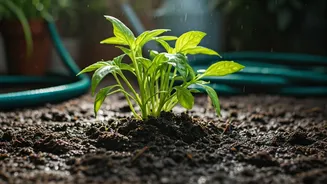
Forget fancy gadgets. Your most reliable tool for checking soil moisture is your finger. For potted plants, insert your index finger about two inches deep into the soil. If it comes out clean and dry, it’s time to water. If it comes out with moist soil sticking to it, hold off. The soil should feel cool and slightly damp, not soggy or bone-dry. For plants in the ground, you may need to dig a little deeper, especially for larger shrubs. This simple, tactile check prevents the number one killer of monsoon plants: overwatering. It takes the guesswork out of the equation and connects you directly to what your plant is experiencing.
Prioritise Perfect Drainage
During the monsoon, good drainage isn't just a recommendation; it's a lifeline. When soil becomes waterlogged, it cuts off oxygen to the roots, leading to the dreaded root rot. Before the season begins, ensure all your pots have unobstructed drainage holes. If a pot is sitting directly on the ground, elevate it slightly using pot feet, bricks, or even bottle caps. This allows excess water to escape freely and prevents the pot from sitting in a puddle. Check saucers and trays daily and empty any collected water. If you notice your soil is staying soggy for days after a rain, consider repotting with a chunkier potting mix that includes perlite, sand, or coco chips to improve aeration.
Water the Base, Not the Foliage
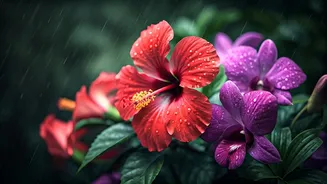
The high humidity of the monsoon creates a perfect breeding ground for fungal and bacterial diseases like powdery mildew and black spot. When you water, aim the spout of your watering can directly at the soil around the base of the plant. Avoid splashing water all over the leaves. Wet foliage that stays damp for long periods is an open invitation for pathogens to take hold. By watering the soil directly, you deliver moisture right where it's needed—to the roots—while keeping the leaves dry and less susceptible to disease. This is especially critical for susceptible plants like roses, tomatoes, and hibiscus.
Time Your Watering Wisely
When you do need to water, timing is everything. The best time to water your plants during the monsoon is early in the morning. This gives the plant ample time to absorb the moisture before the day heats up, and it allows any excess water on the leaves or soil surface to evaporate with the morning sun. Watering in the evening is less ideal, as the cooler temperatures and lack of sun mean the foliage and soil surface will stay wet overnight, increasing the risk of fungal growth. If your plant is showing signs of wilting in the afternoon, it’s better to give it a small drink then than to let it suffer, but morning watering should be your default.
Learn to Read the Leaves
Your plants will tell you what they need; you just have to learn their language. Confusingly, the signs of overwatering and underwatering can look similar. Yellowing leaves, for instance, can indicate both. The key difference is texture. Leaves yellowed from overwatering are often soft, limp, and may fall off easily. The soil will likely be soggy. In contrast, leaves yellowed from underwatering are typically dry, crispy, and brittle. Drooping or wilting can also be a sign of either extreme. Always confirm with the soil-touch test before you react. A drooping plant in wet soil is screaming “too much water!” while a drooping plant in dry soil needs a drink immediately.