





The Undeniable Allure of the Instant Refresh
The appeal of the hardware refresh is no mystery. In a world of costly and time-consuming renovations, the ability to transform the look of a room in an afternoon with just a screwdriver is incredibly tempting. It’s the ultimate design gratification on a budget.
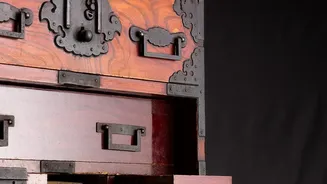
Interior designers often refer to hardware as the 'jewelry of the home'—the final touch that pulls a look together. For a relatively small investment, you can swap out dated, builder-grade knobs for something that reflects current trends, like the warm, golden hues of brushed brass or the sleek, modern feel of matte black. It’s a low-risk, high-impact change that promises a fresh look without the commitment of a full remodel, which explains its viral popularity.
When Ornament Is Not the Answer
Herein lies the problem: hardware is a finishing touch, not a foundational element. The trend’s biggest pitfall is its promise to 'fix' a room that may have deeper, more fundamental issues. Putting a beautiful, expensive new pull on a drawer that sticks, or a stylish knob on a cabinet door that is peeling and warped, doesn't solve the problem; it often just highlights it. If your kitchen layout is dysfunctional, your countertops are damaged, or your cabinets are of poor quality and nearing the end of their life, new hardware is like putting lipstick on a pig. The eye is drawn to the shiny new object, and in the process, the flaws it’s attached to become even more obvious. Before you invest in new hardware, you have to honestly assess the condition of the canvas.
The Hierarchy of an Effective Update
A more thoughtful approach involves a 'hierarchy of updates'. Before you even think about pulls and knobs, consider the bigger picture. Is the room functional? A fresh coat of paint on the walls or even the cabinets themselves will almost always deliver a more dramatic and cohesive transformation than hardware alone. What about lighting? An outdated fixture can make an entire room feel drab, while a new one can change the mood entirely. Even a thorough decluttering and reorganization can make a space feel brand new. Hardware should be the final step, the perfect punctuation on an already well-written sentence. When you address the foundational elements first, the final hardware selection feels purposeful and truly completes the vision.
When the Quick Fix Actually Works
This isn't to say that a hardware-only refresh is always a bad idea. There are specific scenarios where it is the perfect solution. If your cabinets are in excellent condition—structurally sound, with a good finish and a functional layout—but the hardware simply doesn't match your style, then by all means, swap it out. Perhaps you have solid wood cabinets that you love, but they're saddled with dated brass from another era. In this case, changing the hardware to a finish that complements your other fixtures and appliances can be a brilliant and effective move. It's also a great strategy for renters who want to personalize a space without making permanent changes. The key is that the underlying cabinetry is already strong enough to support the style upgrade.