




Why 'Too Much Water' Is a Problem
We think of water as life for plants, but it's only half the story. Plant roots need oxygen to function, which they absorb from tiny air pockets in the soil. When you overwater, these pockets become filled with water, effectively suffocating the roots.
This waterlogged, oxygen-deprived environment is the perfect breeding ground for fungi and bacteria that cause root rot. The plant's support system begins to decay from below, unable to absorb nutrients or water, even though it's sitting in a swamp.
Spotting the Danger Signs
The cruel irony of overwatering is that its symptoms often look like underwatering. You might see yellowing leaves, especially the lower ones. The plant may look wilted and sad, even when the soil feels damp. This often tricks well-meaning gardeners into watering even more, accelerating the plant's demise. Other tell-tale signs include stunted growth, leaf drop, or a musty, sour smell coming from the soil. If your plant looks sick but the soil is wet, suspect waterlogged roots before reaching for the watering can again.
Drainage Is Non-Negotiable
Here is the single most important rule of container gardening: your pot must have drainage holes. No exceptions. Without an exit route, excess water has nowhere to go. It pools at the bottom of the pot, creating a swamp where roots are guaranteed to rot. Before you plant anything, turn the pot over and ensure it has at least one, and preferably several, holes. If you fall in love with a decorative pot that has no holes, use it as a cachepot—a decorative outer pot—and keep your plant in a functional plastic pot with drainage inside it.
The Myth of Gravel at the Bottom
For years, a common piece of advice was to add a layer of gravel or broken pottery to the bottom of a pot to 'improve drainage'. We now know this is a myth that actually makes things worse. This layer doesn't help water drain faster; instead, it creates a 'perched water table'. This means the water sits suspended above the gravel layer, raising the waterlogged zone and bringing it closer to the plant's main root ball. Stick to a uniform, high-quality potting mix from top to bottom for the best results.
Use the Right Potting Mix
Garden soil is too heavy and dense for containers. It compacts easily, squeezing out air pockets and holding far too much water. For a thriving balcony garden, you must use a dedicated potting mix. These mixes are specially formulated to be light and airy, balancing water retention with excellent drainage. Look for mixes containing ingredients like perlite (little white specks), vermiculite, or coco coir. These components help create the perfect structure for healthy root growth, allowing water to flow through while retaining enough moisture for the plant.
How to Water Wisely
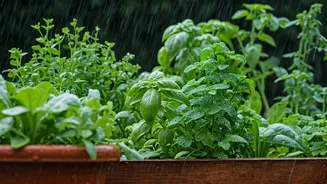
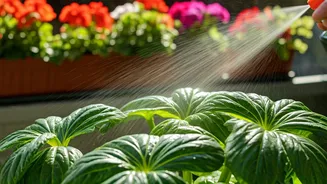
Ditch the rigid watering schedule and learn to listen to your plants. The best tool for the job is your finger. Stick your index finger about two inches into the soil. If it feels dry at that depth, it's time to water. If it's still moist, wait another day or two and check again. When you do water, do it thoroughly. Pour water evenly over the soil surface until it flows freely from the drainage holes at the bottom. This ensures the entire root ball is hydrated and flushes out any salt buildup. Then, allow the pot to drain completely before placing it back in its saucer.
Rescue Mission for a Drowning Plant
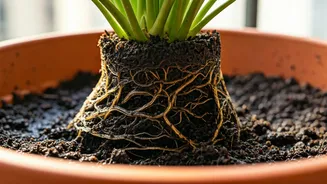
If you suspect root rot, you need to act fast. Gently slide the plant out of its pot and inspect the roots. Healthy roots are typically white or light-coloured and firm. Rotted roots will be brown or black, mushy, and may even smell foul. Using a clean pair of scissors or pruners, trim away every single soft, discoloured root. Be ruthless. Then, repot the plant in a clean pot with fresh, well-draining potting mix. Water it lightly and place it in a spot with indirect sunlight to recover. With a bit of luck and care, you can give your plant a second chance.