

An Undiscovered Himalayan Hamlet
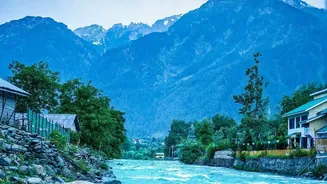
Nestled quietly in Himachal Pradesh's Seraj Valley, Shoja is a small village that has gracefully remained off the mainstream tourist radar. Unlike the bustling streets of Shimla or Manali, Shoja offers a slice of the Himalayas that is raw, tranquil, and
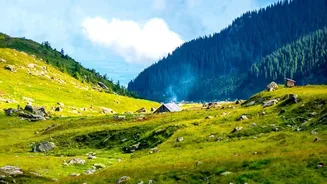
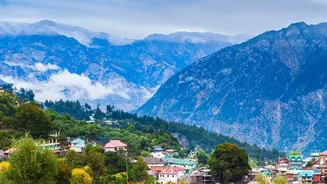
refreshingly authentic. Located at an altitude of over 8,000 feet, this quaint destination is enveloped by dense deodar and oak forests, serving as a gateway to the Great Himalayan National Park. Its charm lies not in a long list of attractions, but in its simplicity and the profound sense of peace it offers. It's a place for slow travel, where the agenda is set by sunrise, sunset, and the desire to connect with nature.
Gateway to Breathtaking Treks and Views
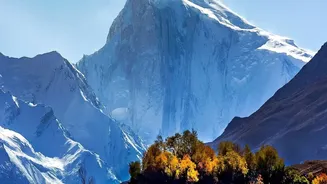
Shoja's primary allure is its role as a base for some of the most scenic and accessible treks in the region. The most famous of these is the journey to Jalori Pass, a high-altitude pass sitting at over 10,000 feet. From the pass, two distinct and equally rewarding trails beckon. A gentle, 5-kilometre forested walk leads to the mystical Serolsar Lake, a crystal-clear body of water believed to be protected by a local deity, Budhi Nagin. In the opposite direction, a slightly steeper 3-kilometre trek takes you to the ruins of Raghupur Fort. While little of the fort remains, the summit rewards climbers with an incredible 360-degree panoramic view of the surrounding Himalayan ranges, a sight that makes every step worthwhile.
The Unspoiled Charm of Slow Travel
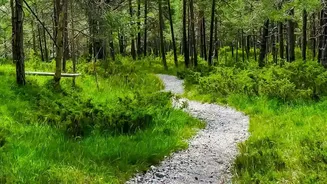
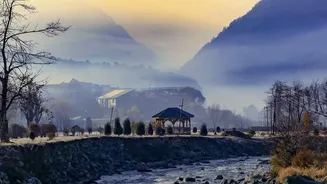
What truly sets Shoja apart is what it lacks: the commercial frenzy of its more famous counterparts. Here, you won't find sprawling market streets or a cacophony of tourist activities. Instead, you'll discover charming wooden temples, quiet nature trails that invite you to wander, and viewpoints that offer solitude along with spectacular vistas. Accommodations are typically cozy homestays and guesthouses where you can experience warm Himachali hospitality and savour local dishes like Siddu. It’s an environment that encourages you to disconnect from the digital world and reconnect with your surroundings, whether by birdwatching, stargazing, or simply enjoying a cup of tea on a balcony with mountain views.
Planning Your Tranquil Escape
Reaching Shoja is part of the adventure. The most common route is by road from Delhi or Chandigarh. Travellers typically take an overnight bus to Aut, located on the main Kullu-Manali highway, and then hire a local taxi for the final scenic drive through the Banjar Valley to Shoja. The nearest airport is in Bhuntar (Kullu), about a two to three-hour drive away. The best time to visit is from April to June when the weather is pleasant and the landscape is blooming. Another excellent window is from September to November for clear skies post-monsoon. Winters bring heavy snowfall, often closing Jalori Pass but transforming the village into a serene white paradise for the truly adventurous.