

From Heirloom to Everyday Staple
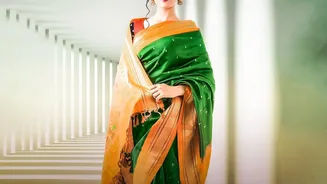
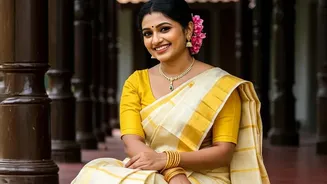
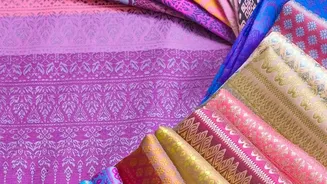
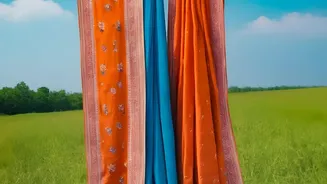
For generations, exquisite Banarasi silks and intricate Kanjeevarams were reserved for weddings and major festivals, carefully stored away after each use. The current handloom revival is challenging this norm. The central idea is no longer just about
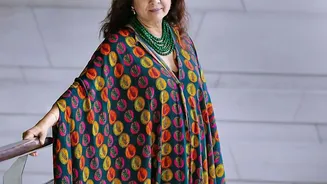
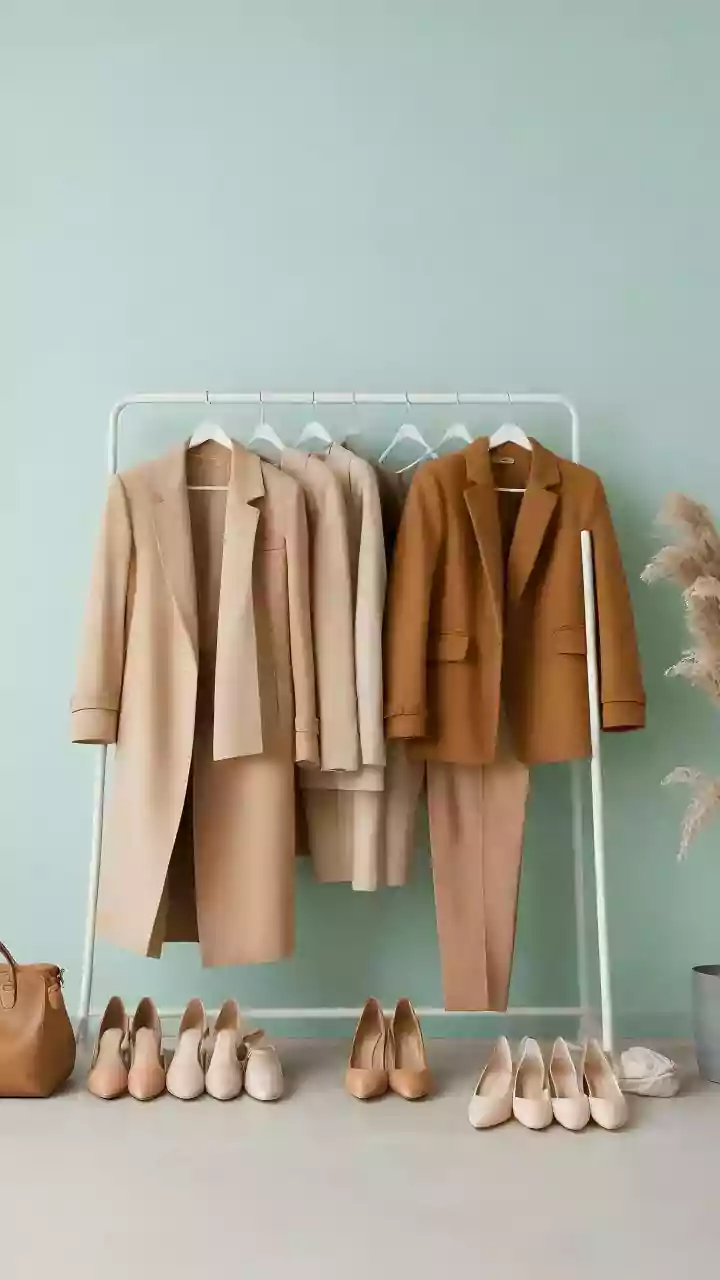
preservation but about integration. Designers and consumers alike are asking a new question: why can't a beautiful, hand-woven fabric be part of our daily lives? This shift is moving handloom from the ceremonial trunk to the everyday closet. The focus is on wearability, pairing heritage weaves with contemporary silhouettes like jackets, dresses, and co-ord sets that feel relevant and easy to wear. It's about making handloom fashionable and effortless, not just something for special events.
The New Vanguard of Design
A new generation of designers is at the forefront of this movement, acting as crucial bridges between weavers and modern consumers. Labels like Ekaya Banaras are making weaves relevant for those who want to wear handloom beyond their wedding day, experimenting with playful prints and sculptural jackets. Others, like Priya Agarwal, work directly with weaving clusters in Karnataka to produce garments with sharp, modern cuts. These designers are not diluting the craft; they are re-contextualizing it. By collaborating with artisans, they introduce contemporary colour palettes, minimalist detailing, and silhouettes like streetwear jackets or relaxed-fit separates. The result is fashion that feels rooted in heritage but speaks a modern design language, proving handloom can be as fashion-forward as it is timeless.
The Gen Z Effect: Conscious Choices and Digital Storytelling
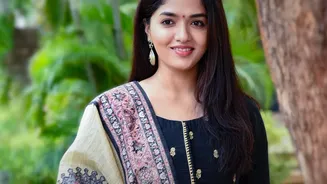
This revival is being powerfully driven by younger consumers. Gen Z and millennials are increasingly rejecting the uniformity of fast fashion, seeking authenticity, sustainability, and a personal connection to their clothes. For them, a handloom piece isn't just an item of clothing; it's a story of craftsmanship, ethical production, and cultural identity. This generation is embracing handloom on its own terms, styling a Jamdani saree with combat boots or an Ajrakh stole over a simple shirt. Social media has become a key platform for this expression, where influencers and individuals share how they incorporate their grandmothers' sarees into modern looks, pairing them with sneakers, crop tops, or belts. This digital-savvy approach makes heritage cool, accessible, and deeply personal.
Styling as a Statement
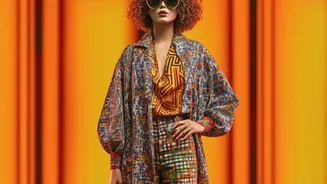
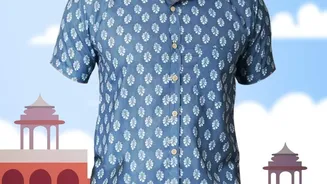
The new styling philosophy is all about mixing, not matching. It’s about creating a look that balances traditional elements with modern basics. A handloom kurta might be paired with jeans, a luxurious Banarasi silk with a crisp white shirt, or an Ikat jacket thrown over a simple dress. The idea is to let one handcrafted piece be the hero of the outfit. This approach makes handloom less intimidating and more versatile. It's no longer about recreating a complete traditional ensemble but about incorporating a piece of art into a contemporary look. This versatility is key, allowing the same textile to be dressed down for the office or styled up for a formal event.
A Delicate Balance
Despite the positive momentum, the path of revival is complex. The handloom sector faces significant challenges, including competition from cheaper power-loom products, rising costs of raw materials, and ensuring fair wages for weavers who often earn very little. According to the 4th All India Handloom Census, a large percentage of weaver households have distressingly low incomes. Therefore, the new styling idea must be more than a fleeting trend. It must be rooted in a sustainable ecosystem that provides weavers with fair compensation and respect. The future of handloom depends on this delicate balance: celebrating the craft through modern style while ensuring the economic viability and dignity of the artisans who are its heart and soul.