


Let’s Settle This: Is It True?
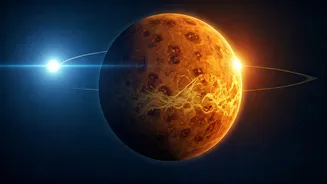
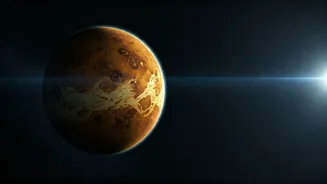
Yes, it’s absolutely true. If you were standing on the surface of Venus, the planet would take longer to complete one full rotation on its axis (a day) than it would to complete one full orbit around the Sun (a year). It's one of the strangest features
in our entire solar system and a perfect example of how wonderfully bizarre other planets can be when compared to our familiar Earth. This isn’t just a fun bit of trivia; it’s a key piece of the puzzle that makes Venus such a fascinating and extreme world.
How We Define a Day and a Year
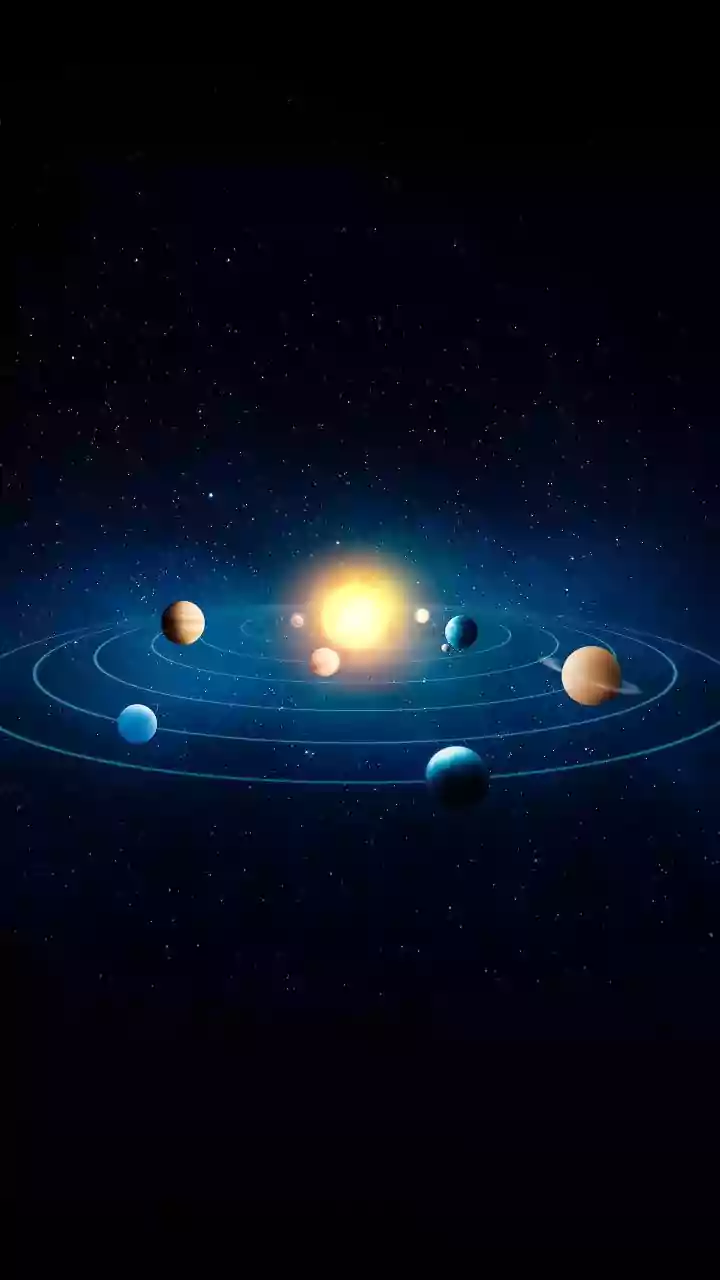
Before we dive into the numbers, let's quickly clarify what we mean. A 'year' is the time it takes for a planet to make one complete trip around the Sun. For Earth, that’s roughly 365 days. A 'day' is the time it takes for a planet to spin once on its own axis. For Earth, that’s about 24 hours. These two motions—orbiting and spinning—are independent of each other, and on most planets, the spin is much, much faster than the orbit, resulting in many days within a single year. But Venus, our celestial neighbour, decided to do things differently.
Venus by the Numbers
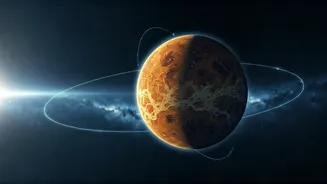
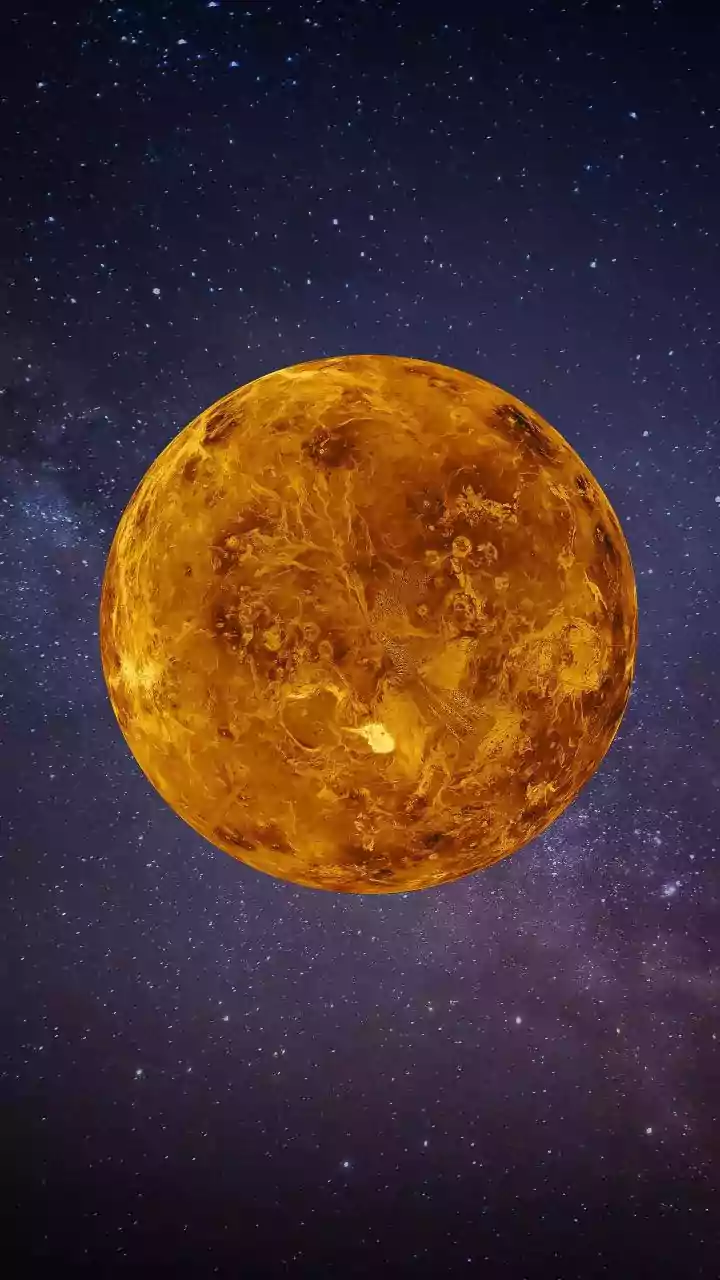
Here's where the maths gets fun. It takes Venus about 225 Earth days to complete one orbit around the Sun. So, one year on Venus is 225 Earth days long. However, Venus rotates on its axis incredibly slowly. It takes a staggering 243 Earth days for Venus to complete just one rotation. So, you have a year that lasts 225 Earth days and a day that lasts 243 Earth days. The day is indeed longer than the year. If you were born on Venus, you’d celebrate your first birthday before you even got through your first day.
The Slow, Backward Spin
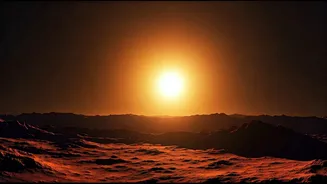
Not only is Venus’s rotation painfully slow, but it’s also backward. Every other planet in our solar system (except for Uranus, which spins on its side) rotates counter-clockwise on its axis. Venus spins clockwise, a phenomenon known as retrograde rotation. This means if you could somehow survive on the surface of Venus, you’d see the Sun rise in the west and set in the east. Scientists are still debating why Venus spins this way. One leading theory is that it was struck by a massive asteroid or other celestial body early in its history, which reversed its original spin. Another theory suggests that the planet's thick, heavy atmosphere created a tidal drag that gradually slowed and then reversed its rotation over billions of years.
A Wrinkle: What About Sunrise to Sunrise?
To add another layer of weirdness, the time from one sunrise to the next on Venus—what we call a 'solar day'—is different from its rotational period. Because the planet is rotating backward while it orbits the Sun, the length of a solar day is actually shorter than its full 243-day rotation. The math works out so that a solar day on Venus is about 117 Earth days long. This means you’d experience roughly two sunrises and sunsets in a single Venusian year. It's a confusing but fascinating consequence of its unique cosmic dance.