






The Protein Puzzle: Why It Matters
Protein is essential for everyone, but for those with an active lifestyle, it’s the cornerstone of performance and recovery. Proteins are made of building blocks called amino acids. When you exercise, you create tiny tears in your muscle fibres; it's
the job of these amino acids to repair that damage, making your muscles stronger. There are nine essential amino acids that our bodies can't produce on their own, meaning we must get them from our food. Animal products like meat, eggs, and dairy are considered 'complete' proteins because they contain all nine in sufficient amounts. This is where vegetarians, especially active ones, need to be a little more strategic.
The Myth of 'Incomplete' Plant Protein
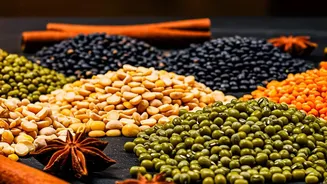
For years, a common concern about vegetarian diets was the idea of 'incomplete' proteins. Most plant foods, while rich in protein, are often low in one or two of these essential amino acids. However, the idea that plant-based diets are inherently deficient is misleading. Grains, for example, tend to be low in an amino acid called lysine. Legumes like lentils, chickpeas, and beans are typically low in another one, methionine. This doesn't make them inferior; it just means they are specialists. The key isn't to find a single plant food that does it all, but to combine foods so their strengths cover each other's weaknesses. This simple yet powerful strategy is known as protein complementation.
Your Plate: A Perfect Protein Partnership
This is where the magic of combining whole grains and legumes comes in. When you pair a grain (low in lysine, high in methionine) with a legume (high in lysine, low in methionine), you create a meal with a full essential amino acid profile. The best part? Indian cuisine has been doing this instinctively for centuries. Think about our most beloved comfort foods: Dal with rice is a classic example. The lentils (dal) provide the lysine that rice lacks, and the rice provides the methionine that lentils lack. The same principle applies to countless other traditional dishes. Rajma with rice, roti with chole, and khichdi are all perfect examples of creating a complete protein powerhouse on your plate. Even South Indian staples like dosa or idli served with sambar are based on this principle, using a fermented batter of rice and urad dal.
Do You Need to Eat Them in the Same Meal?
An old belief suggested that you had to eat complementary proteins in the same meal for your body to use them properly. However, modern nutritional science has shown this to be untrue. Your body is smart enough to maintain a pool of amino acids throughout the day. This means as long as you eat a variety of plant protein sources over the course of the day—for instance, grains for breakfast and legumes for dinner—your body can pull what it needs to build complete proteins. This takes the pressure off planning every single meal perfectly and allows for more flexibility in your diet, so long as you ensure your daily intake is varied and sufficient.
Beyond Grains and Legumes
While the grain-and-legume combination is a reliable foundation, the vegetarian world offers other fantastic protein sources. Some plant foods are naturally complete proteins on their own. Soy products like tofu, tempeh, and edamame are excellent examples, containing all nine essential amino acids. Quinoa, an ancient grain that has become widely available, is another complete protein source. Other foods like buckwheat (kuttu) and amaranth also offer a complete amino acid profile. For those who include dairy, paneer and curd are also excellent complete protein sources. Integrating these foods alongside your grain and legume pairings ensures a robust and varied diet that can easily support the demands of an active lifestyle.