







Start Before You Book
Your research should begin long before you enter any credit card details. While booking sites use tags like 'accessible', these labels can be misleading and lack detail. Look for hotels that provide specific accessibility information on their own websites.
Scrutinise guest photos, not just the hotel's professional shots, paying close attention to routes from the entrance to the lifts and into the rooms. Look for unmentioned steps, narrow-looking corridors, or thick carpets that can make pulling a stroller or a suitcase a real workout. Reading recent reviews from other families can also provide invaluable, real-world insights that a simple amenities list will never capture. Search reviews for keywords like 'stroller', 'lift', 'steps', and 'ramp' to get a clearer picture.
The Crucial Phone Call
Never underestimate the power of a direct phone call to the property itself. This is your chance to get specific answers that booking sites don't provide. Instead of asking 'Is the hotel accessible?', ask targeted questions. A good starting point is: 'Is there a step-free route from the main entrance to the lift and then to all public areas like the restaurant and pool?' This single question can reveal a lot. A hotel might have an accessible entrance, but interior steps could block access to the breakfast room. Don't be afraid to ask for measurements. Questions like 'How wide is the lift door?' and 'Is the lift large enough for a stroller and luggage?' are perfectly reasonable. A truly accessible hotel will be prepared for these queries.
Evaluating Lift and Lobby Access
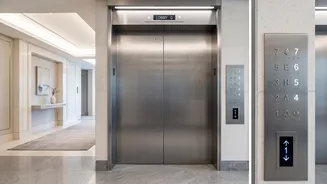
The lift is the lifeline of a multi-storey hotel for a family on the move. Confirm that it services every floor you might need to access. It’s not uncommon for charming, older hotels to have lifts that don't go to the top floor or stop short of the breakfast room. Ask about the lift's reliability and what the hotel's plan is if it goes out of service. An accessible room on the fourth floor becomes a prison the moment the lift is under maintenance. Also, consider the entire journey from the car park or drop-off point. Is there a clear, smooth path to the front desk? Are the main doors automatic or heavy and manual? A step-free entrance is great, but not if it's followed by a cluttered lobby with no clear path to the elevators.
Beyond the Lift: Public Spaces
True family-friendly accessibility extends to all the shared spaces you'll be using. Before booking, confirm there is step-free access to amenities like the swimming pool and any onsite restaurants or play areas. Many beautiful hotels feature pools surrounded by steps or restaurants located on a mezzanine level without a lift. Ask if hallways are wide and kept clear of housekeeping trolleys, which can be a major obstruction when you have a stroller or small children in tow. An accessible public washroom on the ground floor is another critical feature, saving you a trip back to your room every time a child has an emergency.
Inspecting the Room Itself
Once you've confirmed the building's accessibility, turn your attention to the room. For families, space is a primary concern. Ask if there's enough clear floor space for a travel cot or to park a stroller without creating a trip hazard. The layout matters. Are there internal steps in a suite? How wide are the doorways to the bathroom and any balconies? Also consider the bed height, which can be important for co sleeping with little ones or for older relatives with mobility challenges. Getting written confirmation via email of the specific accessible features you require is a vital final step. This email serves as your proof if the room you're given upon arrival doesn't match what was promised.