





The Engine Room of Your Cells
Think of your body’s metabolism as a vast and complex factory. The food you eat provides the raw materials, but to turn those materials into usable energy, the factory needs workers and machinery. Enzymes are the workers, performing countless chemical
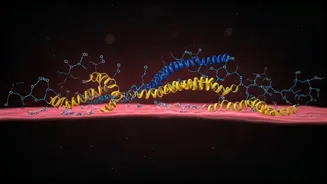
reactions. But many enzymes can't work alone; they need 'helpers' called co-enzymes. These molecules are essential for metabolic processes, acting like spark plugs that ignite the conversion of carbohydrates, fats, and proteins into adenosine triphosphate (ATP), the energy currency of every cell. Without adequate co-enzymes, this entire energy-production line can slow down, leading to subtle yet significant disruptions in how your body functions.
The Vegetarian Co-Enzyme Gap
While a plant-based diet is rich in many nutrients, some co-enzymes and related compounds are found in much higher concentrations in animal products. This doesn't automatically mean deficiency, but it does require more awareness. Key players to watch include Coenzyme Q10 (CoQ10), L-carnitine, and certain B vitamins. For instance, CoQ10, a powerful antioxidant vital for mitochondrial energy production, is most abundant in organ meats and oily fish. Similarly, L-carnitine, which transports fatty acids into the mitochondria to be burned for fuel, is found predominantly in red meat. Studies have shown that vegetarians and vegans tend to have lower plasma concentrations of both CoQ10 and carnitine compared to omnivores.
Vitamin B12: The Essential Co-Enzyme
Among the most critical co-enzymes for vegetarians to monitor is Vitamin B12. It is fundamentally involved in cell metabolism, red blood cell formation, and maintaining neurological health. Unlike other nutrients, B12 is almost exclusively found in animal products, making deficiency a significant risk for those on strict vegetarian or vegan diets. A shortfall can interfere with energy metabolism and lead to fatigue and other serious health issues. Because plant-based foods are not a reliable source of active B12, fortified foods and supplementation are often necessary to bridge this crucial gap.
The Quiet Signs of Disruption
The disruption caused by a lack of these co-enzymes is often 'quiet,' meaning the symptoms can be vague and easily attributed to other aspects of a busy life. Persistent fatigue, a feeling of sluggishness, reduced exercise capacity, and even brain fog can be signs that your cellular energy production isn't as efficient as it could be. Because the body is resourceful, it can compensate for a while. For example, it can produce some carnitine on its own and may conserve its stores when dietary intake is low. However, over time, these lower levels can put a strain on the metabolic system, impacting everything from muscle function to cardiovascular health.
Bridging the Gap with Plant-Based Foods
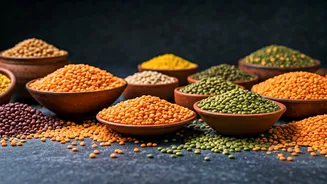
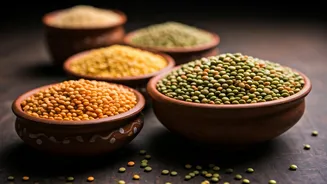
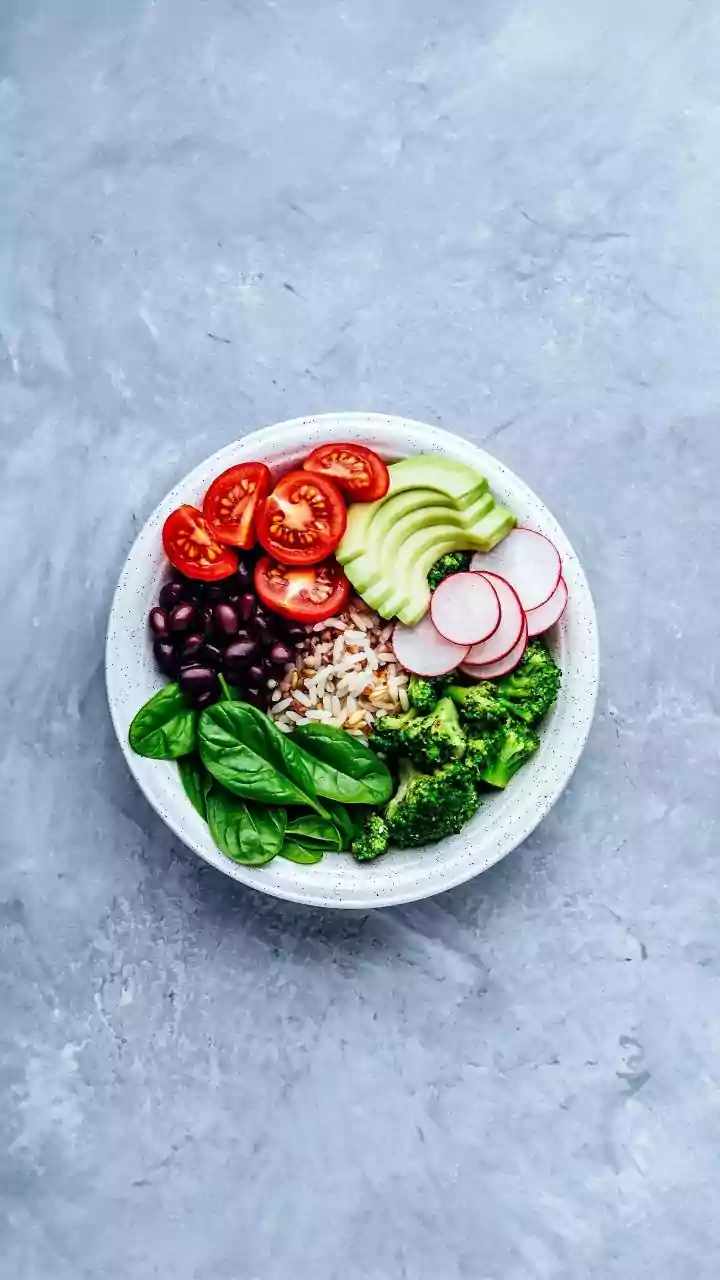
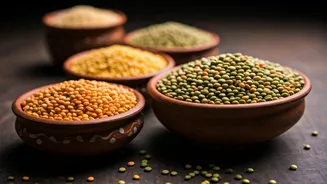
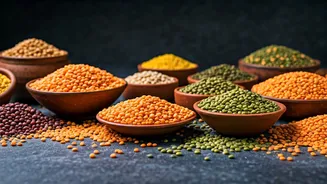
The great news is that a well-planned vegetarian diet can support your metabolic needs. For CoQ10, good plant sources include pistachios, sesame seeds, soybeans, lentils, spinach, and broccoli. Your body can also synthesize L-carnitine from the amino acids lysine and methionine. Ensure you're eating a variety of plant proteins to get a complete amino acid profile, including legumes like chickpeas and lentils, nuts, seeds, and whole grains. For B vitamins, whole grains, legumes, nuts, seeds, and nutritional yeast are excellent sources. Paying attention to including these foods regularly can help ensure your metabolic machinery has the co-factors it needs to run smoothly.