




What Exactly Is Climate Heritage?
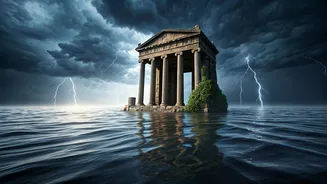
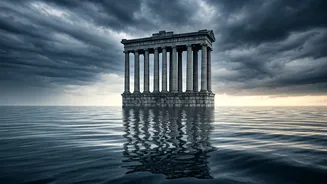
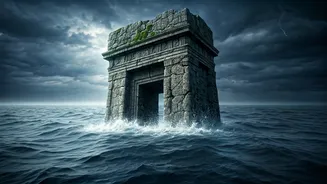
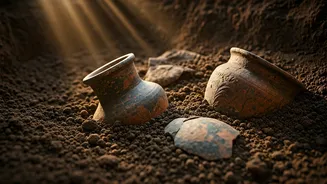
At its core, 'Climate Heritage' refers to the intersection of climate change and the preservation of our cultural legacy. It’s a field that acknowledges that climate change doesn't just threaten our future, but also our past. This includes tangible heritage
like monuments, archaeological sites, and historic buildings, as well as intangible heritage—the traditions, knowledge systems, and languages that define communities. The Climate Heritage Network, a global coalition of over 250 organisations, was launched in 2019 to mobilise cultural institutions and experts to tackle this growing crisis and integrate cultural concerns into climate policy.
Why Has It 'Entered the Chat' Now?
The phrase has gained traction because the threat is no longer theoretical; it's happening now. Organisations like the International Council on Monuments and Sites (ICOMOS) and UNESCO have declared a climate and ecological emergency, highlighting that climate change is one of the most significant and rapidly growing threats to the world's cultural and natural heritage. A recent UNESCO report noted that climate-related hazards at its designated sites have surged by 40% in just a decade. With every flood, cyclone, and heatwave, the damage to our collective history becomes more apparent and severe, forcing the heritage sector to join the climate conversation with unprecedented urgency.
India's Treasures on the Frontline
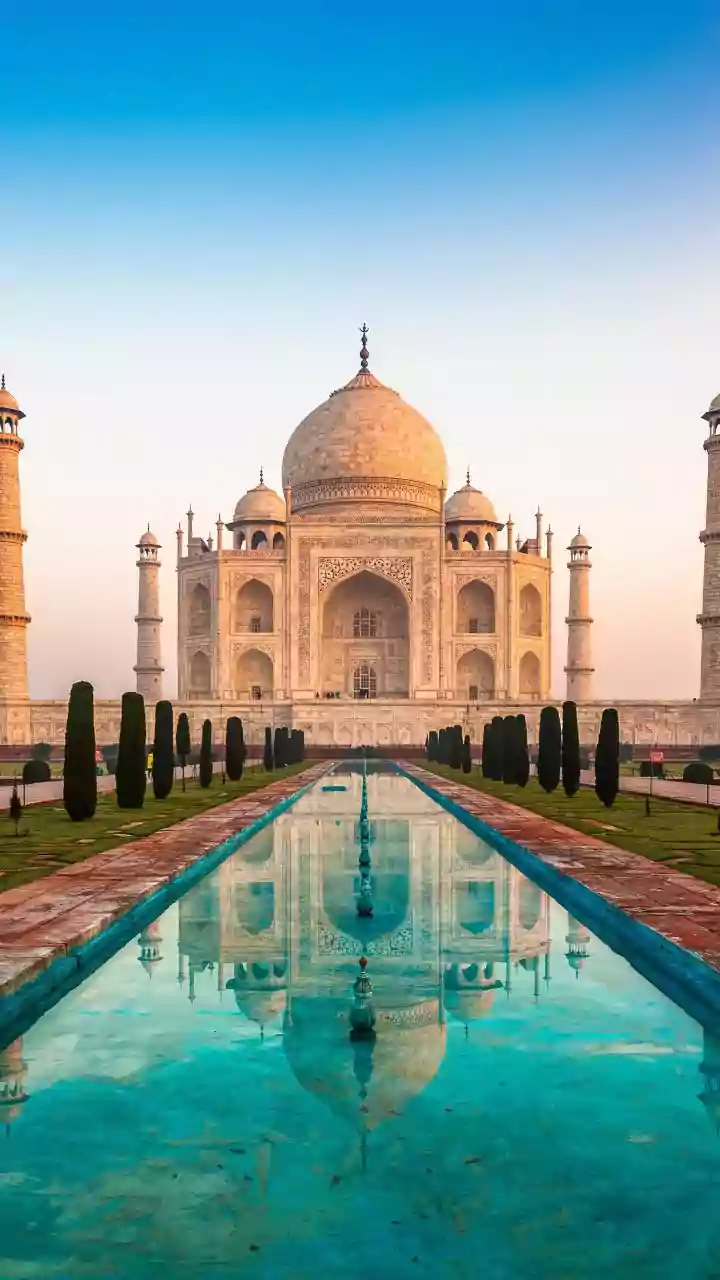
For India, with its 43 UNESCO World Heritage Sites and countless other cultural treasures, the stakes are incredibly high. Coastal monuments are particularly vulnerable. The Shore Temple at Mahabalipuram, the Sun Temple at Konark, and the historic churches and convents of Goa are all threatened by rising sea levels and coastal erosion. In recent years, extreme rainfall has caused damage to the Taj Mahal and led to the collapse of a wall at the 12th-century Jaisalmer Fort. Meanwhile, increased humidity and storms endanger the ancient murals and carvings at sites like the Ajanta Caves and Khajuraho. Even the Himalayas are not immune, with the 1,000-year-old Tabo Monastery in Spiti facing damage from erratic rainfall in a fragile desert ecosystem.
More Than Bricks and Mortar
The concept of Climate Heritage extends beyond physical structures. It encompasses the 'living heritage' that is deeply connected to specific environments. A telling example is the Saura tribe in Odisha. For centuries, they relied on the Mahendragiri hills for medicinal plants, a practice central to their culture and health. After Cyclone Titli devastated the region and forced relocation, the community lost access to these plants, leading to an erosion of their traditional knowledge and cultural identity. This illustrates a profound loss: when an ecosystem is damaged, the culture that co-evolved with it also suffers, severing a link to generations of accumulated wisdom.
A Race Against Time
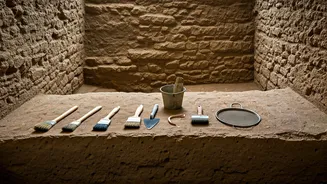
Responding to this crisis requires a two-pronged approach: mitigating the risks and adapting to the changes. In India, the Archaeological Survey of India (ASI) has started using climate-resilient preservation techniques and has installed automated weather stations at several monuments to monitor environmental conditions. But conservation is not just about building walls or applying chemical treatments. It also involves learning from the past. For instance, researchers are studying ancient water infrastructure in places like Jodhpur to inform modern water conservation and heat mitigation strategies. Where physical preservation is impossible, digital documentation—creating detailed 3D models and archives—becomes a vital tool to record our heritage for future generations before it's lost forever.