





The Pose That Sparked a Conversation
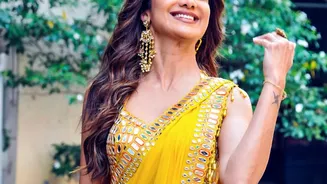
Shilpa Shetty is renowned for her dedication to fitness, often sharing motivational posts that encourage a healthy lifestyle. Recently, she demonstrated Gupta Padmasana, also known as the Hidden Lotus Pose. This is not your everyday yoga stretch; it's
an advanced posture that combines deep flexibility with strength and control. In a video, she gracefully folds into the classic Lotus leg position, then leans forward to rest her torso on the ground, all while binding her hands behind her back. While her execution appears effortless, the pose is a testament to years of dedicated practice and highlights the incredible capabilities of the human body when trained consistently. However, it also serves as a critical reminder that such advanced postures are aspirational and not accessible to everyone.
What is Baddha or Gupta Padmasana?
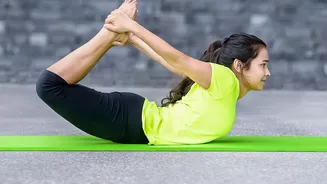
The pose has a few names, most commonly Baddha Padmasana (Bound Lotus Pose) or Gupta Padmasana (Hidden Lotus Pose). 'Baddha' in Sanskrit means 'bound', and 'Padma' means 'lotus'. The asana starts with Padmasana (Lotus Pose), where each foot is placed high on the opposite thigh. From there, the practitioner crosses their arms behind their back to grasp the big toes of the opposite feet. The 'hidden' variation involves folding the torso forward until the chin and chest rest on the floor. This combination requires extreme mobility in the hips, knees, ankles, and shoulders. It's considered an advanced, meditative pose intended to create stability, deepen concentration, and open the body's energy channels.
Potential Benefits for Advanced Practitioners
For those who can perform it safely, the Bound Lotus Pose offers a range of potential benefits. The primary effect is a deep stretch across multiple joints, including the hips, knees, ankles, and shoulders. This extensive stretching is said to improve overall flexibility and can help counteract a rounded upper back by opening the chest and shoulders. Additionally, practitioners report that it enhances posture, calms the nervous system, and aids in digestion by massaging the abdominal organs, especially in the forward-folding variation. In yogic traditions, it's also believed to create a seal of energy, or 'prana', promoting mental clarity and preparing the mind for deep meditation.
The Clear Limitations and Serious Risks
This is where the headline's caution becomes critical. Forcing your body into Baddha Padmasana without adequate preparation is a recipe for injury. The most significant risk is to the knees. The Lotus position requires immense external rotation from the hips; if the hips are tight, the torque travels down to the knee joint, which is not designed to rotate in that way. This can lead to ligament tears and meniscus damage. Furthermore, individuals with existing injuries in the hips, ankles, shoulders, or lower back should avoid this pose entirely. Even Shilpa Shetty herself cautioned that one should not force the body and should avoid the pose if there is any pain. The complexity of the bind also puts the shoulder joints in a vulnerable position of deep internal rotation and extension, risking strain or injury if flexibility is lacking.
Who Should Not Attempt This Pose?
The list of contraindications for Baddha Padmasana is long, underscoring its advanced nature. You should absolutely not attempt this pose if you are a beginner or have: Knee pain or a history of knee injury.; Ankle instability or injuries.; Tight hips, which prevent the knees from safely lowering.; Shoulder injuries, pain, or frozen shoulder.; Sciatica or chronic lower back pain.; Pregnant or in the immediate postnatal period. This pose is reserved for seasoned practitioners who have spent years building the foundational flexibility and strength under the guidance of a qualified teacher.
Safer Alternatives to Build Flexibility
Inspired by Shilpa's flexibility but respecting your own body's limits? The good news is there are many safer poses that help you work towards the necessary hip and shoulder mobility. For hip opening, start with Sukhasana (Easy Pose), Baddha Konasana (Bound Angle Pose), and Ardha Padmasana (Half Lotus Pose). These postures gently encourage the external rotation required for full lotus without the intense pressure. For shoulder opening to prepare for the 'bind', practice Gomukhasana (Cow Face Pose) arms or simply clasp your hands or a strap behind your back. Progress should be slow, patient, and always pain-free.