


Humidity and Your Skin's Barrier
Think of your skin's outermost layer, the stratum corneum, as a protective wall. This skin barrier has two jobs: keep water in and keep harmful irritants out. Its effectiveness is directly tied to the humidity in your environment. Ambient humidity modulates
how much water evaporates from your skin, a process called transepidermal water loss (TEWL). In very dry, low-humidity conditions, more water escapes from your skin, leaving it dehydrated and compromising the barrier. Conversely, high humidity can also cause problems. While it might seem like a good thing, excessive moisture can disrupt the delicate lipid matrix that holds your skin cells together, weakening its protective function over time.
The Double-Edged Sword of High Humidity
High humidity is often associated with that dewy, plump look. That's because the moisture in the air helps your skin retain its own water, which can temporarily reduce the appearance of fine lines. But there's a flip side. When humidity levels climb, especially above 70%, it creates an environment where things can go wrong. The heat that often accompanies humidity stimulates your sebaceous glands to go into overdrive, pumping out more oil, or sebum. This excess oil doesn't just sit there; it mixes with sweat, dead skin cells, and environmental pollutants, creating a perfect recipe for clogged pores. This environment is also an ideal breeding ground for bacteria, including the kind that contributes to acne.
Why You Feel Greasy and Break Out
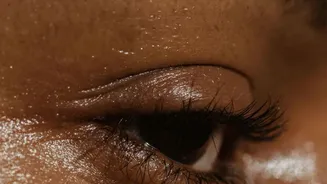
That sticky, greasy feeling on a humid day is a direct result of increased sebum production and sweat that doesn't evaporate as quickly in moist air. Sweat and oil don't mix well, so the oil can form droplets on your skin's surface, making you look even shinier. This oily film traps dirt and bacteria, leading to blackheads, whiteheads, and inflammatory pimples. For those with already oily or acne-prone skin, humid weather can feel like a constant battle. The constant moisture can even cause pores to swell slightly, making them more likely to trap debris.
Adjusting Your Skincare for Humid Weather
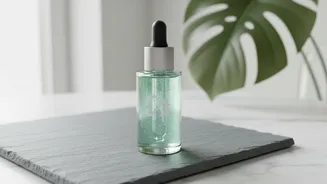
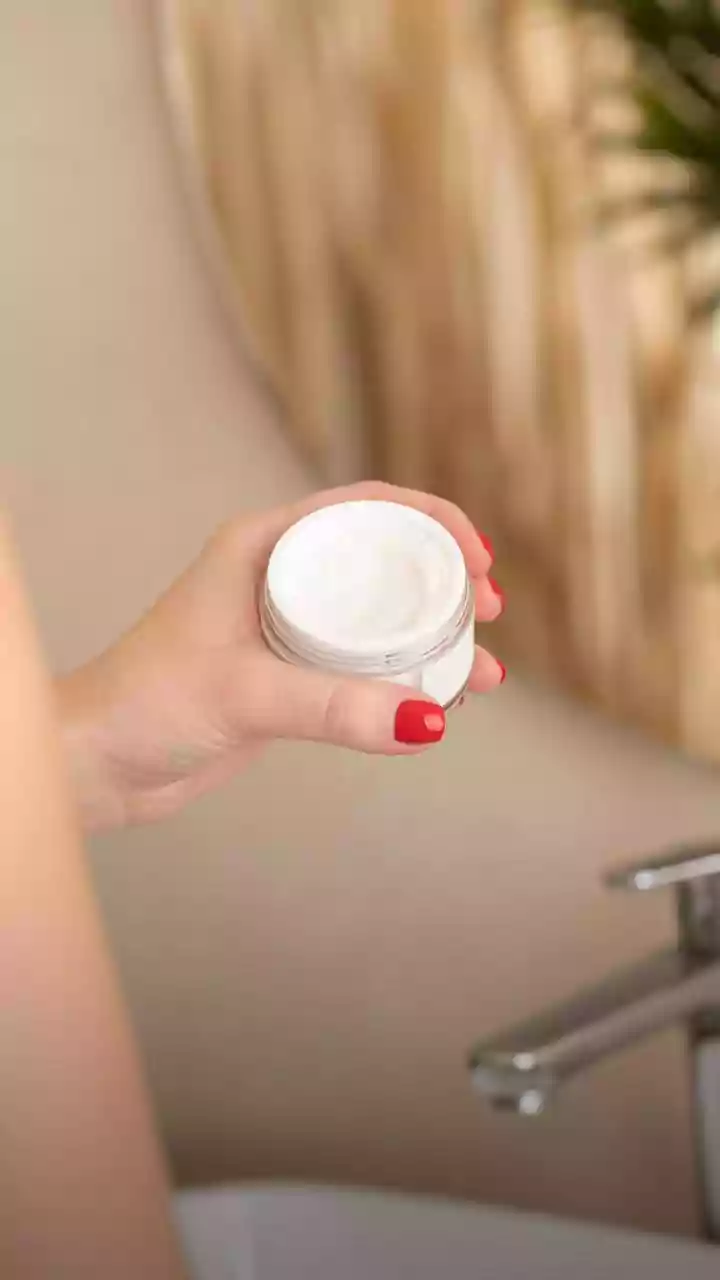
Fighting back against humidity-driven skin issues isn't about stripping your skin of all oil. In fact, that can backfire, causing your skin to produce even more sebum to compensate. Instead, experts recommend smart adjustments. Switch to a lighter, gel-based or water-based cleanser and moisturizer. Heavy, occlusive creams that work in dry weather can feel suffocating and clog pores in high humidity. Look for products labeled "non-comedogenic," meaning they are formulated not to block pores. Adding certain ingredients can also make a big difference. Niacinamide is a superstar for regulating oil production and refining pores. Salicylic acid, a beta-hydroxy acid (BHA), is excellent for exfoliating and getting deep into pores to clear out excess oil and debris. And even though the air is moist, don't skip your moisturizer—it's crucial for maintaining a healthy skin barrier. Just choose a lightweight one.
Simple Habits for Better Skin
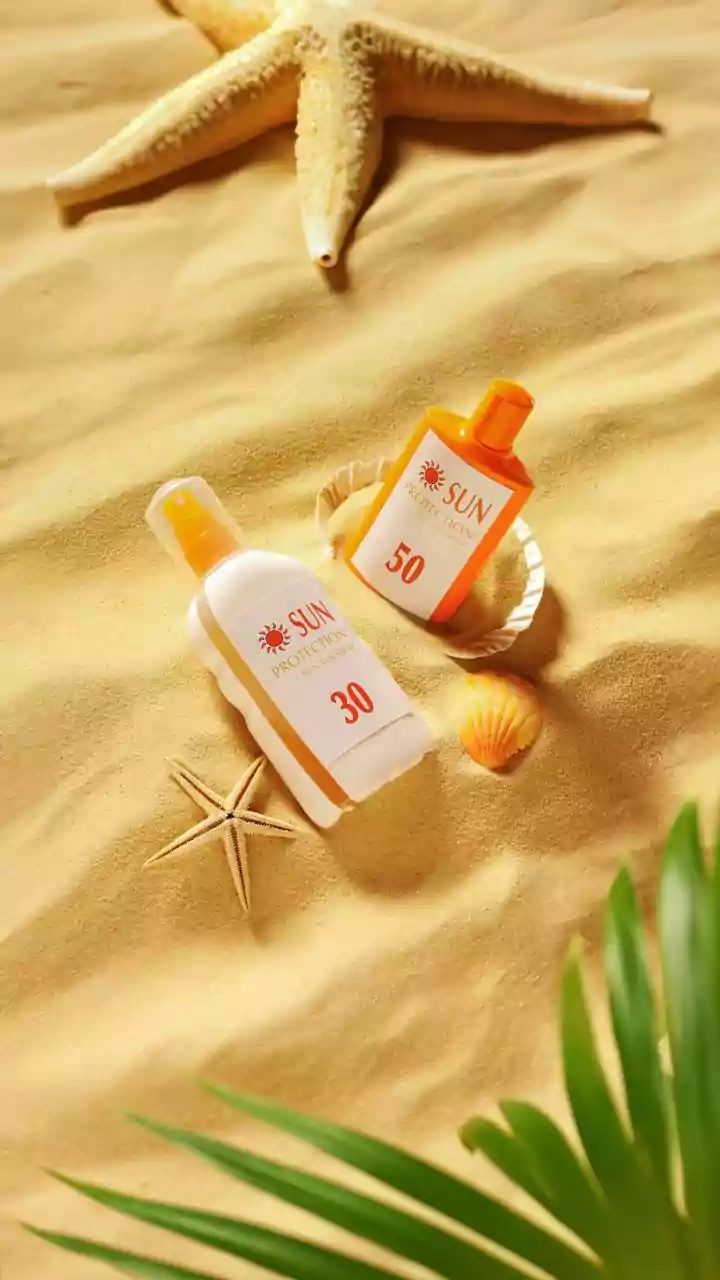
Beyond products, a few simple habits can help manage your skin in humid conditions. After sweating, cleanse your skin as soon as possible to remove the mixture of oil and bacteria. Use blotting papers to gently dab away excess oil during the day without disturbing your makeup or stripping your skin. Avoid touching your face, which can transfer dirt and bacteria. Also, be mindful of friction from things like hats or tight clothing, which can irritate the skin and lead to a specific type of breakout called acne mechanica. Lastly, never skip sunscreen. Many people are tempted to forgo it when their skin feels oily, but sun protection is non-negotiable. Opt for a lightweight, oil-free formula to protect your skin without adding to the grease factor.