





The Rain Shadow Secret
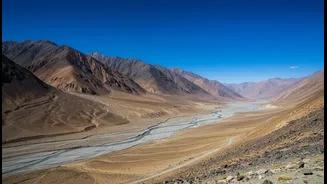
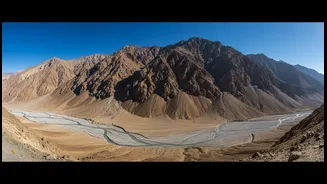
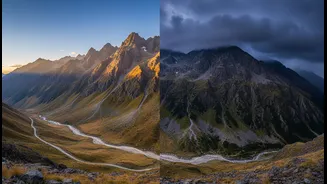
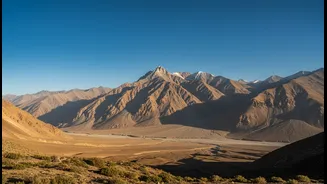
The magic behind a dry monsoon in Ladakh and Spiti lies in a simple geographical phenomenon: the rain shadow effect. The towering Himalayan ranges act as a massive barrier, blocking moisture-laden monsoon clouds that sweep in from the Indian Ocean. These
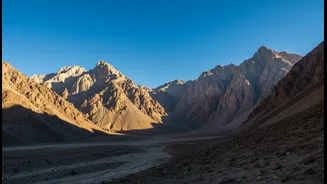
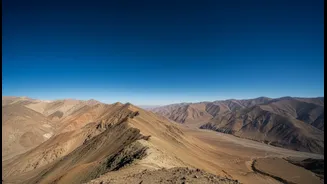
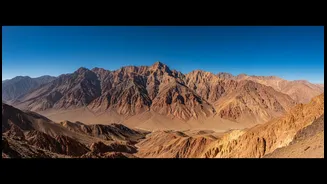
clouds are forced to release their rain and snow on the southern, windward side of the mountains, leaving the northern, leeward side—where Ladakh and Spiti are located—arid and sunny. This results in a cold desert climate with minimal rainfall, often less than 100mm annually, creating a unique travel window when the rest of the subcontinent is awash with rain.
Ladakh: Land of High Passes and Blue Lakes
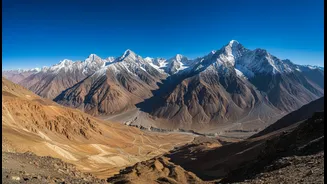
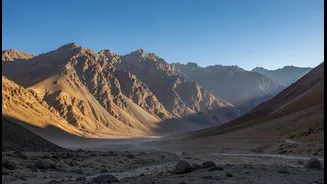
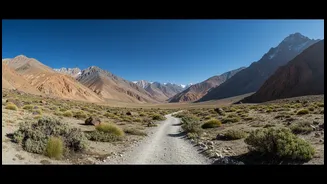
July and August are peak season in Ladakh for a reason. With the high-altitude passes clear of snow and roads generally open, it's the perfect time for exploration. The landscape, typically stark and brown, reveals surprising flecks of green, and the air is crisp. Key attractions like the stunning, colour-changing Pangong Tso and the high-altitude Tso Moriri lake are at their most accessible and brilliant. The Nubra Valley, reached via the famed Khardung La pass, offers the surreal experience of riding double-humped Bactrian camels on sand dunes against a backdrop of snow-capped peaks. Adventure seekers can indulge in thrilling white-water rafting on the Zanskar and Indus rivers, where water levels are ideal during these months.
Spiti: A World Within a World
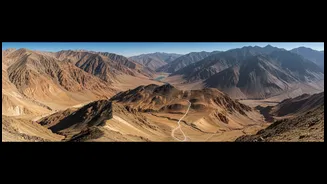
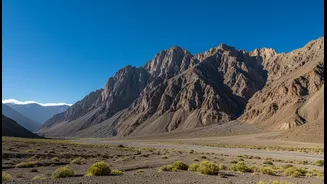
Often called 'Little Tibet', Spiti Valley offers a different kind of tranquility. While it shares Ladakh's rain shadow advantage, it feels more remote and raw. During the monsoon months, the valley, though mostly barren, is accented with patches of green and blooming wildflowers, creating a stunning contrast against the rugged brown mountains. This is the best time to visit ancient Buddhist monasteries like Key, Tabo, and Dhankar, which seem to hang precariously from cliffs. The crescent-shaped Chandratal, or Moon Lake, becomes accessible, offering breathtaking reflections and opportunities for camping under clear, star-filled skies. It's also a time for local festivals, such as the Ladarcha fair in Kaza, providing a unique glimpse into Spitian culture.
Planning Your High-Altitude Escape
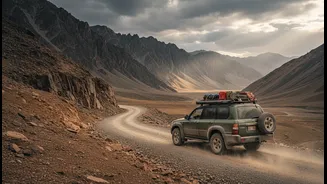
While the valleys themselves are dry, reaching them requires careful planning. The approach roads, particularly the Manali-Leh and Manali-Kaza highways, pass through regions that receive heavy rainfall, increasing the risk of landslides and roadblocks. It's crucial to build buffer days into your itinerary for potential delays. Flying directly into Leh is a safer, albeit more expensive, option that minimizes road-related risks. Regardless of how you arrive, acclimatization is key. Spend at least a day or two in Leh or Kaza getting used to the high altitude before venturing further. Pack layers, as daytime temperatures can be pleasant (around 20-25°C) but nights get cold. Waterproof gear is still essential, not for rain within the valleys, but for the journey there and for unexpected, brief showers.