
The Sun’s Unpredictable Fury
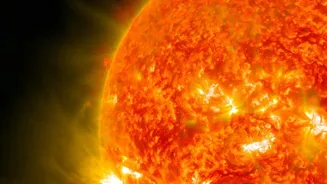
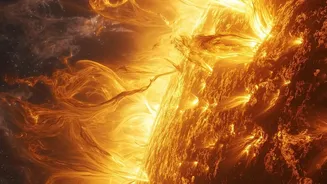
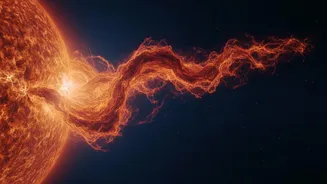
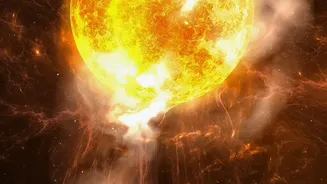
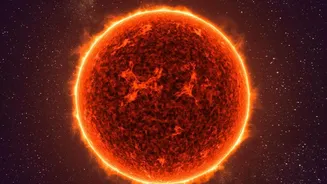
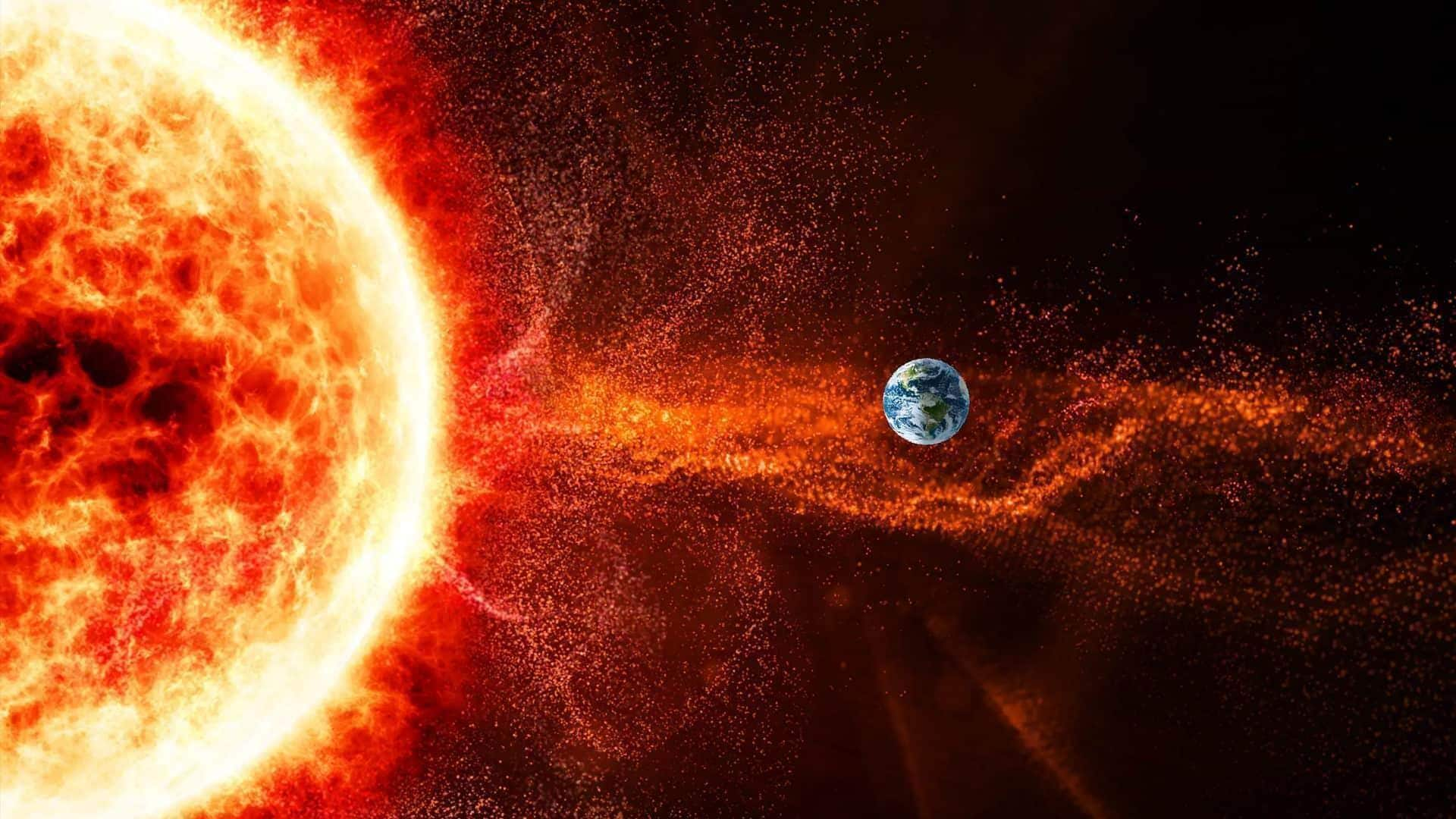
The Sun, our life-giving star, has a volatile side. It periodically ejects enormous clouds of magnetised plasma in events called Coronal Mass Ejections (CMEs). When these clouds barrel towards Earth, they can trigger geomagnetic storms. In a world dependent
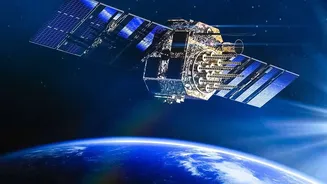
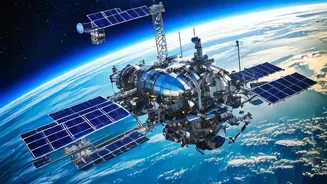
on technology, these storms are a significant threat, capable of disrupting satellites, knocking out power grids, and scrambling communication and navigation systems. For decades, predicting exactly when a CME will arrive and how intense its impact will be has been a major scientific challenge. Early warnings are critical for allowing authorities and infrastructure operators to take protective measures, but forecasting has been hampered by a lack of continuous, detailed observation of the Sun's mysterious outer atmosphere, the corona.
A New Eye on the Sun
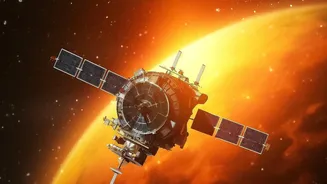
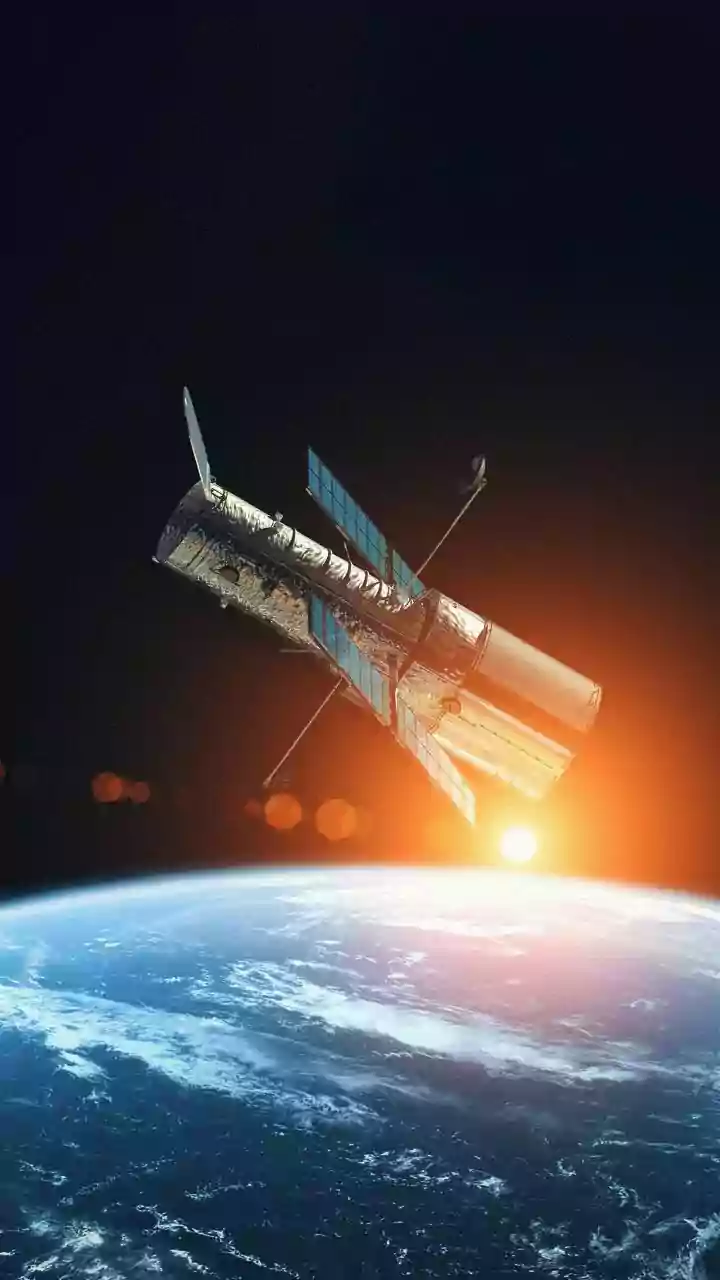
Enter Aditya L1, the Indian Space Research Organisation's (ISRO) pioneering solar mission. Launched in September 2023, the spacecraft is strategically positioned at Lagrange Point 1 (L1), about 1.5 million kilometres from Earth. This unique vantage point provides an uninterrupted, 24/7 view of the Sun, free from the eclipses or occultations that hinder Earth-based observation. While other spacecraft have studied the Sun, Aditya L1 is equipped with a unique suite of seven instruments designed to simultaneously observe different layers of the solar atmosphere, from the visible surface (photosphere) to the superheated corona. This comprehensive view is key to understanding the complex chain of events that leads to a solar eruption.
The Coronal Data Difference
The mission's headline instrument is the Visible Emission Line Coronagraph (VELC). It acts like a permanent artificial eclipse, blocking the Sun's blindingly bright disk to reveal the much fainter corona surrounding it. This allows scientists to see the very beginning of a CME closer to the Sun's surface than most previous missions. By analysing the light from the corona, VELC can measure the temperature, velocity, and density of the plasma as it's being ejected. Another key instrument, the Solar Ultraviolet Imaging Telescope (SUIT), captures images of the lower solar atmosphere. Together, data from VELC and SUIT provide a complete picture of how energy builds up and is released, connecting activity on the Sun's surface to the massive eruptions in the corona.
From Raw Data to Accurate Warnings
The data from Aditya L1 is a game-changer for forecast models. Previously, scientists often only saw a CME after it had already left the Sun. Aditya L1 allows them to capture the crucial onset phase. By observing the initial acceleration and direction of the ejected plasma, forecasters can make much better predictions about its trajectory. For instance, recent observations have shown how the Sun's dynamic magnetic field can deflect a CME as it travels through space. Understanding these deflections is critical for determining if a storm will hit Earth, pass by harmlessly, or hit another planet. By feeding this detailed information—on speed, density, and magnetic field structure—into global space weather models, scientists can significantly improve the accuracy of a storm's arrival time and potential severity.
Why Earlier, Better Warnings Matter
The improvement in forecast accuracy isn't just an academic achievement; it has profound real-world consequences. More reliable and timely warnings—potentially giving hours or even days of extra lead time—allow satellite operators to put their spacecraft into a safe mode. It gives power grid managers time to reconfigure their networks to prevent cascading blackouts and helps airlines reroute flights to avoid communication blackouts and radiation exposure over polar regions. Recent data from Aditya L1 has already provided breakthroughs, helping scientists understand how a powerful solar storm in October 2024 compressed Earth's magnetic shield, briefly exposing some geostationary satellites to harsh conditions. By understanding the Sun-Earth connection in greater detail, the mission contributes directly to safeguarding our planet's vital technological infrastructure.