


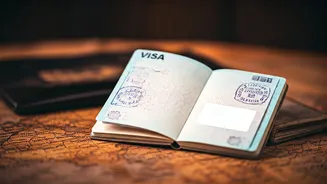


The Game-Changing New Visa Rules
Until recently, planning a trip to Vietnam from India involved a 30-day, single-entry visa, which required careful, rigid planning. Spontaneity was off the table. However, a policy change effective from August 2023 has completely rewritten the script
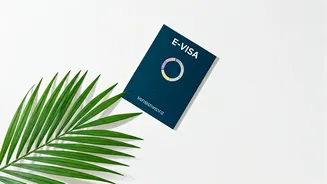
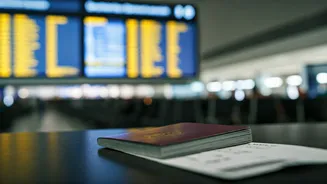
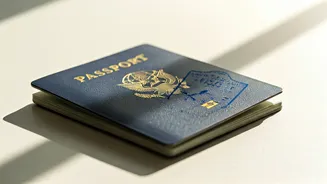
for travellers. Indian passport holders can now apply for an e-visa that is valid for up to 90 days and allows for multiple entries. This isn't just a minor extension; it's a fundamental shift. The ability to enter, leave, and re-enter the country within a three-month window unlocks a new style of travel. You can now plan a flexible, multi-stage journey, hopping from a bustling city to a tranquil island, or even combining your Vietnam trip with a short visit to a neighbouring country without needing a new visa to return.
Why This Fuels Spontaneous Trips
The 90-day validity period removes the pressure of a ticking clock. Previously, travellers had to cram everything into one month. Now, you have the breathing room to truly immerse yourself. Found a beach you love? You can stay longer without derailing your entire itinerary. Heard about a hidden gem from a fellow traveller? You have the flexibility to change your plans and go explore. The multiple-entry feature is the other key component. It means you can fly into Ho Chi Minh City, explore the south, jet off to Phu Quoc island, and then fly back to the mainland to catch a train north to Hanoi without any visa complications. This logistical freedom is the very definition of spontaneous travel, allowing your journey to evolve organically based on your experiences.
Your First Stop: Phu Quoc, the Pearl Island
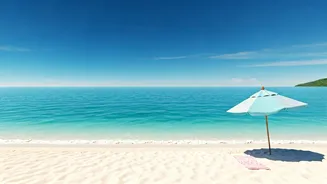
Often called the 'Jewel of Vietnam', Phu Quoc is the perfect starting point for any island-hopping adventure. It’s famous for its long, sandy beaches, lush national parks, and vibrant night markets serving incredible fresh seafood. While Phu Quoc has a special 30-day visa exemption for tourists flying directly to the island, the new 90-day e-visa integrates it seamlessly into a larger Vietnam itinerary. You no longer need to choose between Phu Quoc and the rest of the country. You can fly into a mainland city, explore, then take a short domestic flight to the island for a dose of pure relaxation. Spend your days lounging at Sao Beach, kayaking through turquoise waters, or visiting a local pepper farm before deciding on your next stop.
The Serene Escape: Con Dao Archipelago
For those seeking a quieter, more rugged experience, the Con Dao Islands are a must-visit. This archipelago of 16 islands, located off the southeastern coast, is a protected national park known for its pristine coral reefs, dense jungles, and significant sea turtle nesting sites. It offers a stark contrast to the more developed Phu Quoc. The journey here requires a bit more effort—typically a flight from Ho Chi Minh City—which is precisely why the longer visa is so beneficial. It makes this 'detour' a feasible part of your trip rather than a rushed excursion. Spend your time here hiking, diving, and learning about the islands' poignant history as a former penal colony, offering a mix of sombre reflection and breathtaking natural beauty.
Island Hopping, Cruise Style: Ha Long and Lan Ha Bay
While not a traditional island destination, no Vietnamese coastal tour is complete without witnessing the majesty of its northern bays. Ha Long Bay and its less-crowded neighbour, Lan Ha Bay, are UNESCO World Heritage sites dotted with thousands of limestone karsts and islets. The best way to experience this is on an overnight cruise, which is essentially a form of slow-motion island hopping. The extended visa allows you to book a longer, more immersive two or three-night cruise without feeling rushed. You can kayak through hidden lagoons, explore ancient caves, and wake up to the serene sight of misty peaks rising from the emerald water. The flexibility means you can arrive in Hanoi and book a cruise for the next day, making it a perfect spontaneous addition to your northern Vietnam leg.