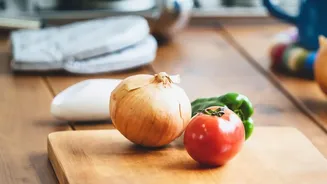




Wash Fruits and Vegetables Thoroughly
Rainwater and muddy conditions can expose fresh produce to harmful microorganisms. The Food Safety and Standards Authority of India (FSSAI) advises washing all fruits and vegetables thoroughly under clean, running water before cooking or eating. For leafy
greens, which can harbour more germs during this season, it helps to wash them with salt water before cooking. It is crucial to dry all produce properly before storing it to prevent rotting and mould growth. Remember to avoid pre-cut fruits and salads sold outside, as they can be easily contaminated.
Store Dry Goods in Airtight Containers
High humidity is the enemy of dry ingredients like flour (atta), pulses, spices, and even biscuits. Moisture in the air can cause them to become soggy, develop mould, or get infested with pests. The most important step is to store these items in clean, dry, and airtight containers immediately after opening. Glass or stainless steel jars are particularly effective. For items like rice and flour, adding a bay leaf to the container can help prevent insects. It's also wise to buy smaller quantities during the monsoon to ensure they are consumed before they can spoil.
Handle Leftovers with Care
Cooked food can spoil much faster at room temperature during the humid monsoon months. The FSSAI warns against leaving cooked food out for more than two hours. All leftovers and perishable items like milk and curd should be refrigerated as soon as possible, preferably below 5°C. When it's time to eat them, make sure to reheat the food thoroughly until it is steaming hot to kill any bacteria that might have developed. Reheating food properly is a critical step in preventing food poisoning.
Maintain a Clean and Dry Kitchen
A clean kitchen is your first line of defence against foodborne diseases. The FSSAI recommends regularly washing and sanitising all kitchen surfaces, chopping boards, and equipment with a disinfectant. Pay special attention to keeping the kitchen dry, as damp surfaces encourage bacterial growth. It's also important to clean your refrigerator regularly. FSSAI suggests defrosting and cleaning it every two weeks during the monsoon to prevent moisture buildup and mould growth.
Separate Raw and Cooked Foods
Cross-contamination is a major cause of food poisoning. This happens when germs from raw foods spread to cooked foods. To prevent this, always use separate cutting boards, knives, and utensils for raw meat, poultry, and seafood versus vegetables and cooked items. When storing food in the refrigerator, keep raw meat and eggs placed away from other foods, ideally on a lower shelf in a sealed container to prevent any drips from contaminating items below.
Be Cautious with Street Food and Water
As tempting as hot pakoras and chaat are in the rain, street food carries a higher risk during the monsoon. Contaminated water, unhygienic preparation, and exposure to flies increase the chances of illnesses like typhoid, cholera, and diarrhoea. If you must indulge, opt for vendors who prepare food freshly in front of you and serve it piping hot. Avoid raw chutneys and anything made with water of unknown purity, like pani puri. For drinking water at home, ensure it is either boiled for at least a minute or properly filtered through a reliable purifier.