

A Return to the Roots for Health
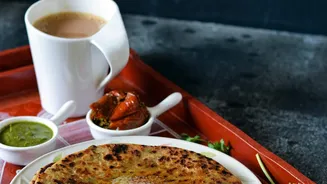
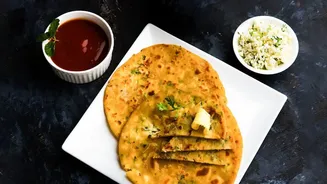
For years, the Western breakfast of cereal and milk was seen as the quick, modern choice for busy urban families. However, a new generation is looking at traditional options like poha, idli, and upma with fresh eyes, driven by a greater awareness of nutrition.
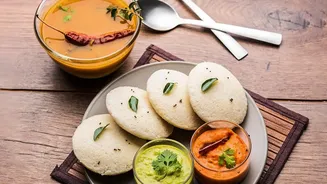
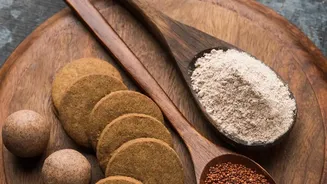
These age-old recipes are naturally packed with benefits that processed foods struggle to replicate. Traditional breakfasts are often built on a balanced foundation of complex carbohydrates, plant-based proteins, and healthy fats. For instance, idlis, made from a fermented batter of rice and lentils, are rich in probiotics that aid digestion and are light on the stomach. Poha, or flattened rice, is a good source of iron and provides a quick energy boost without the crash associated with sugary foods. This shift is also fuelled by the resurgence of ancient grains like millets. Ragi, jowar, and bajra are being celebrated for their high fibre content, low glycemic index, and rich mineral profile, making them ideal for managing everything from blood sugar to weight.
Convenience Gets a Traditional Makeover
While health is a major driver, the modern Indian's lack of time remains a reality. Young professionals and students simply cannot afford elaborate, time-consuming preparations every morning. This is where the “new ways” part of the trend comes into play. A booming market of food-tech startups and established brands is bridging the gap between traditional recipes and modern convenience. Companies like iD Fresh Food have built a massive following by offering ready-to-use, preservative-free idli and dosa batter, bringing the authentic taste of a South Indian breakfast into busy kitchens nationwide. Similarly, the market for millet-based products has exploded, with everything from ragi-based pancake mixes to jowar upma available in ready-to-cook formats. These products allow young consumers to enjoy a nutritious, home-cooked traditional meal in minutes, proving that you don't have to choose between health and speed.
The Instagrammable Idli and Poha Bowl
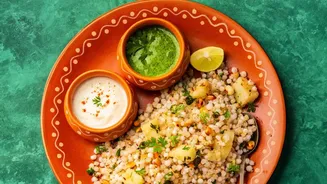
Social media has played a transformative role in this breakfast revival. Platforms like Instagram are flooded with visually appealing images of traditional dishes served with a modern twist. Think poha bowls artfully topped with pomegranate seeds and microgreens, or ragi dosas presented like French crepes. These platforms have become virtual cookbooks and communities where young food enthusiasts discover regional recipes, share their own fusion creations, and find inspiration for healthy eating. Influencers promoting the benefits of a balanced, traditional diet have also helped shift the narrative, making heritage food cool and aspirational. A study noted that over 75% of participants were inspired to make healthier food choices after viewing relevant content online. This digital validation encourages a sense of pride and turns the everyday act of making breakfast into a creative and shareable experience.
A Search for Authenticity and Identity
Beyond health and convenience, this trend is tied to a deeper search for cultural identity. For many young Indians navigating a globalized world, food has become a powerful way to connect with their roots. Eating the same poha their grandmother made or mastering the art of a perfect dosa is a comforting ritual that reinforces a sense of belonging. It’s a quiet rejection of a homogenized global culture in favor of something uniquely Indian. This isn't about blind nostalgia; it's about making a conscious choice to integrate tradition into a modern lifestyle. It's about finding value and relevance in the flavours and food wisdom passed down through generations. By choosing a traditional breakfast, young Indians are not just feeding themselves; they are nourishing a connection to their heritage, one plate at a time.