





The Sunlight Paradox in India
Before we talk about food, it’s crucial to understand why deficiency is so widespread in India. Factors like modern indoor lifestyles, rising air pollution blocking UVB rays, and cultural clothing habits mean many of us get very little effective sun exposure.
Furthermore, darker skin tones, which are common in India, have more melanin, which naturally reduces the skin's ability to produce Vitamin D from sunlight. This means that even when people are outdoors, they may need longer exposure than fair-skinned individuals to produce the same amount of the vitamin. As a result, relying on the sun alone isn't always enough, pushing diet into the spotlight.
The Shortlist: Natural Non-Vegetarian Sources
When it comes to naturally Vitamin D-rich foods, the list is short and dominated by animal products. Fatty fish are the superstars. Varieties like salmon (600–1,000 IU per 100g), mackerel, sardines, and the locally popular hilsa (ilish) are excellent sources. Egg yolks are another significant contributor, offering about 40 IU per yolk. For many non-vegetarians, including a couple of servings of fatty fish a week and eggs regularly can provide a solid dietary baseline. However, these foods are not daily staples for a vast portion of the population, making them an inconsistent source for the masses.
The Vegetarian's Dilemma
For vegetarians, the options for natural Vitamin D are even more scarce. In fact, there is only one notable plant-based source: mushrooms, but with a major catch. Mushrooms produce Vitamin D2 when they are exposed to ultraviolet (UV) light. Commercially grown mushrooms are often cultivated in the dark and contain very little of the vitamin. However, you can boost their content yourself by slicing them and leaving them in direct midday sunlight for 15-60 minutes before cooking. Some brands also sell pre-exposed, Vitamin D-enriched mushrooms. Aside from this, the natural dietary options for vegetarians are practically non-existent.
The Rise of Fortified Foods
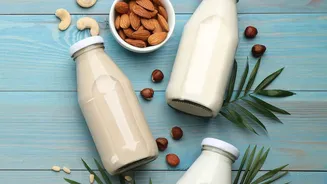
Recognising the widespread deficiency and limited natural sources, food fortification has become a crucial strategy in India. Many everyday staples are now available with added Vitamin D. Look for labels on milk, dahi (yoghurt), some brands of paneer, breakfast cereals, and even edible oils. Fortified milk can provide between 100-150 IU per 250ml serving. For vegans or those who are lactose intolerant, fortified plant-based milks like soy, almond, and oat milk are excellent alternatives, often containing around 100 IU per serving. Fortified tofu is another option to consider. Checking the nutrition label on packaged foods is the best way to identify these helpful products.
Can Diet Alone Do the Job?
The simple answer for most people is no. While including the foods mentioned above is beneficial, relying solely on diet to meet your daily requirement of around 600 IU is very difficult. For example, you would need to eat about 15 egg yolks or a very large serving of fortified milk daily, which is impractical. Fatty fish comes closest, but is not a daily food for most. The most effective strategy is a combination approach: aim for sensible, regular sun exposure (around 15-20 minutes of midday sun on the arms and face a few times a week for lighter skin tones, longer for darker tones), incorporate Vitamin D-rich and fortified foods into your meals, and speak with a doctor.