




A Rare Spectacle for Europe
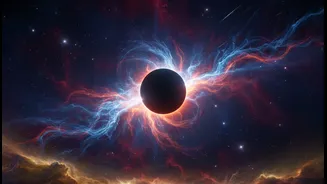
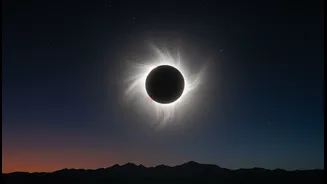
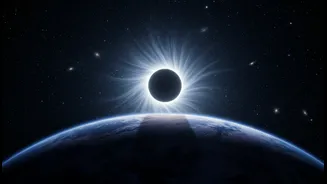
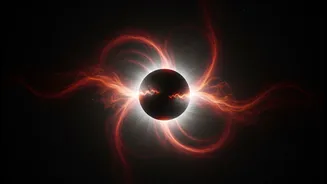
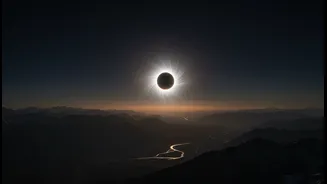
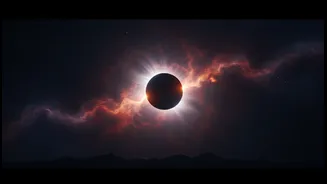
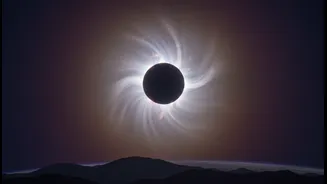
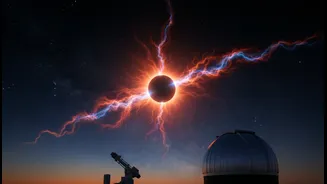
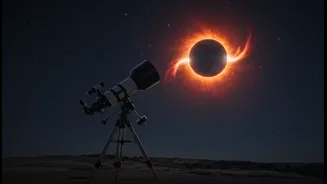
A total solar eclipse occurs when the Moon passes directly between the Sun and Earth, completely obscuring the Sun's face. On August 12, 2026, this breathtaking phenomenon will trace a path across the Arctic, Greenland, Iceland, and notably, Spain. This
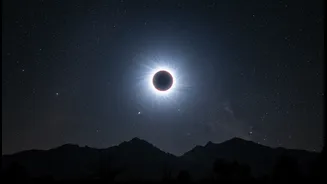
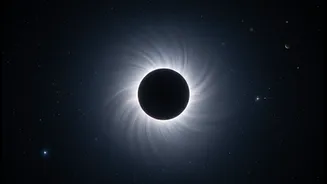
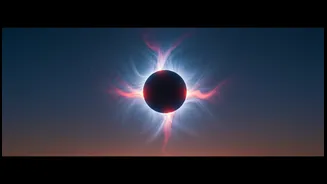
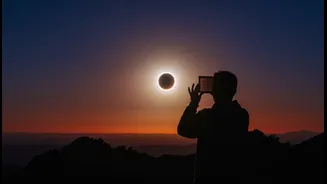
event is particularly significant as it's the first total solar eclipse to be visible from mainland Europe since 1999, making it a once-in-a-generation sight for millions. The path of totality—where the Sun is completely hidden—will offer viewers the rare chance to see the Sun's wispy outer atmosphere, the corona. For some locations in Spain, this will happen dramatically during sunset, promising incredible photo opportunities.
The View from India: A Reality Check
Here is the most important fact for anyone in India: the August 12, 2026 total solar eclipse will not be visible from the country. The entire celestial event takes place during the night in India. The eclipse begins globally around 9:45 PM IST and ends in the early hours of August 13. Since the sun will have long set across the subcontinent, there will be nothing to see. While some highly specialized astronomical models suggest a minuscule, barely-there partial eclipse might be technically visible from the extreme northern tips of Ladakh, it is for all practical purposes a non-event for Indian observers. You will not see the sky darken or the Sun disappear.
What About Sutak Kaal?
In Hindu tradition, a period of abstention known as Sutak Kaal is often observed during solar eclipses. However, these customs only apply when the eclipse is visible in a particular region. Since the August 12 solar eclipse is not visible anywhere in India, Sutak Kaal will not be applicable. There is no religious or cultural requirement to alter your daily routine, close temples, or fast. Life can and should proceed as normal across India during this global event. Checking visibility is the first step before considering any associated traditions.
How You Can Still Experience the Eclipse
Just because you can't see it from your backyard doesn't mean you have to miss out entirely. The best way for people in India to witness this stunning eclipse is through online live streams. Major space agencies like NASA and the European Space Agency, along with astronomical observatories located within the path of totality, will provide high-quality, real-time broadcasts of the event. These streams offer a front-row seat with expert commentary, explaining the science as it happens. This allows you to experience the magic of totality safely and informatively from the comfort of your home.
The Real Celestial Show for India
There's a fantastic silver lining for skywatchers in India. The solar eclipse coincides with the peak of the annual Perseid meteor shower. A solar eclipse can only occur during a New Moon phase, which means the night of August 12-13 will be exceptionally dark and free from moonlight. This creates perfect conditions for meteor watching. After you've watched the solar eclipse on a livestream, you can step outside and look up for the Perseids. This famous shower is known for producing bright, fast-moving meteors, and with the dark sky, you could be in for a spectacular show of shooting stars in the hours after midnight.
A Final Checklist for Stargazers
So, before you act on the eclipse hype, here's your quick checklist. First, confirm that the event is not visible from India. Second, understand that this means no special precautions or rituals are necessary. Third, if you're keen to see it, find a reliable live stream from an official source. And finally, don't forget to take advantage of the dark night sky to enjoy the Perseid meteor shower. Always remember that for any future solar eclipses that are visible locally, you must use certified solar viewing glasses or other proper methods to protect your eyes. Never look directly at the sun, even when it is partially covered.