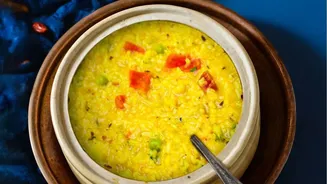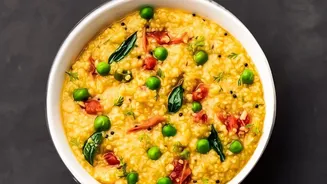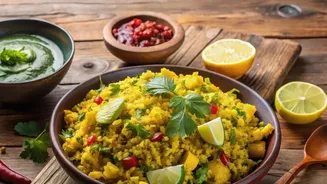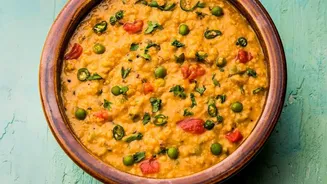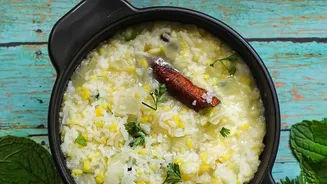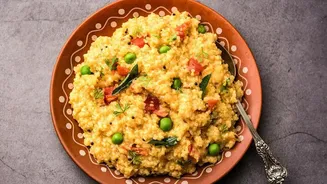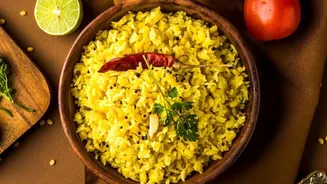



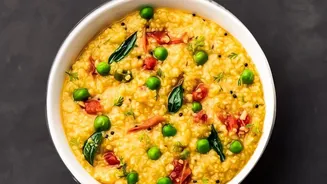
Forget sweet porridge; oats are ready for a savoury makeover. This guide transforms the humble oat into a wholesome, comforting khichdi, perfectly tailored for both a satisfying meal and powerful training nutrition. Here is your guide to making it.
Why Oats Make a Perfect Khichdi
Khichdi
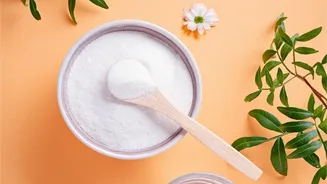
is the ultimate Indian comfort food, traditionally made with rice and lentils. Swapping rice for oats might seem unusual, but it’s a brilliant upgrade for both health and convenience. Oats are a nutritional powerhouse, packed with protein and a special kind of soluble fibre called beta-glucan. This fibre helps you feel full for longer, supports heart health, and prevents the sharp energy crashes associated with refined grains. For anyone active or in training, this is a significant advantage. The complex carbohydrates in oats provide a slow, steady release of energy, which is ideal for fueling long workouts or helping your muscles recover afterward. Unlike rice, which can sometimes be heavy, oats create a khichdi that is both light and deeply satisfying, making it a fantastic meal for any time of day.
The Ultimate Training Fuel
The phrase 'training nutrition' points to food that works as hard as you do, and oats khichdi fits the bill perfectly. Before a workout, the complex carbs offer sustained energy to prevent fatigue. After a workout, your body needs to replenish its glycogen stores—the energy saved in your muscles. The carbohydrates in oats are excellent for this restoration process. When combined with moong dal, as is traditional in khichdi, the meal provides a solid dose of plant-based protein, which is essential for muscle repair and growth. Furthermore, oats contain important minerals like magnesium and iron, which support muscle function and oxygen delivery throughout the body, reducing cramps and aiding recovery. This one-pot meal is not just convenient; it’s a strategically balanced dish to help you meet your fitness goals.
A Simple, Foolproof Oats Khichdi Recipe
This one-pot recipe is quick, easy, and packed with flavour. You will need: ½ cup rolled oats, ½ cup yellow moong dal (soaked for 20 minutes), 1 chopped onion, 1 chopped tomato, ½ cup mixed vegetables (like carrots, peas, and beans), 1 tsp grated ginger, 1 chopped green chilli, ½ tsp turmeric powder, a pinch of asafoetida (hing), 1 tsp cumin seeds, salt to taste, and 1 tbsp of ghee or oil. To prepare, first heat the ghee or oil in a pressure cooker. Add the cumin seeds and let them splutter, then add the asafoetida, ginger, and green chilli, and sauté for a minute. Add the chopped onion and cook until translucent. Next, add the tomatoes, vegetables, and turmeric powder, and cook for another two minutes. Drain the soaked moong dal and add it to the cooker along with the rolled oats. Stir everything together, then add 3-4 cups of water and salt. Secure the lid and pressure cook on medium heat for 2-3 whistles. Let the pressure release naturally before opening. Stir well, garnish with fresh coriander, and serve hot.
Tips for Perfect Texture and Taste
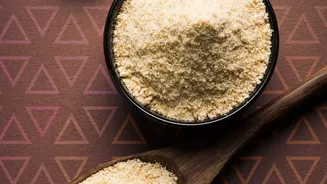
The key to a great oats khichdi is getting the texture right—it should be creamy and porridge-like, not a sticky, lumpy mess. The type of oats you use matters. Rolled oats are a good middle ground, providing a nice texture that doesn't get too mushy. Quick-cooking oats will result in a much softer, almost paste_like consistency, while steel_cut oats will require more water and a longer cooking time for a chewier result. For a deeper, nuttier flavour, try dry_roasting the oats in the pan for a couple of minutes before adding any water. Don’t be afraid to experiment with vegetables; cauliflower, spinach, or bottle gourd all work beautifully. If you don't have a pressure cooker, the same recipe can be made in a deep pot, but you'll need to stir occasionally and add more water as needed until the dal is fully cooked.