



The Philosophy of Simplicity
Assamese cuisine might be one of India’s most misunderstood culinary landscapes. Often stereotyped for exotic ingredients, the everyday food of the region is a masterclass in subtlety and balance. Unlike cuisines heavy on spices, Assamese cooking focuses
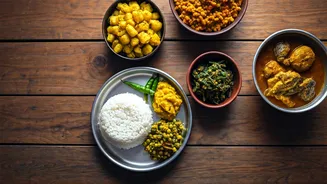
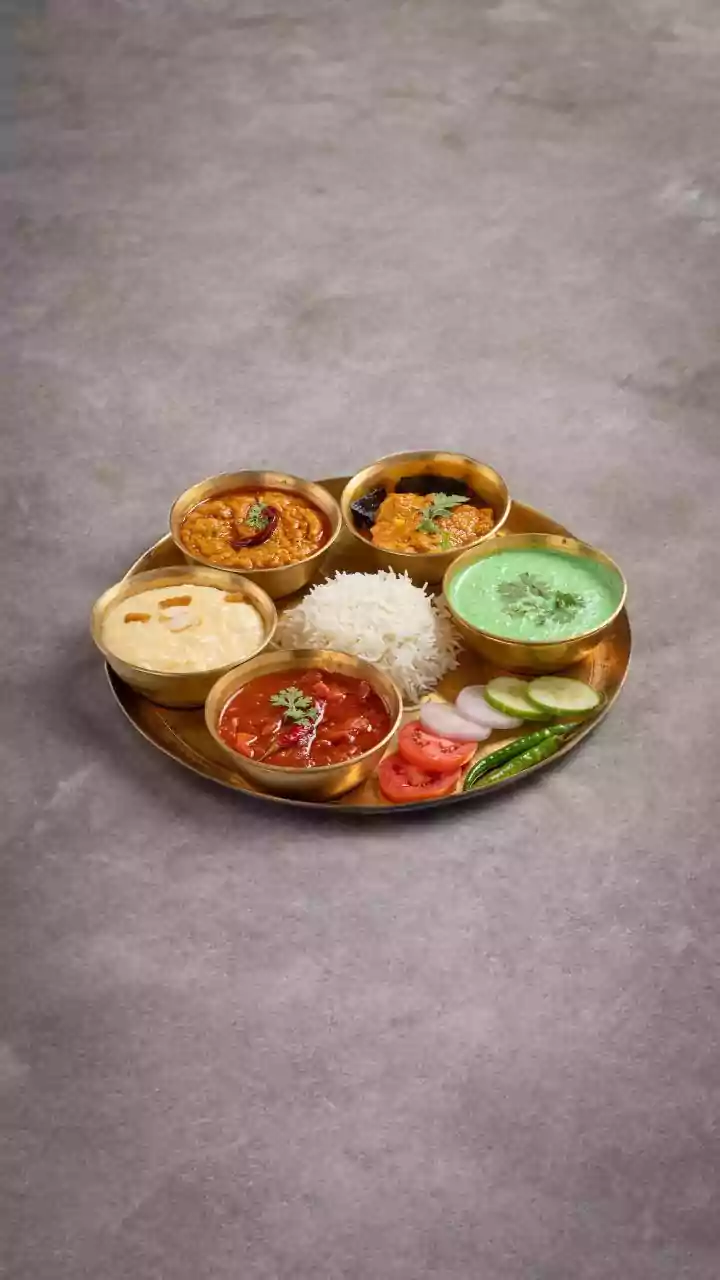
on highlighting the natural flavors of fresh, seasonal, and locally sourced produce. The preparations are generally simple, with minimal use of oil and a preference for steaming and roasting. The foundation of most meals is rice, accompanied by dishes that celebrate the bounty of the land and rivers, creating food that is both nourishing and deeply connected to its environment. The guiding principle is to let the ingredients speak for themselves, resulting in a cuisine that feels light, clean, and profoundly satisfying.
Khar and Tenga: The Foundational Flavours
To understand Assamese food, you must first understand its two opposing pillars: ‘Khar’ and ‘Tenga’. A traditional meal often begins with Khar, a unique alkaline preparation. The key ingredient, also called khar, is an alkaline water filtered through the ashes of sun-dried banana peels. This liquid is then used to cook anything from raw papaya to pulses or fish, imparting a distinct, earthy flavor that is believed to cleanse the palate and aid digestion. At the other end of the spectrum is Tenga, which means sour. Masor Tenga, a light and tangy fish curry, is the quintessential sour dish. The sourness comes from a variety of natural agents like tomatoes, elephant apple (ou tenga), raw mango, or lemon, making it a refreshing counterpoint to the region’s humidity. Traditionally, Khar and Tenga are not served in the same meal, representing a culinary balance of opposites.
The Comfort of Pitika
Every cuisine has its comfort food, and in Assam, it’s Pitika. This is the simple art of mashing, and it is considered the soul food of the state. Aloo Pitika is the most common version, a deceptively simple dish of boiled or roasted mashed potatoes mixed with raw mustard oil, finely chopped onions, and green chillies. The result is a pungent, flavorful mash that accompanies almost every meal. But the concept extends to other vegetables as well, like roasted eggplant (Bengena Pitika) or even mashed fish. This dish embodies the Assamese love for straightforward, unpretentious food that delivers a powerful punch of flavor.
Must-Try Meats and Delicacies
While vegetarian dishes form a large part of the cuisine, Assam offers a paradise for meat lovers. Duck meat curry, or Hanhor Mangkho, is a celebrated dish, often cooked with ash gourd for special occasions. The distinct aroma of the gourd beautifully complements the rich flavor of the duck. Pigeon meat (Paror Mangxo), often cooked with banana flower, is another delicacy enjoyed for its warming properties, especially in colder months. For those who enjoy pork, Lai Xaak Gahori combines tender pork with crispy mustard greens, often cooked with just ginger, garlic, and chillies. These dishes showcase how meat is paired with specific vegetables and herbs to create balanced and flavorful preparations.
A Touch of Fire: The Bhoot Jolokia
No discussion of Assamese food is complete without mentioning the legendary Bhoot Jolokia, or ghost pepper. Once certified as the world's hottest chilli, its reputation can be intimidating. However, in Assamese households, it’s not used for shock value but as a respected ingredient to add a fiery twist and distinct aroma to pickles and curries. A small piece is often enough to flavor an entire dish. Travelers can experience its power in chutneys or pickles, which add an intense but flavorful kick to a simple meal of rice and dal. It’s a taste of the region’s wild spirit, meant to be savored with caution and respect.