



Why the Monsoon Messes with Your Veggies
The magic of the monsoon—the high humidity and constant moisture—is also what makes it a challenging time for food safety. This environment is perfect for bacteria, viruses, and fungi to thrive. Heavy rains can lead to waterlogging and contamination of water sources,
which may be used to grow or wash produce. This means that fresh foods, especially vegetables and fruits, are at a higher risk of carrying pathogens like E. coli and Salmonella, which can cause unpleasant digestive issues like diarrhoea and stomach infections. Leafy greens are particularly vulnerable as their many layers can trap mud, microbes, and other contaminants, making them difficult to clean thoroughly.
The Problem with Pre-Cut Produce
Convenience often comes at a cost, and in the monsoon, pre-cut fruits and vegetables are a prime example. While grabbing a packet of chopped veggies or sliced fruit seems like a time-saver, it significantly increases your risk of exposure to contaminants. Once the natural protective skin of a vegetable is broken, its flesh is exposed. Every cut surface becomes a potential entry point for bacteria. These items are often handled more, sit in plastic packaging where moisture can accumulate, and have a larger surface area for germs to multiply, a process accelerated by the warm, humid weather. Health experts and bodies like the FSSAI consistently advise against consuming pre-cut produce from outside vendors during this season.
The Power of a Whole Vegetable
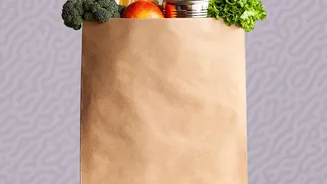
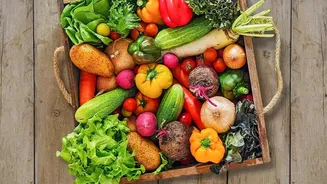
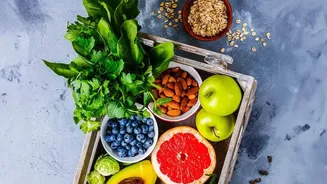
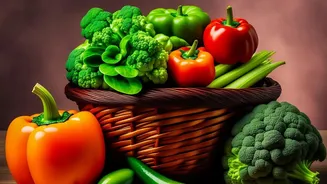
This brings us to the simple, effective solution: buying your produce whole. A vegetable or fruit with its skin intact has a natural, built-in barrier against the outside world. Produce like gourds, pumpkins, bananas, and oranges are generally safer because their edible part is protected until you peel or cut them at home. Opting for whole produce minimizes its exposure to handling and potential cross-contamination that occurs during commercial cutting and packaging. By bringing home whole vegetables, you take control of the cleaning and preparation process, ensuring it happens in a hygienic environment just before consumption, which is the safest practice.
Your Monsoon Produce Playbook
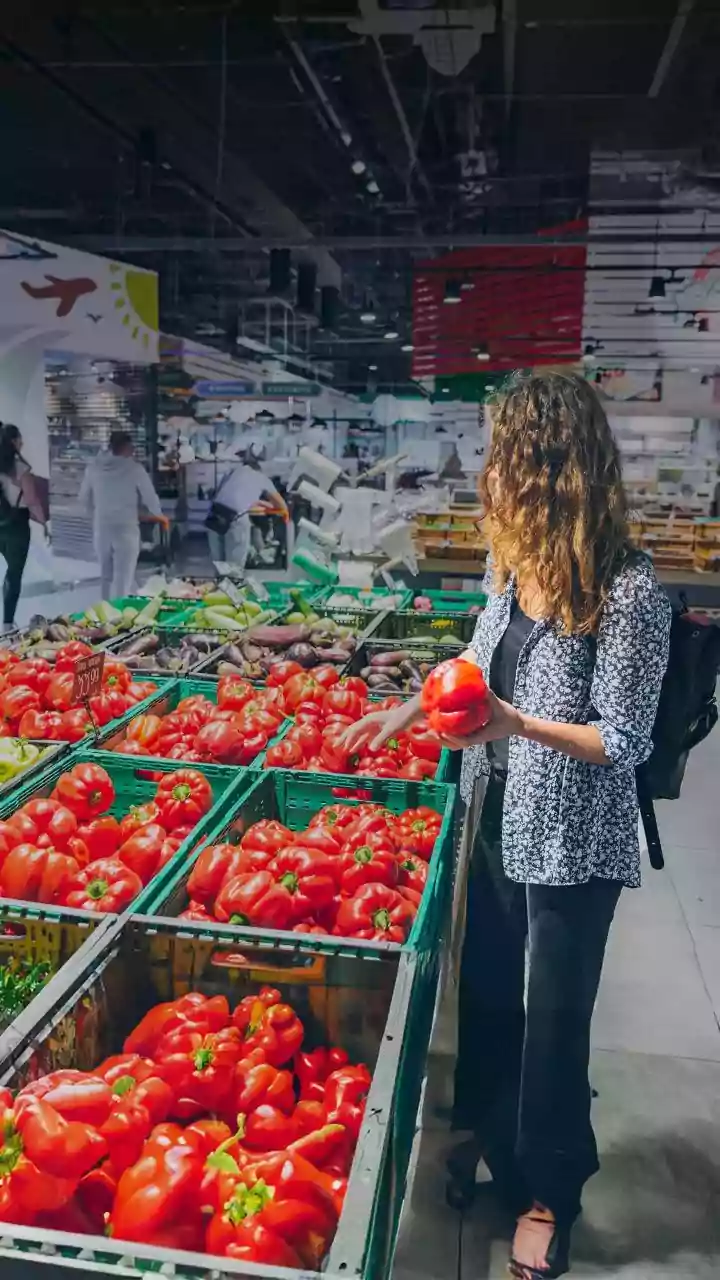
Navigating the vegetable market during the rains requires a sharp eye and a good plan. First, buy fresh produce more frequently and in smaller quantities to avoid spoilage in the damp climate. Inspect items carefully, avoiding anything with bruises, cuts, or mouldy spots. When you get home, the cleaning ritual is crucial. Wash all vegetables and fruits thoroughly under clean, running water, even if you plan to peel them. This prevents transferring contaminants from the skin to the flesh. For firm produce like melons or gourds, use a clean vegetable brush. For leafy greens, a soak in salt water or a weak vinegar solution for a few minutes can help dislodge hidden dirt and microbes before a final rinse.
Cooking and Storage: Your Final Line of Defence
How you cook and store your produce is just as important as how you buy it. Cooking food thoroughly to a safe temperature is one of the most effective ways to kill harmful bacteria and viruses. Health experts often recommend opting for cooked meals like soups and stir-fries over raw salads, especially when eating out. If you do make a salad at home, ensure it is freshly prepared after meticulous washing. Proper storage is also key. Refrigerate perishable items promptly to slow down bacterial growth. FSSAI recommends keeping cooked and raw food separate to avoid cross-contamination and consuming leftovers within a short period after reheating them thoroughly.