


The Monsoon's Culinary Logic
The craving for specific foods during the monsoon isn't just about nostalgia; it's rooted in centuries of traditional wisdom. According to Ayurveda, the rainy season, or Varsha Ritu, is a time when the digestive fire (Agni) is at its weakest. The damp,
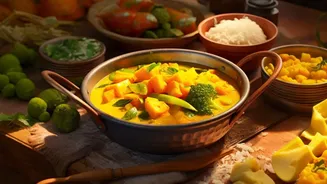
humid weather can make the body feel sluggish and susceptible to illness. As a result, the ideal monsoon diet focuses on foods that are warm, light, and easy to digest. This is why freshly cooked meals, warm soups, and lightly spiced dishes like khichdi have always been seasonal staples. These foods are believed to support digestion, boost immunity, and provide a sense of warmth and comfort that counteracts the dampness outside.
Ghevar: The Sweet Star of Sawan
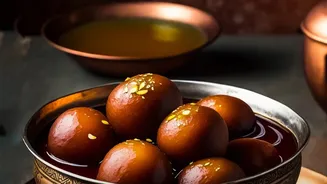
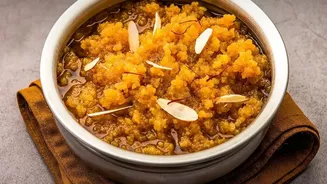
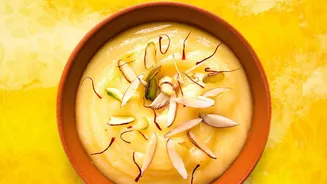
No discussion of monsoon food is complete without mentioning ghevar. This disc-shaped, honeycomb-textured sweet, originating from Rajasthan, is the undisputed star of the season. Its appearance in sweet shops is a clear sign that monsoon festivities have begun. Traditionally associated with the festivals of Teej and Raksha Bandhan, which fall during the monsoon month of Sawan, ghevar is more than just a dessert; it's a cultural symbol. Its preparation is an art form that, according to tradition, relies on the high humidity of the monsoon to achieve its perfectly crisp and porous texture. Soaked in sugar syrup and often topped with rabri (thickened sweet milk) and nuts, ghevar is a rich indulgence believed to have calming properties that balance the body during this season.
Beyond the Usual Suspects
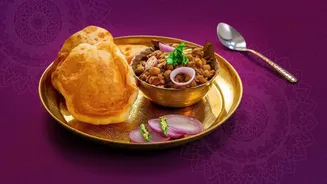
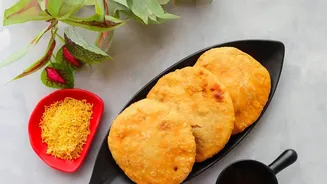
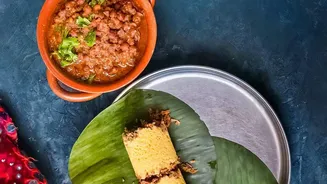
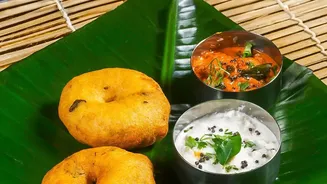
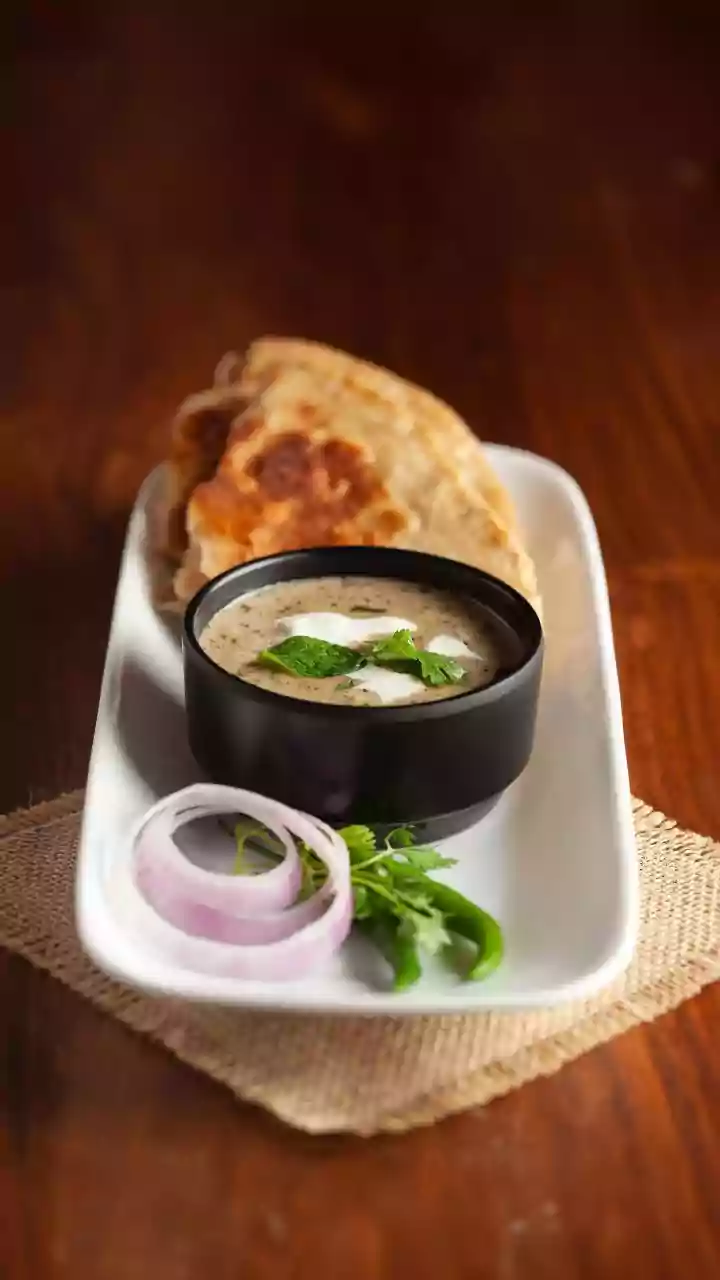
While classics like pakoras and samosas will always have their place, Delhi's food scene is currently celebrating a wider array of regional monsoon delicacies. These are not new inventions but rather a rediscovery of dishes that have been part of India's diverse culinary heritage for generations. Snacks like Ram Ladoo, which are soft moong dal fritters topped with grated radish and tangy chutneys, are a beloved Delhi monsoon staple. From North India, Bedmi Puri, a crispy bread made with lentils, is another favourite home-cooked meal during the rains. Many restaurants and chefs are now championing these and other regional specialties, moving them from home kitchens to curated dining experiences.
The Revivalists: From Cafes to Fine Dining
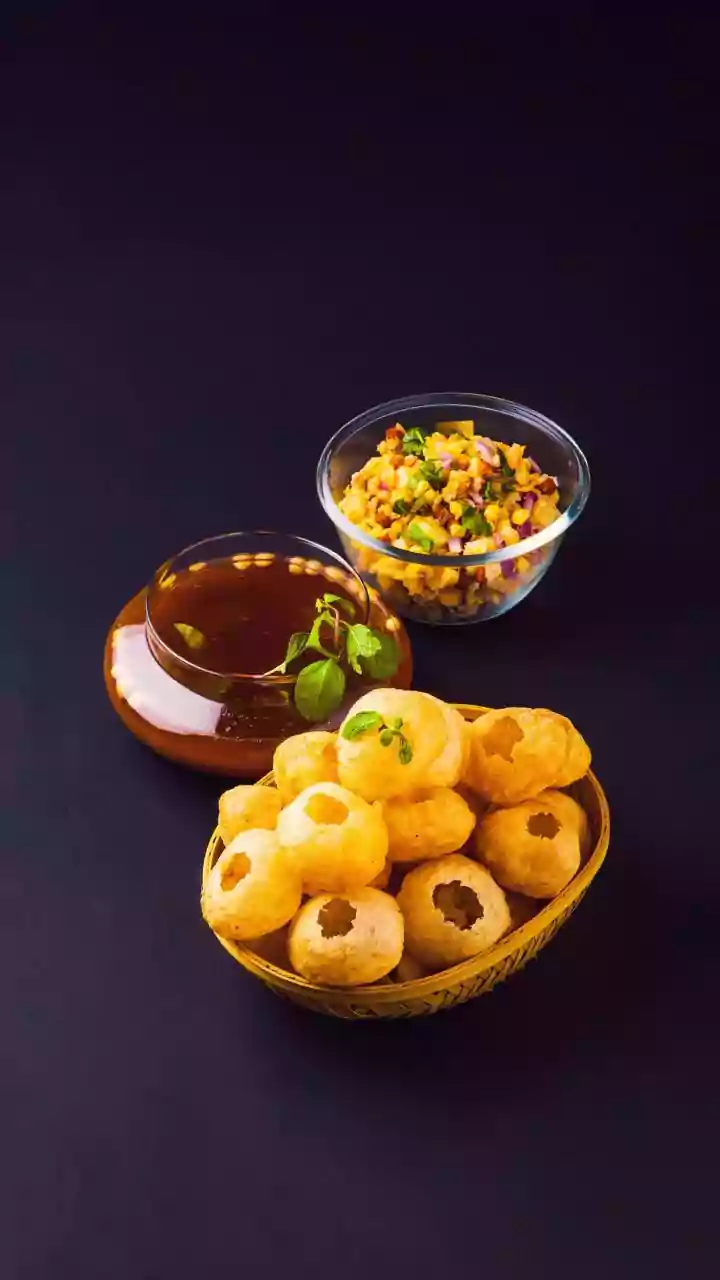
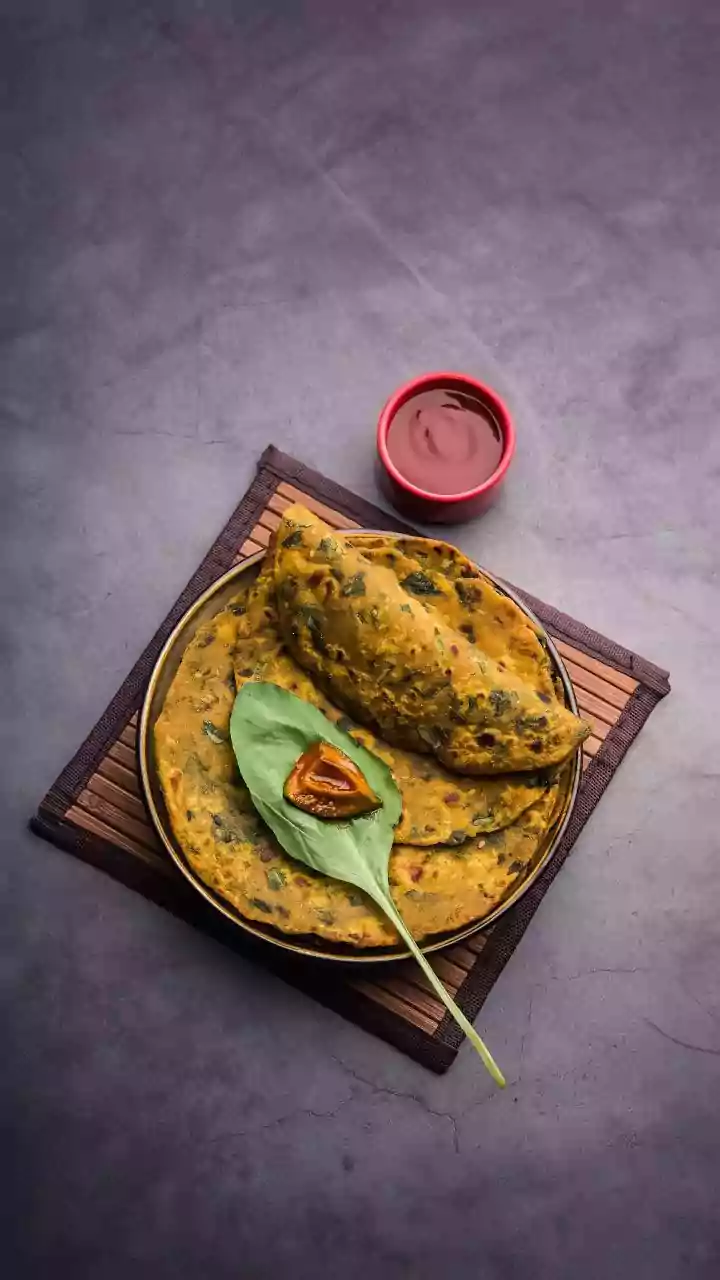
The 'revival' is being led by a new generation of chefs and restaurateurs who are creating special monsoon menus that celebrate traditional Indian street food with a contemporary twist. For instance, some cafes are reinterpreting classics with dishes like Dabeli Bruschetta and Pinwheel Samosas. Others are creating tasting menus dedicated entirely to chaat, offering innovative versions of old favourites like Palak Patta Chaat and Moong Pani Pakodi. Even fine-dining establishments are participating, with chefs curating menus that feature forgotten recipes and regional monsoon comfort foods, presenting them in a modern context. This trend showcases a growing appreciation for the depth and variety of India’s culinary traditions.
A Taste of Heritage in a Modern City
This monsoon food revival speaks to a larger cultural trend. In a fast-paced city like Delhi, there is a growing desire to connect with roots and traditions. Food serves as a powerful and delicious link to the past. By seeking out and celebrating these regional and seasonal dishes, people are not just satisfying a craving; they are partaking in a shared cultural memory. It is a way of honouring the wisdom of past generations, who understood the deep connection between seasons, food, and well-being. This revival is turning the rainy season into a time of culinary discovery, where every meal can be a journey into the heart of India's diverse food heritage.