

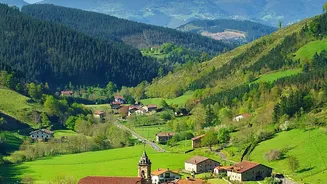
Forget predictable hotel itineraries. For a true understanding of Chhattisgarh’s soul, a growing number of travellers are swapping room service for rural reality, finding that a village stay offers a connection that no guidebook can provide.
Beyond the Postcard View
Chhattisgarh,
often called the 'rice bowl of India', is a land of dense forests, dramatic waterfalls, and a cultural landscape shaped by its diverse tribal communities. While attractions like Chitrakote Falls and Kanger Valley National Park are rightly famous, a deeper, more meaningful experience awaits those willing to step off the beaten path. Community-based tourism, particularly through village and farm stays, is emerging as a powerful way for first-time visitors to gain a genuine insight into the region's heart. These stays move beyond simple sightseeing, offering an immersive dive into the daily rhythms, traditions, and warmth of local life that defines this part of central India.
A Different Kind of Welcome
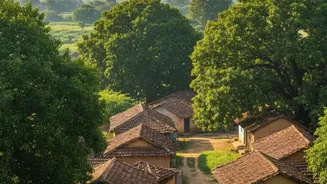
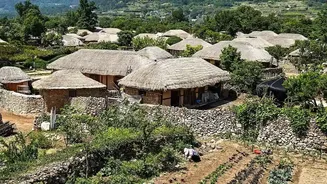
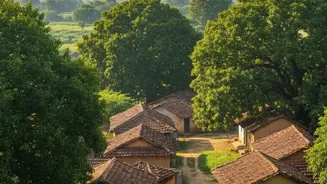
Arriving at a village homestay is profoundly different from a hotel check-in. Instead of a formal lobby, you are often welcomed directly into a family's home, which may be a simple, clean structure made with traditional materials like mud bricks and clay. The Chhattisgarh government has actively promoted this model through its Homestay Policy, empowering local families to become tourism entrepreneurs and ensuring visitors receive a genuine welcome. This initiative helps channel tourist spending directly into the rural economy, supporting households and self-help groups. The experience is immediately more personal, built on human connection rather than commercial transaction. Hosts often share stories and make you feel like a guest in their community, not just a customer.
Living the Local Rhythm
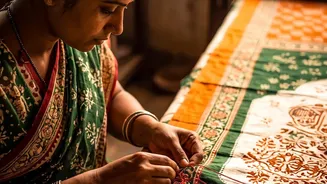
A day in a village stay is dictated by the sun and seasons. Visitors are often invited to participate in, or at least observe, daily activities. This could mean a morning walk through verdant paddy fields, learning about the crops that sustain the community, or visiting a bustling weekly market, known as a 'haat', where tribes from the surrounding areas gather to trade goods. Some homestays offer opportunities to learn traditional crafts firsthand. In the Bastar region, for instance, you might see the intricate process of Dhokra (bell metal) art, a lost-wax casting technique that has been practiced for generations. Evenings might be spent sharing a simple, delicious meal cooked with local ingredients or listening to folk tales and music under the stars.
Art, Culture, and Conversation
The true 'grounded insight' comes from the unscripted moments of cultural exchange. It's in the shared smiles, the patient explanation of a local custom, and the stories behind the art. In regions like Kondagaon, celebrated as a 'craft city', you can connect with artisans from the Ghadwa community and understand how their creations are inspired by nature, mythology, and daily life. These interactions dismantle the barrier between 'tourist' and 'local'. You learn that the beautiful Dhokra sculpture you admire is not just an object but a story passed down through generations. Visitors might even join a workshop to try their hand at jewellery making or wax sculpting, creating a personal connection to the region’s rich artistic heritage.
A Journey That Gives Back
Choosing a village stay is about more than just a unique holiday; it’s a form of sustainable and responsible tourism. This model provides a vital source of income for rural and tribal communities, creating local employment and reducing the need for migration to cities. It empowers communities to preserve their cultural heritage and environment because they have a direct economic stake in doing so. For the visitor, the reward is an authentic experience that fosters a deeper appreciation for a way of life that is both simple and rich. You leave not just with souvenirs, but with memories of people and a profound understanding of the culture you were briefly a part of.