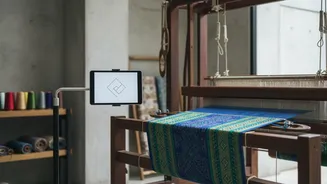








A Hub for Heritage and Tech
A key development is the recent inauguration of the Centre of Excellence for Handloom Technology (CoE-HT) at IIT Delhi. Launched on August 3, 2026, by the Union Textiles Minister, this center represents a significant government effort to modernize the sector.
The goal is to merge India's rich weaving traditions with advanced technology to build a future-ready handloom ecosystem. The CoE-HT will serve as a national hub for research and innovation, bringing together academics, industry experts, startups, and weavers themselves. The focus is on practical solutions, from loom modernization to developing AI-enabled tools and creating a digital repository of handloom knowledge.
Practical Research in Action
The practical research emerging from these initiatives directly addresses the daily challenges weavers face. One major area is loom modernization and ergonomics, which aims to reduce the physical strain of weaving and increase productivity without replacing the artisan's skill. Another focus is sustainability, with research into eco-friendly dyeing processes and systems to monitor environmental impact. Digital tools are also at the forefront. AI-powered platforms are being developed to help weavers with design innovation by analyzing market trends while preserving traditional motifs. Furthermore, mobile apps like 'Handloom 4.0' are being introduced to help monitor loom productivity and quality, providing weavers with valuable data.
From Hackathons to Solutions
To spur innovation, the Ministry of Textiles has been actively collaborating on events like the Handloom Hackathon. The second edition, themed 'Weaving Innovations', recently concluded at IIT Delhi, attracting over 2,500 participants. The event challenged teams to create technology-led solutions for loom modernization, digital market access, and weaver livelihoods. The winning ideas included AI-enabled platforms, eco-friendly dyeing systems, and tools to improve market access, showcasing the creative potential of combining tech with tradition. These hackathons serve as a crucial bridge, connecting the country's youth and tech talent with the heritage sector to generate scalable solutions.
Empowering Weavers, Not Replacing Them
A core principle of these initiatives is to empower weavers by augmenting their skills, not automating them away. The goal is to enhance livelihoods, improve productivity, and ensure fair compensation. Technology helps by connecting weavers directly to consumers through e-commerce platforms like the Indian Handmade Portal, bypassing middlemen and increasing income. Other innovations, such as using QR codes for traceability, provide authenticity and tell the story behind each product, adding value for conscious consumers. Training is also a key component, with programs designed to build digital literacy among artisans, helping them manage everything from inventory to online sales.
A New Digital Weave for the Future
These tech interventions are more than just upgrades; they represent a strategic vision for the future of Indian handlooms. Initiatives like 'HandloomX', an accelerator for startups, and 'Kalagriha Handloom Studio' for next-generation consumers, aim to build a robust and modern ecosystem. The idea is to make the profession more attractive to younger generations by reducing drudgery and opening up new opportunities. By transforming recycled materials and integrating circular practices, the sector is also aligning with global demands for sustainability. This blend of heritage and innovation aims to ensure that India's handloom story continues to be woven for centuries to come, thread by digital thread.