



The Real Root of the Problem
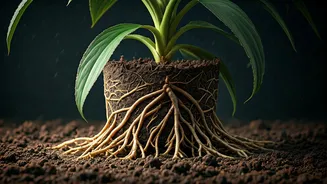
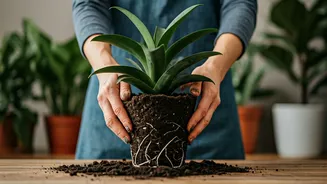
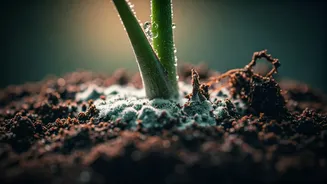
So, why the sudden focus on something as basic as drainage? Because a surprising number of plant deaths can be traced back to this one issue: root rot. When water sits at the bottom of a pot with nowhere to go, the soil becomes waterlogged. Plant roots
need oxygen to survive and function, but soggy soil suffocates them. These oxygen-starved roots begin to die and decay, turning brown and mushy. This rot can then spread to healthy roots, eventually leading to a wilted, yellowing plant, even when the soil feels moist. Essentially, without proper drainage, your plant can't breathe, drink, or absorb nutrients effectively.
The Great Debate: To Drill or Not to Drill?
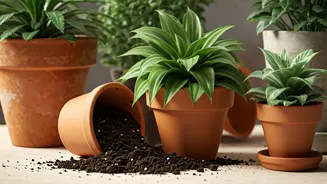
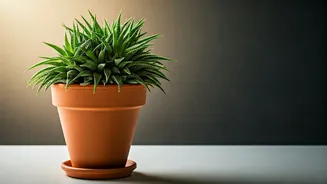
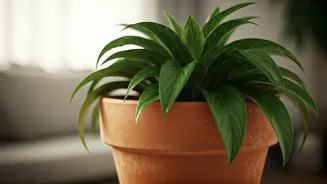
The simplest and most effective way to guarantee good drainage is to use a pot with holes in the bottom. These holes allow excess water to escape freely every time you water. But what about that beautiful ceramic pot you found that has no holes? While it's tempting to plant directly into it, you're creating a high-risk environment for root rot. The safest solution is a method called "double potting." Keep your plant in its plastic nursery pot (which has plenty of drainage) and place it inside the decorative pot, which then acts as a stylish sleeve. When it's time to water, you can simply remove the inner pot, water it thoroughly in a sink, let it drain completely, and then place it back in its decorative home.
Myth-Busting: That Layer of Rocks Is Hurting, Not Helping
For generations, gardeners have been told to add a layer of gravel or rocks to the bottom of pots to improve drainage. This is one of the most persistent gardening myths, and it actually makes things worse. Adding a layer of coarse material beneath fine soil creates something called a "perched water table." Instead of flowing through to the rocks, water stubbornly collects in the soil just above the gravel layer until the soil is completely saturated. This effectively raises the waterlogged zone, pushing it closer to your plant's roots and increasing the risk of rot. The best approach is to fill the entire pot with a suitable potting mix and let the drainage hole do its job.
Choose Your Soil Wisely
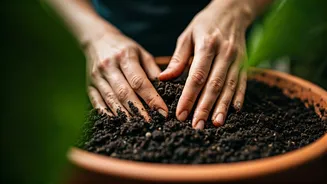
Drainage isn't just about the pot; it's also about the soil. A good potting mix is designed to strike a balance between retaining enough moisture for the plant and allowing excess water to drain away. Standard potting soil can often be improved by adding materials that create air pockets. Ingredients like perlite (small white volcanic glass), pumice, or orchid bark increase aeration and help water flow through more easily. Different plants have different needs; succulents and cacti require a much sandier, faster-draining mix than tropical plants like ferns, which prefer soil that stays more consistently moist.
The Right Way to Water
When your plant is in a pot with good drainage, it changes how you should water. Forget giving it just a little sip. The best practice is to water thoroughly until you see water running freely from the drainage holes. This ensures that the entire root ball is evenly hydrated, which encourages deep and healthy root growth. After a thorough watering, make sure to empty the saucer or cachepot beneath it. Allowing a plant to sit in a puddle of runoff water completely negates the benefit of having drainage holes in the first place and is a direct invitation for root rot.