

Swap White Rice for Millets
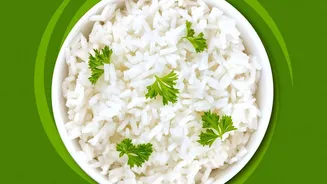
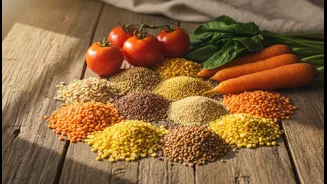
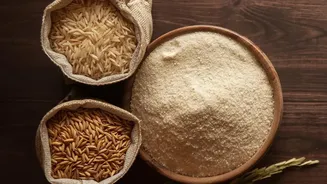
White rice is a staple in many Indian households, but it's a refined grain stripped of its most nutritious parts. A fantastic and traditional alternative is the family of millets, such as jowar (sorghum), bajra (pearl millet), and ragi (finger millet).
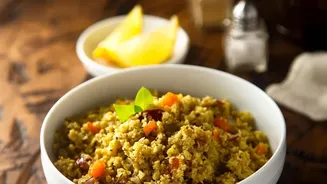
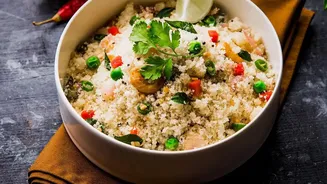
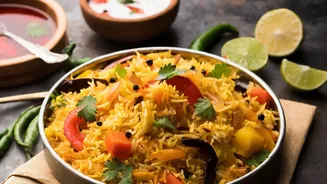
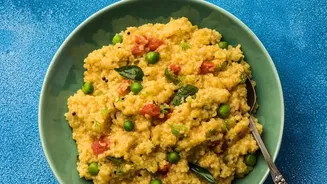
Millets are nutritional powerhouses, generally containing more fibre, protein, vitamins, and minerals than polished white rice. The high fibre content aids in better digestion, helps you feel full for longer, and supports more stable blood sugar levels, making them a great choice for weight management and overall health. Millets are incredibly versatile and can be used to make everything from rotis and dosas to khichdi and pulao, seamlessly integrating into your daily meals. They are also hardy crops, often making them an affordable and sustainable choice.
Choose Whole Wheat Atta Over Maida
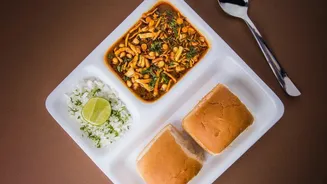
Refined flour, or maida, is found in everything from naan and bhature to biscuits and cakes. However, the refining process removes the wheat grain's fibrous bran and nutrient-rich germ. The simplest swap is to stick to whole wheat atta, which is made from the entire grain. Atta is significantly richer in dietary fibre, which is crucial for good digestion and preventing constipation. Its lower glycaemic index compared to maida means it releases sugar into the bloodstream more slowly, providing sustained energy and making it a healthier option for everyone. While both flours have similar calorie counts, the nutritional quality of atta is far superior because those calories come packed with fibre and micronutrients. For most daily cooking, from rotis to parathas, whole wheat atta is the clear winner for health.
Replace Potatoes with Sweet Potatoes
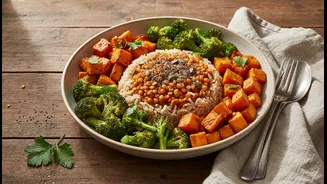
Potatoes are a beloved and versatile vegetable, but their starchy cousin, the sweet potato (shakarkandi), offers a slight nutritional edge. Sweet potatoes generally contain more dietary fibre and have a lower glycaemic index, which helps prevent sharp spikes in blood sugar. This makes them particularly beneficial for sustained energy and feeling fuller for longer. Furthermore, sweet potatoes are exceptionally rich in Vitamin A, an important antioxidant. They are just as versatile as regular potatoes and can be roasted, boiled, mashed, or added to curries and sabzis, often bringing a subtle, natural sweetness to dishes. While both vegetables can be part of a healthy diet, swapping in sweet potatoes a few times a week is an easy way to boost your fibre and vitamin intake.
Use Dalia or Oats Instead of Suji
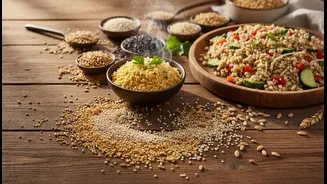
Suji (semolina) is a common ingredient for breakfast dishes like upma and halwa. While it's a quick-cooking grain, alternatives like dalia (cracked wheat) and oats offer more significant health benefits. Dalia, being a whole grain, is rich in fibre and essential nutrients. It is known for keeping you full and energised for hours and has been a part of traditional Indian diets for centuries. Oats are another excellent option, particularly celebrated for their high content of a soluble fibre called beta-glucan, which is known to help manage cholesterol levels. Both dalia and oats have a low glycaemic index, which is beneficial for blood sugar control. They can be prepared as savoury upmas and khichdis or as sweet porridges, making them highly versatile breakfast swaps.
Opt for Jaggery Instead of Refined Sugar
Refined white sugar offers empty calories with no nutritional benefits. Jaggery, or 'gur', is a traditional and unrefined sweetener that retains more nutrients during its processing. While the calorie count is similar to sugar, jaggery contains trace amounts of iron, potassium, and magnesium. It is often considered better for digestion and is traditionally consumed after meals. Though it is still a form of sugar and should be used in moderation, it is a nutritionally superior choice when you need to add sweetness to your food or drinks. Its rich, earthy flavour also adds a unique depth to traditional Indian sweets and beverages.