





The Social Media Time Machine
The single biggest engine driving this revival is the relentless churn of short-form video content on platforms like Instagram Reels and YouTube Shorts. The algorithms that power these apps are designed to promote content that triggers an immediate emotional
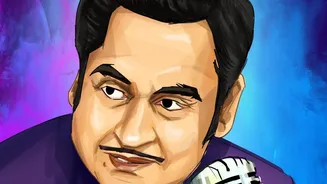
response, and nothing does that faster than a familiar melody. These platforms have given a second life to songs from the 80s, 90s, and early 2000s, turning 30-second clips into powerful vehicles for music discovery. A snippet of a classic Kishore Kumar track or a Udit Narayan ballad can go viral overnight, introducing it to a generation that wasn't even born when it was first released. This has created a feedback loop where creators use trending retro audio to get more views, which in turn makes the songs even more popular.
A Hunger for Authenticity
For many younger listeners, the turn to older music is also a reaction to the perceived homogeneity of some contemporary tracks. There's a growing sentiment that much of today's new music is engineered for virality, with a focus on catchy but often repetitive hooks designed to fit a 30-second reel. In contrast, older songs are often seen as possessing greater lyrical depth, emotional honesty, and richer instrumentation. Young listeners describe old songs as having a 'maahol' or atmosphere that feels more authentic and less processed. This desire for a more 'human' sound has led them to explore the back catalogues of artists from Hemant Kumar to Mohammed Rafi, finding a timeless quality that resonates deeply. According to a 2023 Spotify report, the 18-24 age group saw the highest growth in listening to Hindi music from the 50s and 60s.
Nostalgia for a Time Not Lived
Interestingly, this trend isn't just about people reliving their own youth. Gen Z is experiencing a kind of second-hand nostalgia, connecting with the music their parents grew up with. This creates a powerful bridge between generations, turning shared playlists into a new form of family bonding. Hearing a song that was a favourite of their parents on a road trip gives the music an emotional weight that new tracks can't replicate. For some, listening to retro music also offers a unique identity within their friend groups, setting them apart from mainstream trends. The universal themes of love, heartbreak, and hope found in these classics, from 'Mere Mehboob Qayamat Hogi' to 'Abhi Na Jao Chhod Kar', prove to be universally relatable, regardless of one's birth year.
The New Lifecycle of a Song
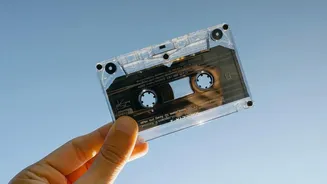
The accessibility of music has fundamentally changed. In the past, discovering an old song meant searching for a physical cassette or waiting for it to play on the radio. Today, entire discographies are available at our fingertips on streaming services like Spotify and YouTube Music. One viral reel can send thousands of new listeners to the original song, which they can then add to their personal playlists. Music labels have taken note. Tips Music, a label with a vast 90s catalogue, has reported that its older repertoire is performing exceptionally well, with some songs generating billions of views on social platforms decades after their release. This digital afterlife means that a song's popularity is no longer tied to its release date; a classic can be resurrected and trend alongside the latest Arijit Singh hit at any moment.