





Why 'Too Much Good' Is Bad
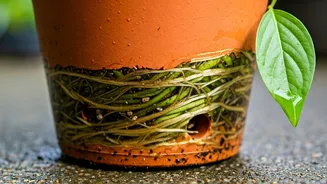
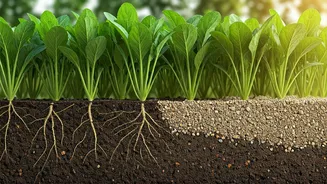
We assume that more water is always better for plants, but that’s a dangerous myth. Plant roots don't just need water; they need oxygen to breathe and absorb nutrients. When soil becomes saturated with water, the tiny air pockets that normally hold oxygen are
filled up. This essentially suffocates the roots. Without oxygen, the root cells begin to die, leading to a condition called root rot. The plant is unable to take up water or nutrients, which is why a plant in waterlogged soil can look like it's wilting from thirst—a cruel irony. This oxygen-deprived environment also becomes a breeding ground for harmful fungi and bacteria that thrive in anaerobic (oxygen-free) conditions, further attacking the weakened root system.
Spotting the Telltale Signs
The effects of waterlogging aren't always immediate, which is why it’s a 'hidden' villain. But if you know what to look for, you can intervene before it's too late. The most common sign is yellowing leaves (chlorosis), especially on the lower parts of the plant, which then start to drop. The plant might look wilted or droopy despite the soil being wet. You may also notice stunted growth, with new shoots or leaves failing to develop. In severe cases, you might see a dark, mushy decay at the base of the stem. If you gently check the soil, it might have a sour, unpleasant smell, a clear indicator of anaerobic decay happening beneath the surface. For potted plants, water pooling on the surface long after watering is a major red flag.
First Aid for Your Garden Beds
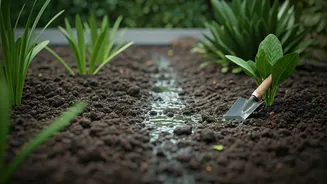
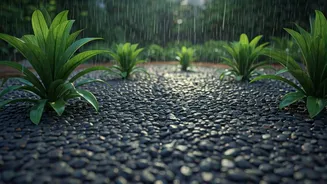
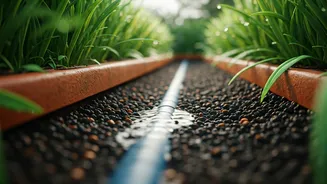
If your garden beds are suffering, immediate action is key. The first step is to stop watering! Let the soil dry out as much as the weather permits. To improve drainage in the long run, incorporate organic matter like compost, coco-peat, or well-rotted manure into the soil. This improves the soil structure, creating larger particles and more air pockets. For low-lying areas that consistently collect water, consider creating raised beds. By elevating the planting area by just 6-12 inches, you give the roots a much better chance of staying above the saturated zone. Another simple trick is to gently aerate the soil around your plants with a garden fork, being careful not to damage the main root ball. This creates temporary channels for air to enter the soil.
Saving Your Potted Plants
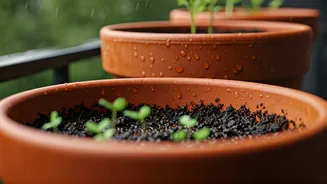
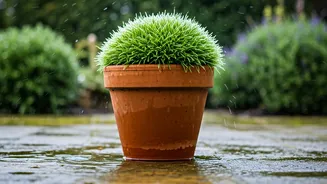
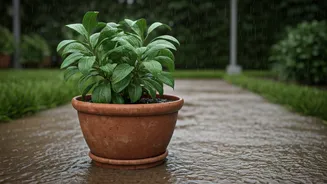
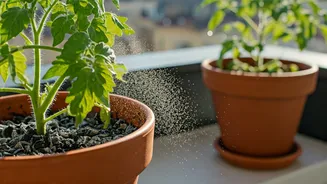
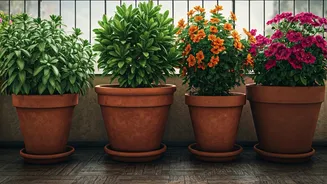
Container gardens are particularly vulnerable to waterlogging. Your first line of defence is the pot itself. Ensure every pot has adequate drainage holes at the bottom—and that they aren't blocked. If a plant is suffering, gently tip it out of its pot. If the soil is a soggy, dense mass, you may need to repot it into a fresh, well-draining potting mix. A good mix for the rainy season includes soil, compost, and a generous amount of perlite or sand to improve porosity. When placing pots outdoors, consider raising them slightly off the ground on 'pot feet' or bricks. This allows excess water to drain freely and prevents the pot from sitting in a puddle.
Choose Your Plants Wisely
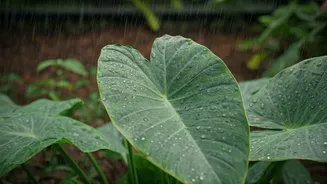
Prevention is always better than cure. When planning your garden, consider the local conditions. If you have an area that is prone to waterlogging, don't fight it—work with it. Choose plants that are more tolerant of wet feet. Many beautiful Indian native plants are adapted to monsoon conditions. Think of canna lilies, hibiscus, elephant ears (colocasia), or spider lilies. For your vegetable patch, root vegetables like carrots and radishes are highly susceptible to rot, so plant them in raised beds or containers. On the other hand, leafy greens like amaranth might handle wetter conditions better. A little research before planting can save you a lot of heartache later.