




The Foundation: What Are They?
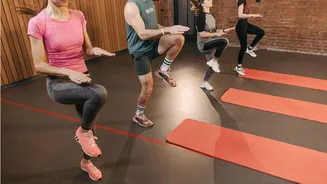
First, let's define our terms. Traditional aerobics is a form of cardiovascular exercise that involves rhythmic movements set to music. Think of classic step classes, dance fitness, or even brisk walking—any activity that uses large muscle groups in a repetitive
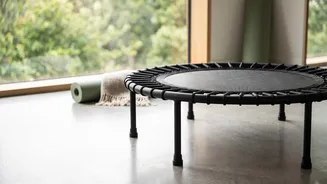
way to get your heart rate up. Trampolining, often called 'rebounding' when done on a mini-trampoline, is also a cardio workout but with a key difference: you're performing exercises on a bouncy, elastic surface. This changes the entire dynamic of the workout, from how it feels to how your body responds.
The Impact Factor: A Question of Joints
This is perhaps the biggest differentiator between the two. High-impact aerobics, like running or intense dance classes, can put significant stress on your knees, hips, and ankles. While low-impact versions exist, trampolining is inherently gentle on the body. The elastic surface of the rebounder absorbs the majority of the force from each jump. Studies have shown that rebounding can reduce the impact on joints by up to 80% compared to running on a hard surface. This makes it an excellent choice for individuals with joint pain, those recovering from injury, or anyone looking for a sustainable, long-term fitness routine without the associated wear and tear.
Cardiovascular Health and Calorie Burn
Both activities are fantastic for your heart. They elevate your heart rate, improve circulation, and boost your overall cardiovascular endurance. Interestingly, some research, including a famous NASA study, found that rebounding can be more efficient than running, suggesting 10 minutes of bouncing could offer similar cardiovascular benefits to a 30-minute run. When it comes to burning calories, the numbers are comparable and depend heavily on your intensity and body weight. A high-energy step aerobics class can burn a significant number of calories, as can an intense rebounding session. Some estimates place a moderate rebounding workout in the range of 250 to 400 calories per hour, but this can easily increase with higher intensity.
Muscle Engagement and Tone
Aerobics classes are often designed to work the entire body, with choreographed movements targeting the legs, glutes, core, and arms. Trampolining, however, offers a unique form of full-body engagement. Every bounce forces your core and stabiliser muscles to fire constantly to maintain balance on an unstable surface. This means you are strengthening your deep core, pelvic floor, and back muscles without even thinking about it. While aerobics builds strength through specific moves, rebounding builds it through constant, reactive stabilization, engaging over 400 muscles with every session.
Beyond the Physical: Fun and Other Benefits
Exercise adherence is often tied to enjoyment. For many, the playful, almost childlike joy of bouncing on a trampoline makes it feel less like a chore and more like fun, which can be a powerful motivator. Rebounding also has a unique benefit related to the lymphatic system. This system, which is crucial for immune function and detoxification, doesn't have its own pump and relies on body movement to circulate fluid. The up-and-down motion of bouncing is believed to be exceptionally effective at stimulating lymphatic drainage.
The Verdict: Which Is Right for You?
There is no single 'better' option—only the one that is better for you. If you love the structure, rhythm, and social energy of a group class and have healthy joints, aerobics is a time-tested and effective choice. You can do many forms of it with no equipment at all. If you need a low-impact workout that is gentle on your body but still highly effective for cardio and strength, trampolining is a superior option. It's particularly beneficial for those with joint concerns or anyone looking to build core strength and balance in a fun, dynamic way. A mini-trampoline does require an initial investment and some space, but it offers the convenience of an effective at-home workout anytime.