


The New Rules of Snacking
A quiet revolution is happening in India’s kitchens and shopping carts. While the love for a quick bite between meals is a timeless Indian habit, the definition of what makes a good snack is rapidly changing. Consumers are no longer content with just
taste and affordability; they are now demanding nutritional value. This shift is reshaping India's massive packaged snack market. According to market research, the Indian healthy snacks market is growing significantly faster than the global average, with some estimates projecting it will reach nearly USD 5 billion by 2032. This growth isn't just a niche trend among the elite but a widespread movement driven by rising health consciousness, increased disposable incomes, and the hectic pace of modern urban life. Consumers are actively reading labels and seeking out snacks that offer functional benefits, from boosting energy to supporting immunity.
What 'Healthy' Means to the Indian Snacker
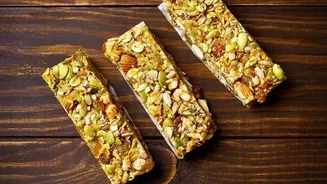
The term 'healthy' isn't just a vague marketing buzzword anymore; it comes with specific consumer expectations. The new preference is for snacks that are baked, roasted, or air-fried, not deep-fried. There is a strong movement towards 'clean labels', with a majority of consumers preferring products with natural ingredients and no artificial preservatives. This has fueled immense popularity for snacks made from traditional, nutrient-dense grains like millets (ragi, jowar, bajra), which are seeing a massive resurgence. Government initiatives promoting millets have also helped accelerate this trend, with sales of millet-based packaged foods showing explosive growth in recent years. Nuts, seeds, and fruit bars are another dominant category, valued for their high protein and fibre content. Essentially, consumers are looking for snacks that are minimally processed and rooted in familiar, trusted ingredients.
Convenience Remains Non-Negotiable
While nutrition is the new priority, convenience remains king. The modern Indian consumer, juggling a busy schedule, does not have the time for complicated food preparation. This is where the synergy between health and convenience becomes crucial. The demand is for on-the-go formats: single-serving packs, ready-to-eat products, and bars that can be easily carried in a bag. The boom in the direct-to-consumer (D2C) space and the rise of quick commerce platforms like Blinkit, Zepto, and Instamart have been game-changers. These platforms have made it incredibly easy for consumers to discover and purchase from a new wave of health-focused brands, often getting them delivered in minutes. This digital infrastructure allows even smaller, regional brands to reach a national audience, bypassing traditional retail bottlenecks and connecting directly with health-conscious buyers.
Startups and Legacy Brands Answer the Call
This consumer-led demand has created a dynamic and competitive market. A host of innovative D2C startups have emerged as front-runners, capturing the attention of the modern snacker. Brands like The Whole Truth, Yoga Bar, Farmley, and Open Secret have built their identity on ingredient transparency and clean-label promises. They are effectively using digital platforms to tell their brand story and build trust with consumers who are wary of misleading health claims. At the same time, legacy food companies are not standing still. Many are actively reformulating their existing products to reduce salt, sugar, and fat, while also launching new product lines dedicated to healthier snacking. This includes introducing baked versions of popular chips and incorporating healthier ingredients like multigrain flour and millets into their portfolios to stay relevant.