







More Than Just a Holiday at Home
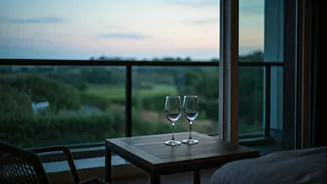
First, let's be clear: a staycation isn't just about lazing on your own sofa. In the Indian context, it has evolved into a deliberate mini-vacation in or near your own city. [10] Think checking into a boutique hotel for a weekend, driving to a quiet heritage
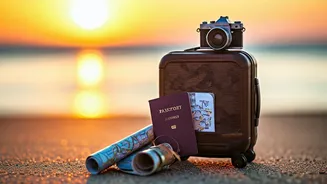
property a few hours away, or booking a villa with a pool for a quick escape from the urban grind. [8] It’s the thrill of a holiday—room service, fresh scenery, no chores—without the stress of airports, long leave applications, or complicated itineraries. [8, 10] For India's young, restless, and digitally connected workforce, it's the perfect solution to the desire for frequent breaks. [8]
The Post-Pandemic Push and the 'Workation' Wave
The COVID-19 pandemic was a major catalyst, shifting perspectives towards safer, car-based local escapes. [8] But even as travel has normalised, the habit has stuck. A huge driver is the revolution in work culture. The rise of hybrid and remote work models has untethered young professionals from their desks. [15] This has fueled the 'workation'—blending work with leisure by logging in from a resort in the hills or a beachside cottage. [2] Many now prefer working amidst natural settings, turning hotels and homestays into temporary offices with much better views. [15, 17] This flexibility allows for longer stays and a better work-life balance without waiting for annual leave. [15]
A Smart Choice for the Wallet and Mind
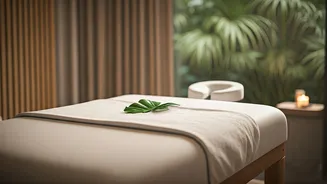
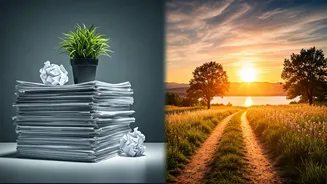
Staycations are an economically savvy choice. By cutting out expensive flights and long-distance travel, they make getaways more frequent and affordable for millennials and Gen Z, many of whom are at the start of their careers. [10] This financial flexibility allows for splurging on local experiences, from gourmet food to unique activities. [10] Beyond the budget, there's a strong wellness component. Faced with digital overload and corporate burnout, young Indians see staycations as essential for mental health. [2, 4] These quick trips serve as a mental 'detox' or a 'recharge' session, offering an escape from chaotic reality without the stress of extensive planning. [3, 10]
The 'Anti-Itinerary' Generation's New Groove
Recent survey data reveals that young Indian travellers, particularly Gen Z, are becoming an "anti-itinerary" generation. [13] A June 2026 report from Airbnb found that 87% of young travellers prefer trips lasting less than a week, and 70% would rather take three shorter trips than one long one. [12, 13] This generation books spontaneously, often just days in advance, and values unique, personal experiences over ticking off tourist landmarks. [13] For them, the accommodation itself is often the destination. A recent survey highlighted that over half of young travellers opted for heritage properties in the last year, drawn by their unique architecture and cultural stories. [7, 11] The focus is on finding a place that matches their personal taste, be it a quiet room with a great balcony or a homestay near a local market. [13]
Crafted for Connection and the Camera
In the digital age, social media undeniably shapes travel choices. For many young travellers, the aesthetic appeal of a destination is crucial, with about 28% citing "Instagrammable" moments as an important factor in their decision-making. [11] Heritage properties, chic boutique hotels, and serene nature retreats offer the perfect backdrop. [7] But it’s not just about appearances. These trips are also about connection. Whether it's a weekend with friends, a solo retreat to unwind, or a family getaway, the privacy and comfort of villas and homestays are in high demand. [2, 8] These spaces offer a home-like feel with premium hospitality, providing the right environment to relax and reconnect. [2]