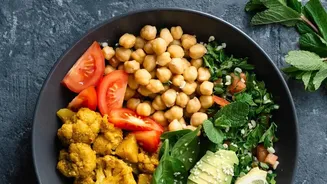




Understanding Vrat-Friendly Foods
Sawan fasting, or vrat, involves following a sattvik diet, which is pure, simple, and calming for the body and mind. This means temporarily saying goodbye to regular grains like wheat and rice, lentils, non-vegetarian items, onions, and garlic. Instead,
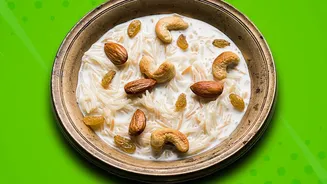
the focus shifts to a special pantry of ingredients. These include vrat-friendly flours like kuttu (buckwheat), singhara (water chestnut), and rajgira (amaranth). Sabudana (tapioca pearls) and samak rice (barnyard millet) become the primary starches. For seasoning, regular table salt is swapped for sendha namak, or rock salt. The diet is supplemented with dairy products like milk, curd, and paneer, along with a variety of fruits, nuts, and specific vegetables such as potatoes, sweet potatoes, and bottle gourd.
Building a Balanced Fasting Plate
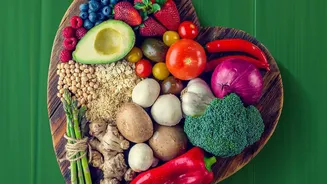
The key to staying energised is balance. Many traditional fasting foods are heavy on carbohydrates and fats, which can lead to bloating and weight gain. To avoid this, ensure every meal includes a source of protein and fibre. Paneer, peanuts, rajgira, and makhana (fox nuts) are excellent protein sources that keep you full and maintain muscle health. Pair your kuttu ki puri with a side of yogurt or a simple paneer dish instead of just a potato curry. Include plenty of fruits and vegetables like cucumber and tomato in the form of salads to get essential vitamins and fibre. A handful of mixed nuts and dry fruits like almonds, walnuts, and raisins can serve as a perfect mid-meal snack to provide sustained energy.
Smart Swaps for Healthier Vrat Meals
A common mistake during Sawan is over-indulging in deep-fried snacks. While a plate of crispy sabudana vadas is tempting, these high-calorie foods can leave you feeling sluggish. Instead of deep-frying, try baking, air-frying, or lightly pan-frying your tikkis and vadas. Swap sugary, store-bought drinks and packaged snacks for natural, homemade alternatives. Instead of consuming too much sugar, which can spike insulin levels, opt for the natural sweetness of fruits, dates, or a small amount of honey or jaggery. Roasted makhana makes for a fantastic crunchy snack, far healthier than a bag of potato chips. These simple swaps help you enjoy traditional flavours without compromising your health.
The Critical Role of Hydration
Fasting is not just about the food you eat, but also about what you drink. Dehydration is a common issue that can lead to headaches, fatigue, and dizziness. It's crucial to sip on water throughout the day. If plain water feels monotonous, you can include other hydrating fluids like coconut water, homemade buttermilk (lassi), and fresh fruit juices without added sugar. These drinks not only replenish fluids but also provide essential electrolytes to keep you feeling fresh and active. Avoid packaged juices as they are often loaded with sugar and preservatives.
A Sample One-Day Meal Plan
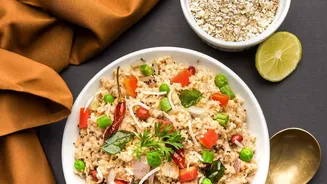
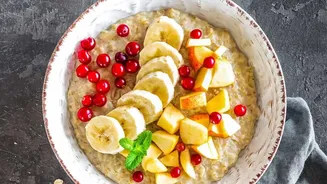
To put it all together, here is a simple, balanced meal plan for a fasting day: Early Morning: Start your day with a glass of warm water with lemon or a handful of soaked almonds to kickstart your metabolism. Breakfast: A bowl of mixed fruits like banana, apple, and pomegranate, along with a glass of milk or a banana-almond smoothie. Lunch: A satisfying plate of sabudana khichdi loaded with peanuts or a couple of rajgira parathas with a bowl of yogurt and a simple lauki (bottle gourd) sabzi. Evening Snack: A cup of tea with a bowl of roasted makhana or a small fruit chaat. Dinner: Keep it light with a bowl of samak rice pulao with vegetables or a simple paneer curry. Many prefer to break their fast after evening prayers with just fruits and milk. Listen to your body and what works for you.
Common Fasting Mistakes to Avoid
The most significant error is confusing fasting with starving. Not eating for long hours can lead to overeating later, causing digestive distress. Another pitfall is loading up on fried and sugary vrat foods, which defeats the purpose of a sattvik diet. Portion control is just as important during fasting as it is on regular days. Lastly, remember that the fast is a spiritual practice. Combining mindful eating with prayer and meditation enhances the experience, making it purifying for both body and soul.