





From Plastic to Presence
A fundamental shift is underway in how young Indians, particularly millennials and Gen Z, express affection through gifts. For siblings, this means moving away from mass-produced, often disposable items and towards gifts that offer shared experiences
and genuine connection. This change is less about the price tag and more about the thought and emotional value behind the present. Instead of another gadget that will be outdated in a year, siblings are choosing to create memories together. The focus is shifting from what you own to what you've done, reflecting a broader cultural change where personal identity is increasingly tied to experiences rather than possessions.
The Eco-Conscious Connection
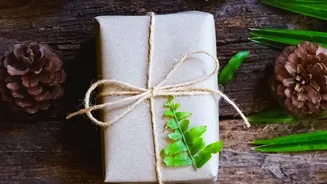
Environmental awareness is a significant driver of this trend. Growing up with the reality of climate change, young consumers are acutely aware of their environmental footprint. This consciousness directly influences their purchasing decisions, with a strong preference for sustainable and eco-friendly products. Research shows a significant majority of urban Indian consumers now consider 'green' credentials when shopping. This translates into rejecting gifts that contribute to plastic waste in favour of options that are reusable, biodegradable, or ethically produced. The choice is a conscious statement, reflecting a desire to care for the planet as much as they care for their sibling.
Valuing Memories Over Materials
Psychologically, the appeal of experiential gifts is powerful. Studies consistently show that experiences provide a longer-lasting happiness boost than material objects. While the thrill of a new item can fade, the memory of a shared adventure or learning a new skill together endures. Young Indians are increasingly investing in experiences like travel, workshops, and wellness retreats, viewing them as investments in personal growth and happiness. This mindset extends to gifting, where the goal is to foster a deeper bond. A weekend trek, a cooking class, or a joint subscription to a streaming service creates a shared story that strengthens the sibling relationship far more than a transactional gift ever could.
What Do These Gifts Look Like?
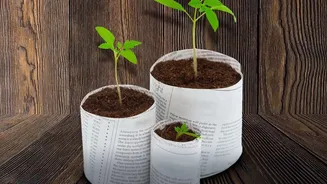
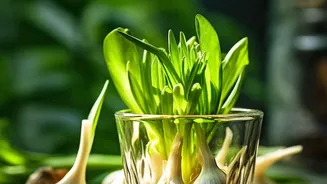
The category of 'green experiential gifts' is broad and creative. It can be as simple as gifting a plant, a set of reusable steel straws, or a starter kit for an indoor herb garden. Many are opting for curated hampers filled with organic, locally sourced products in reusable packaging like jute or cloth bags. Plantable stationery, which contains seeds that can be planted after use, is another popular choice that symbolizes growth and positivity. On the experience side, gifts can range from tickets to a concert or stand-up comedy show, a voucher for a pottery or painting workshop, or a planned weekend trip to a nearby eco-resort. Even a thoughtfully chosen wellness hamper with natural and handmade products can be an experience, promoting a ritual of self-care. The common thread is thoughtfulness and a low environmental impact.
A Shift Beyond a Trend
This move towards conscious gifting is more than a fleeting fad; it appears to be a permanent shift in consumer behaviour, especially among Gen Z, who make environmental considerations non-negotiable. Brands are responding, with a growing market for sustainable, artisanal, and experience-based products. As young Indians continue to prioritise authenticity, personal connection, and social responsibility, the way they celebrate their relationships will evolve too. The gift is no longer just an object but a message that communicates care for the recipient and the world they share.