





The Shift from Views to Values
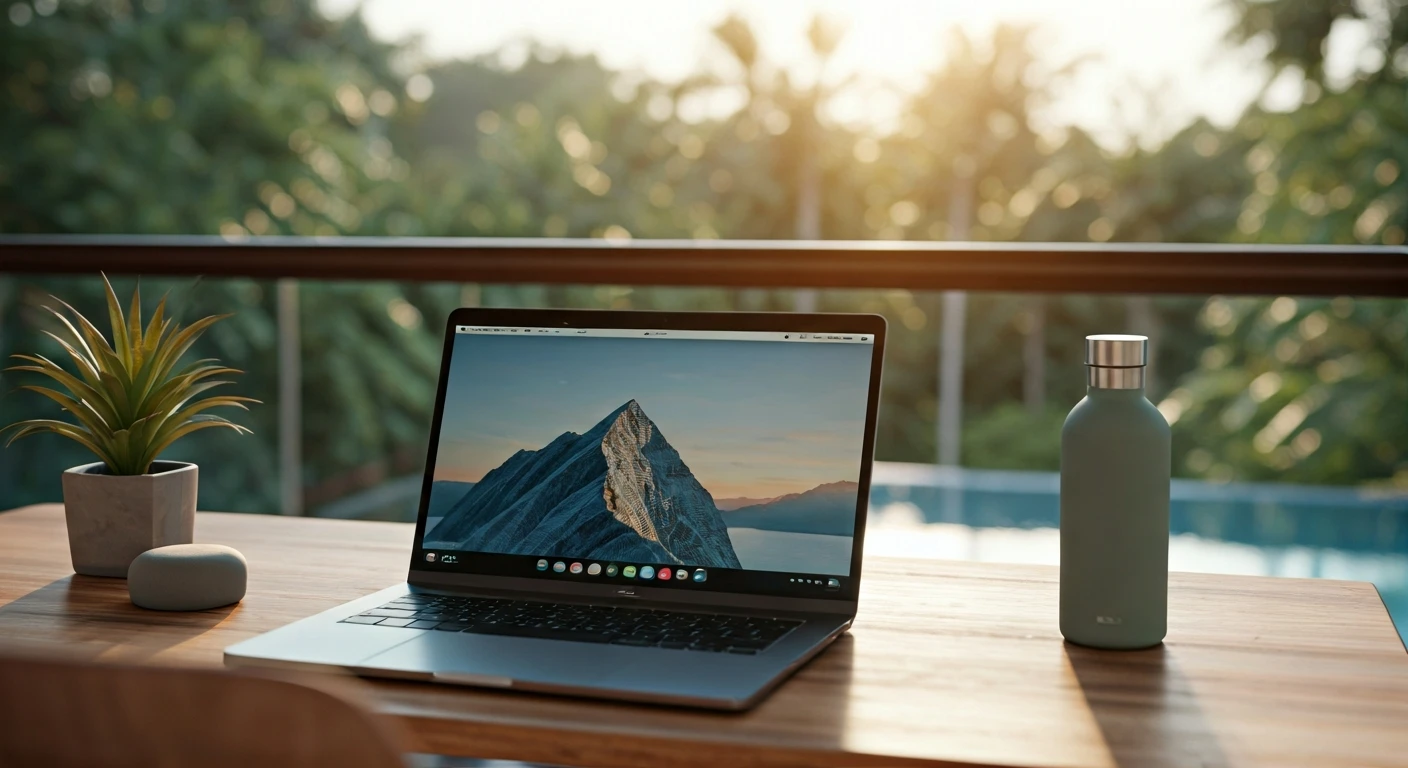
For years, hubs like Bali’s Canggu and Ubud have been magnets for remote workers from India and across the globe. The appeal was a blend of low living costs, vibrant culture, and stunning scenery. But a significant shift is underway. Today’s discerning
digital nomad is asking for more than just aesthetics and convenience; they are demanding sustainability. The search filters are no longer just for ‘fast Wi-Fi’ and ‘air conditioning,’ but for ‘eco-friendly,’ ‘sustainably built,’ and ‘green certified.’ This movement is reshaping the rental market, with developers and property owners racing to meet the demand for housing that aligns with a more conscious, responsible lifestyle. It’s a trend driven by a generation that understands its environmental footprint, even when working thousands of miles from a traditional home office.
Decoding 'Green Certified'
What does ‘green certified’ actually mean in the context of a Balinese villa or a Jakarta co-living space? It’s not just a marketing buzzword. The most prominent standard emerging in Indonesia is EDGE (Excellence in Design for Greater Efficiencies), an innovation of the World Bank's International Finance Corporation (IFC). A building with EDGE certification must demonstrate a minimum of 20% savings in energy, water, and the energy used to make its construction materials, compared to a standard local building. For a nomad, this translates into tangible benefits. It means living in a space with better insulation that stays cool without running the AC 24/7, lower utility bills on a month-long stay, and the knowledge that your rental choice supports resource efficiency in a region facing environmental pressures. Other local standards like Indonesia’s own ‘Greenship’ rating also contribute to this ecosystem.
Why Indonesia is the Epicentre
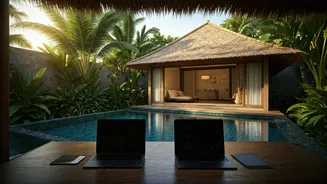
Indonesia, particularly Bali, is the perfect incubator for this trend. As one of the world's top destinations for remote work, it has a high concentration of an globally-aware demographic. The Indonesian government has also been actively promoting sustainable tourism and even launched a 'digital nomad visa' to attract long-term, high-value visitors. Developers see a clear business case: green-certified properties can command a premium, attract long-term tenants, and have lower operating costs. This has led to a boom in construction of architecturally beautiful, technologically smart, and environmentally sound properties in key areas like Uluwatu, Ubud, and the new quiet zones emerging beyond the bustle of Seminyak. This isn't a niche; it's becoming the new standard for premium nomad housing.
The Lived Experience
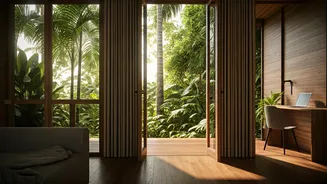
So, what is it like to live in one of these hubs? Beyond the lower electricity bills, the experience is often holistically better. These properties are designed with natural light and ventilation in mind, which improves well-being and productivity. Many are part of co-living communities that foster a sense of connection through shared spaces like communal kitchens, yoga shalas, and dedicated co-working areas. The focus on sustainability often extends to community practices, such as waste recycling programs, composting, and sourcing food from local organic farms. For nomads tired of transient, anonymous rentals, these green hubs offer a community built on shared values. It’s less about a temporary place to stay and more about plugging into a lifestyle that feels both indulgent and responsible.