



From Heirlooms to High Street
Not long ago, the idea of wearing a handwoven silk or a fine Jamdani on a regular Tuesday seemed almost radical. These fabrics were the stuff of ceremony, carefully preserved and passed down. However, that perception is rapidly changing. The line between
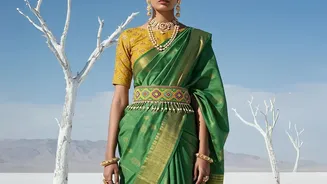
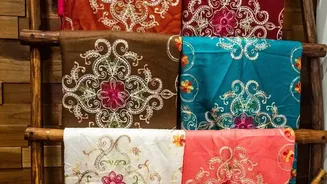
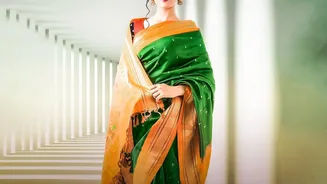
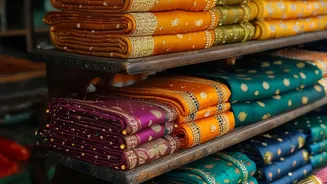
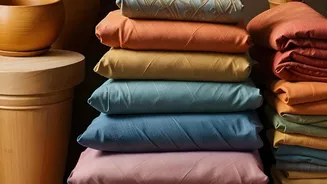
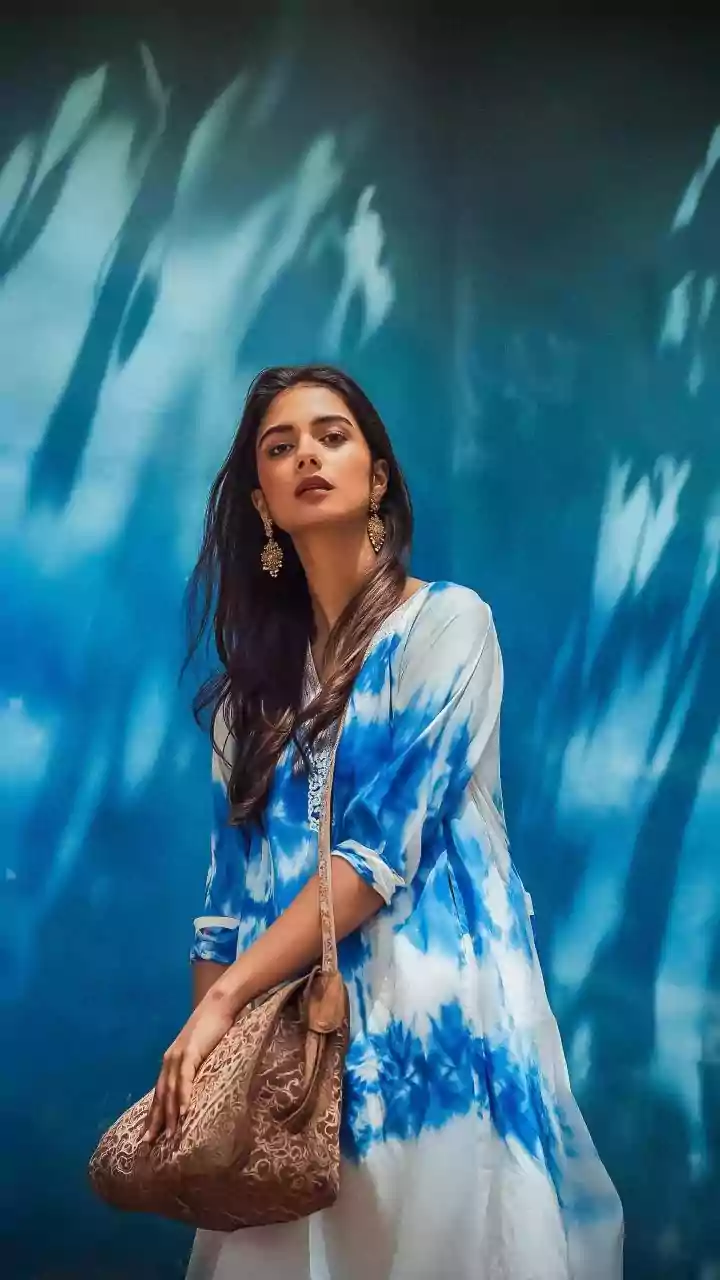
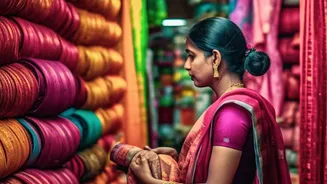
festive and daily wear has blurred, and at the center of this shift is a renewed appreciation for handloom. This is not about changing the core craft of weaving; it’s about changing how we connect with it. Consumers are increasingly seeking authenticity and a story behind their clothes, something fast fashion cannot provide. This has opened the door for textiles like Banarasi silk, Chanderi, and Ikat to be seen not as delicate relics, but as versatile, living fabrics perfect for a contemporary lifestyle.
The Sustainable and Conscious Consumer
A major force behind this revival is the global movement towards sustainable and ethical fashion. As shoppers become more aware of the environmental and social costs of mass-produced clothing, they are turning to alternatives that are kinder to the planet and its people. Handloom production, which uses manual looms, consumes minimal energy, often utilizes natural fibers and eco-friendly dyes, and generates very little waste. Choosing a handwoven garment is a conscious decision to support a more sustainable industry. This shift also empowers artisan communities, providing livelihoods for millions of weavers, many in rural areas, and ensuring that their centuries-old skills are preserved for future generations.
Designers Weaving a New Narrative
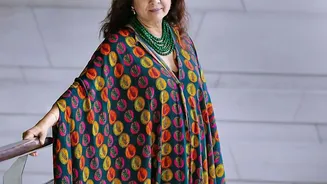
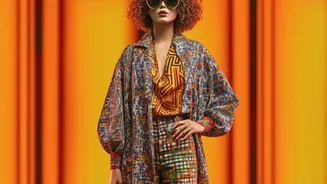
Indian designers are playing a pivotal role in this transformation. Labels like Raw Mango, known for its contemporary take on Chanderi silk, and Ekaya Banaras, which has made Banarasi weaves relevant for a new generation, are at the forefront. These designers are not treating textiles as static artifacts; they are making the fabric the hero. By collaborating with weaving clusters across the country, brands such as 11.11 / eleven eleven are re-engineering hand-spun textiles like Khadi into modern tailoring, jackets, and even denim. They are proving that heritage weaves can be both fashion-forward and deeply rooted in tradition. The focus is on creating silhouettes that modern women and men naturally gravitate towards: structured blazers, easy separates, fluid dresses, and playful co-ord sets.
Beyond the Saree: Modern Silhouettes Take Over
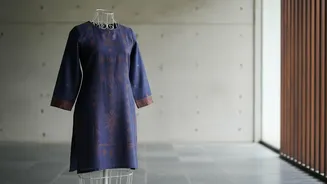
While the handloom saree remains an icon, its revival is most evident in the diversification of silhouettes. The barrier to everyday wear was often not the fabric itself, but the traditional cut. Today, designers are transforming these textiles into versatile, wearable pieces that fit seamlessly into a modern wardrobe. Imagine a structured jacket in Banarasi brocade paired with trousers, a relaxed-fit dress made from lightweight Maheshwari silk, or a sharp co-ord set in Pochampally Ikat. This fusion of traditional craftsmanship with contemporary forms makes the fabrics more accessible and practical for daily life, from the office to a casual brunch. Even styling has evolved, with handloom sarees themselves being paired with crop tops, jackets, and sneakers to create fresh, individualistic looks.