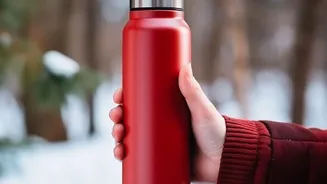








As temperatures drop, grabbing a glass of water might be the last thing on your mind. Yet, winter dehydration is a real risk. Cold, dry air and a blunted thirst signal mean we lose fluids without even realising it. Here’s how to stay on top of it.
The Sneaky Dehydration of Winter
You
might not be sweating like you do in May, but your body is still losing significant amounts of water. Every time you see your breath in the cold air, that's water vapour escaping from your body. Indoor heating also zaps moisture from the air and your skin. To make matters trickier, our body's thirst response is less active in the cold, so you might not feel thirsty even when your body needs fluids. This combination makes it easy to become mildly dehydrated, which can lead to fatigue, headaches, dry skin, and a weakened immune system.
Use a High-Tech Helper
For those who love a gadget, technology offers a simple solution. Smart water bottles can track your sips and glow to remind you when it's time to drink. Alternatively, a host of mobile apps can help you set and meet daily hydration goals. Apps like Waterllama, My Water, and Hydro Coach allow you to log your intake, set personalised reminders, and see your progress over time. Many of these apps can even sync with fitness trackers like a Fitbit or Apple Watch, integrating your hydration tracking into your overall health monitoring.
Go Low-Tech with a Bottle and Bands
You don't need an app to build a great habit. One of the simplest methods involves a regular one-litre water bottle and a few rubber bands. Decide how many bottles you aim to drink in a day—say, two. Put two rubber bands around your bottle in the morning. Each time you finish a bottle, remove one band. The visual cue of the remaining band is a simple, powerful reminder of your goal. You can also buy bottles with time markings printed on them, which portion out your water consumption throughout the day to prevent you from having to gulp it all down at night.
Eat Your Water Through Winter Foods
About 20% of our daily fluid intake comes from food, and you can make that work for you in winter. Comforting winter meals can be excellent sources of hydration. Soups, broths, and stews are packed with fluid and nutrients. In India, warm and hydrating options like rasam, sambar, and dal are perfect choices. Many winter fruits and vegetables are also high in water content. Oranges, apples, and pears are great hydrating snacks. Vegetables like cucumbers, celery, tomatoes, and leafy greens also contribute to your fluid needs.
Link Hydration to Your Daily Habits
One of the most effective ways to ensure you’re drinking enough is to 'habit stack'—linking your water intake to an existing daily routine. For example, drink a full glass of water right after you wake up, before every meal, or every time you brush your teeth. This removes the need to constantly remember or rely on willpower. Setting alarms on your phone or smartwatch for every hour can also serve as a simple, effective nudge to take a few sips regularly instead of playing catch-up at the end of the day.
Perform a Quick Colour Check
Your body provides one of the easiest tracking methods, and it’s completely free. The colour of your urine is a reliable indicator of your hydration status. If your urine is pale yellow or mostly clear, you are likely well-hydrated. If it is dark yellow or amber-coloured, it’s a clear sign that you need to drink more fluids. Keep in mind that some vitamins and medications can affect urine colour, but for most people, this is a quick and easy way to check in with your body and adjust your water intake accordingly.