





The Great Fibre Myth
For too long, fibre has been associated with boring, functional foods eaten out of necessity rather than for pleasure. This reputation is largely undeserved. Dietary fibre is a plant-based carbohydrate essential for regulating digestion, managing blood
sugar levels, and helping you feel fuller for longer. Experts recommend that most adults aim for 25 to 38 grams per day, but many of us get only about half that amount. The wonderful truth is that bridging this gap can be a delicious journey, not a chore. The secret lies in knowing where to find flavourful, fibre-packed ingredients and how to prepare them in ways that excite your palate.
Swap Your Grains, Not Your Meals
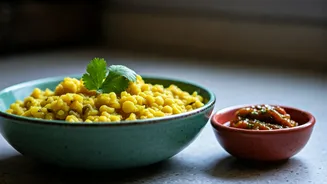
One of the easiest entry points to a tastier, high-fibre diet is through the grains you already eat. Instead of plain white rice, try brown rice, which offers more fibre and a nutty taste that pairs beautifully with Indian curries and sabzis. Better yet, explore the world of millets like jowar, bajra, and ragi. These can be used to make rotis, dosas, or even a hearty vegetable khichdi. Whole-wheat pasta is another simple switch; to avoid a chewy texture, simply cook it a couple of minutes less than the package directs. You can even start by mixing half white and half whole-grain to ease into the new texture.
Fall in Love with Legumes
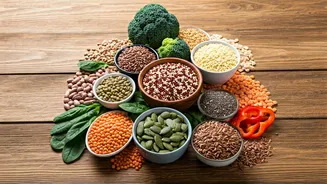
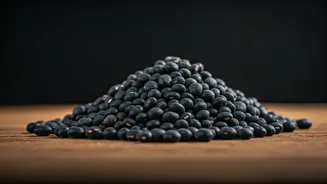
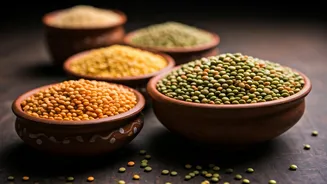
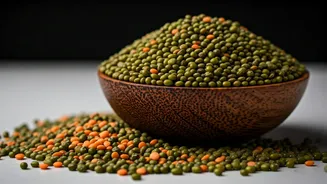
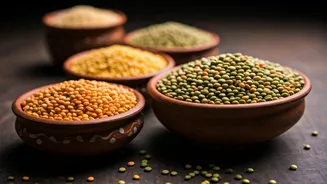
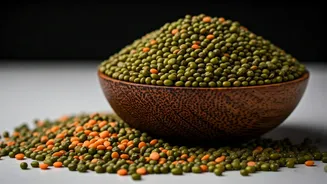
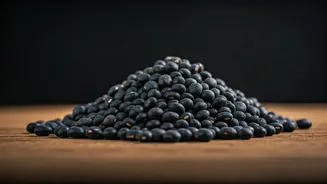
Legumes are a cornerstone of Indian cuisine and happen to be fibre powerhouses. Lentils, chickpeas, kidney beans, and black beans are loaded with fibre and protein, making them incredibly satisfying. A single cup of cooked lentils can provide over 15 grams of fibre. Think beyond a simple dal. Use chickpeas to make a creamy hummus or a crunchy roasted snack seasoned with your favourite spices. Add rajma or black beans to salads, or mash them into veggie burgers. They absorb flavour wonderfully, making them a versatile ingredient for flavour-packed meals.
The Sneaky Power of Fruits and Vegetables
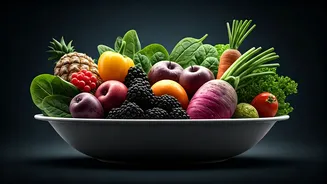
While it's no secret that fruits and veggies are good for you, some are surprisingly high in fibre. A medium pear, with its skin on, contains about 6 grams of fibre. Raspberries are also fibre superstars, with around 8 grams per cup. In India, guavas are an excellent and accessible choice, packing about 5 grams per 100g. For vegetables, don't just boil them. Roasting vegetables like broccoli, sweet potatoes, and carrots brings out their natural sweetness, completely transforming their flavour. Green peas, whether fresh or frozen, are another fantastic source and can be easily tossed into pulao, upma, or curries.
Embrace Nuts and Seeds
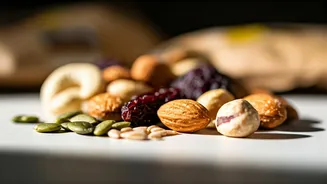
A small addition of nuts and seeds can make a big difference to your daily fibre intake. Just one tablespoon of chia seeds contains around 5 grams of fibre. They can be blended into smoothies, made into a pudding, or sprinkled over your morning oats or yoghurt. Almonds are another great choice for a crunchy, fibre-rich snack. Try making a homemade trail mix with a combination of nuts, seeds like flax or sunflower, and some dried fruit for a convenient and delicious snack that keeps you full between meals.
Simple Tricks for Maximum Flavour
The key to delicious high-fibre cooking is creativity. Cook grains like quinoa or barley in vegetable broth instead of water and add spices like cumin or garlic powder. When making sauces, blend in finely chopped vegetables like carrots or spinach for a hidden fibre boost. Don’t be afraid to use herbs and spices generously; they add flavour without compromising the health benefits. Even a simple squeeze of lemon juice or a garnish of fresh cilantro can elevate a dish from bland to brilliant.