





The City That Never Cools Down
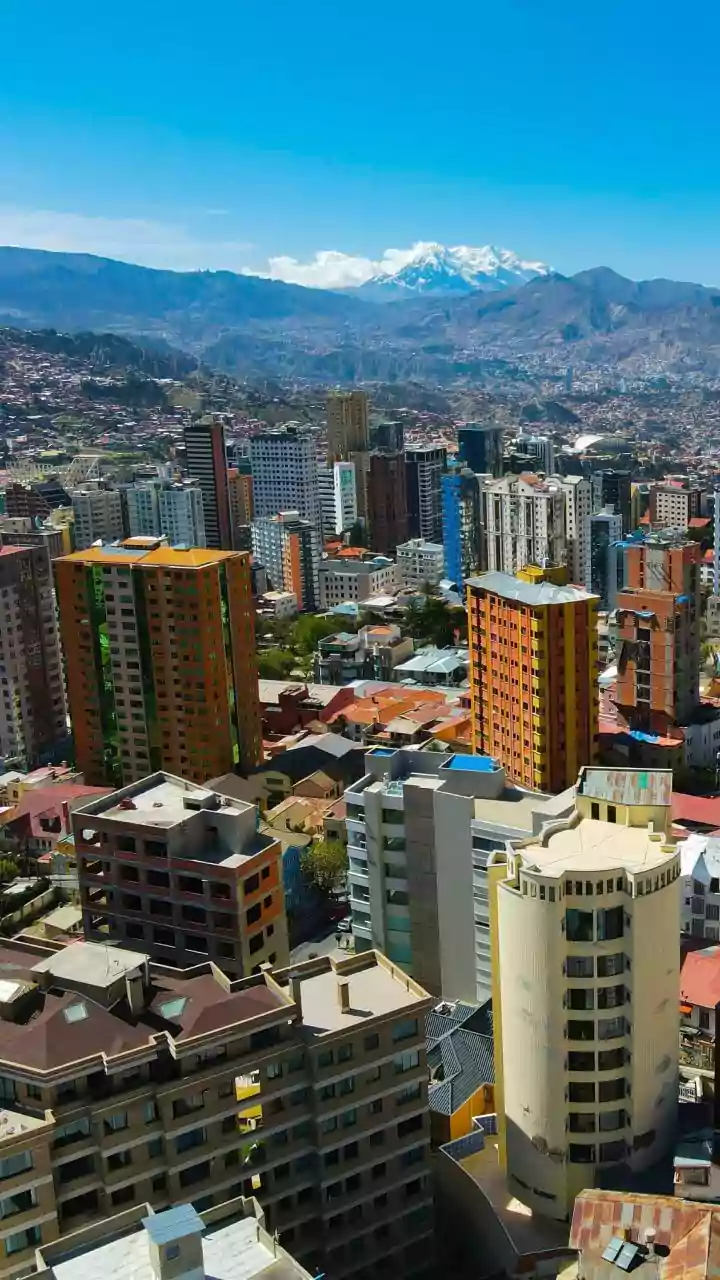
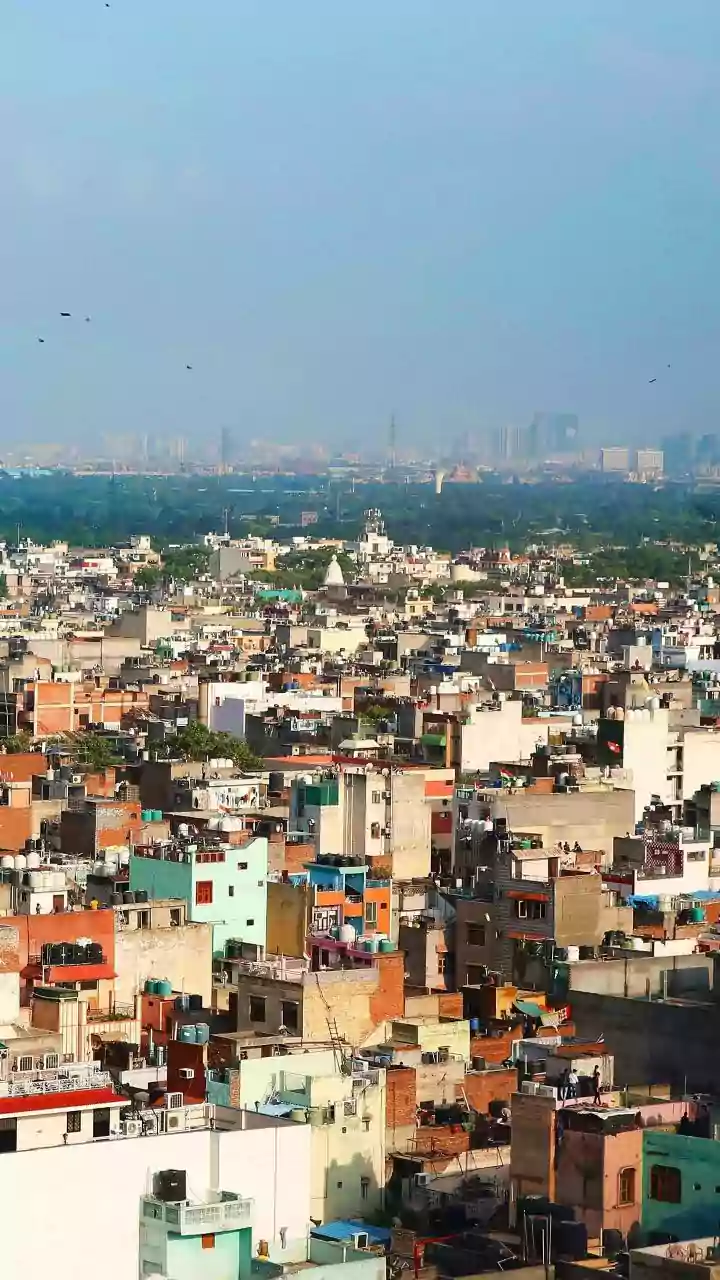
An urban heat island (UHI) is a phenomenon where a metropolitan area is significantly warmer than the surrounding rural areas. The reason is simple: cities are full of materials that absorb and retain heat. Concrete buildings, asphalt roads, and dark-coloured
rooftops soak up the sun's energy all day long. After sunset, while natural landscapes like forests and fields cool down quickly, these urban surfaces slowly release the stored heat back into the atmosphere. This process means that city temperatures, especially at night, remain several degrees higher than in the countryside, creating a pocket of warmth that can be hard to escape.
The Tier 2 Growth Trap
While heat islands are common in megacities like Delhi and Mumbai, they are becoming an escalating problem in India's Tier 2 cities such as Lucknow, Jaipur, and Erode. These cities are hubs of rapid, often unplanned, urbanisation. Green spaces and water bodies, which have a natural cooling effect through shade and evaporation, are quickly being replaced by concrete structures and paved surfaces. This frantic pace of development, combined with a lack of stringent planning that prioritises green infrastructure, means these cities are essentially building heat traps. Studies show that temperatures in these developing urban centres can be significantly higher than in adjacent rural areas, a trend expected to worsen.
How Heat Hijacks Your Sleep
The connection between heat and poor sleep is biological. To initiate and maintain deep, restorative sleep, your body's core temperature needs to drop slightly. High ambient nighttime temperatures, a signature of the UHI effect, directly interfere with this natural cooling process. Your body has to work harder to shed heat, which can lead to a faster heart rate, restlessness, and frequent awakenings. Studies have shown that for every one-degree Celsius increase in nighttime temperature, sleep duration can be measurably reduced. This prevents you from reaching the critical deep sleep and REM stages, which are vital for physical recovery and cognitive function. As a result, you might wake up feeling tired and groggy, even after spending a full night in bed.
More Than Just a Bad Night
Occasional sleeplessness is one thing, but chronic sleep disruption due to persistent nighttime heat—also known as thermal stress—has serious health consequences. Poor sleep is linked to a weakened immune system, impaired cognitive function, and an increased risk of accidents. Over the long term, the strain placed on the body from consistently overheating at night can contribute to cardiovascular problems and worsen existing conditions like asthma or sleep apnea. For vulnerable populations, such as the elderly, young children, and outdoor workers, the health risks are even greater. Essentially, what starts as an environmental issue becomes a significant public health crisis.
Greener Cities, Better Sleep
The good news is that Tier 2 cities, many of which are still developing, have an opportunity to avoid the mistakes made by larger metropolises. The solutions to mitigating the UHI effect are well-known and focus on reintroducing nature and smarter design into the urban fabric. Increasing tree cover and creating parks provide shade and cool the air through evapotranspiration. Other effective strategies include installing 'cool roofs' with reflective paint, using lighter-coloured paving materials that absorb less heat, and promoting the development of green roofs and vertical gardens. By integrating these nature-based solutions into urban planning, cities can lower temperatures, reduce energy consumption from air conditioning, and ultimately create healthier, more livable environments for their residents.