





The Hidden Cost of Holiday Shopping
Behind the festive cheer, the holiday season drives a massive spike in consumption that carries a substantial environmental price. Mass-produced gifts, often manufactured in large factories, have a high carbon footprint due to energy-intensive production
methods and global transportation. This process contributes to significant carbon emissions and waste. During the festive period, household waste can increase by nearly 30 percent, with packaging being a primary culprit. Items like glossy wrapping paper, plastic ribbons, and single-use gift bags often contain plastics, foils, or glitter, making them non-recyclable and destined for landfills. The convenience of fast shipping also adds to the environmental burden, as last-mile deliveries are one of the most carbon-intensive parts of e-commerce. Making conscious choices can help mitigate this impact, turning your gift-giving into a force for positive change.
Why Artisan Gifts Are a Greener Choice
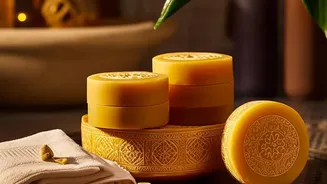
Opting for handmade artisan products is a powerful way to reduce your environmental impact. Unlike mass-produced items, handcrafted goods are typically made in small workshops or homes, using significantly less energy and generating fewer emissions. Artisans often use locally sourced, natural, and sustainable materials like reclaimed wood, natural fibres, and recycled metals. This not only lowers the carbon footprint associated with transportation but also supports the use of biodegradable and eco-friendly resources. By choosing a handmade gift, you are supporting a tradition of quality craftsmanship. These items are often made with greater care, ensuring they last longer and are cherished for years, reducing the cycle of waste. Moreover, purchasing directly from local artisans helps support their livelihoods and preserves cultural heritage that has been passed down through generations.
The Lasting Gift of Green Plants
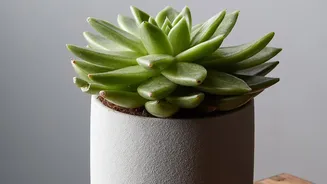
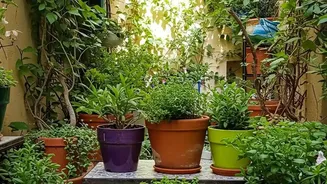
Giving a plant is a gift that continues to give long after the holidays are over. Unlike disposable gifts, a living plant is a sustainable choice that actively benefits the environment. Plants are natural air purifiers, absorbing carbon dioxide and releasing oxygen, which helps improve indoor air quality. Leafy plants are particularly effective at this process. Beyond their environmental benefits, houseplants have been shown to boost well-being, reduce stress, and create a calming atmosphere. A plant is a long-lasting present that can bring joy for years, serving as a constant reminder of a thoughtful gesture. It's a gift that promotes sustainability and can inspire a deeper appreciation for nature. Choosing a plant is choosing a gift that grows, thrives, and actively contributes to a healthier living space.
Choosing the Right Plant for an Indian Home
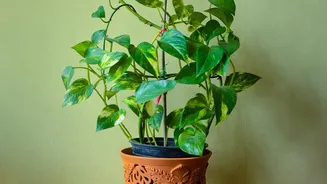
When gifting a plant, it’s important to select one that is well-suited to the recipient's environment and lifestyle. For Indian homes, many low-maintenance options thrive in the diverse climate. The Snake Plant is famously hard to kill, tolerating low light and infrequent watering. Similarly, the ZZ Plant is perfect for beginners as it is highly resilient to neglect. The Money Plant (Pothos) is another popular and easy-to-care-for choice that grows quickly and adds a beautiful trailing aesthetic. For a touch of the tropics, the Areca Palm is well-suited to the Indian climate, though it prefers bright, indirect light and consistent moisture. These plants not only survive but flourish in indoor settings, making them ideal, hassle-free green gifts.
Eco-Friendly Wrapping and Presentation
Your sustainable efforts shouldn't end with the gift itself. Conventional wrapping paper often can't be recycled, so consider creative and green alternatives. Furoshiki, the Japanese art of wrapping with cloth, is a beautiful and reusable option; you can use scarves or tea towels that become part of the gift. Old newspapers, maps, or even decorated brown paper bags offer a rustic and charming look. Instead of plastic tape, secure your gifts with natural twine or reusable fabric ribbons. For a final festive touch, skip the plastic bows and adorn your presents with natural elements like dried citrus slices, cinnamon sticks, or sprigs of pine. These small changes can make a big difference in reducing holiday waste.