





The Power of a Pinch
Iodine is a micronutrient that plays a colossal role in our well-being. It is essential for producing thyroid hormones, which act as the body's master regulators. These hormones control our metabolism, support growth, and are absolutely critical for brain
development, especially from pregnancy through early childhood. Without enough iodine, the thyroid gland can't do its job, leading to a cascade of health issues collectively known as Iodine Deficiency Disorders (IDDs). The consequences can range from fatigue and weight gain to more severe outcomes like goitre (a swelling of the neck) and irreversible intellectual disabilities in children. In fact, iodine deficiency is considered the world's single most preventable cause of brain damage.
India's Fight Against a Silent Epidemic
For much of the 20th century, iodine deficiency was a widespread public health problem across India. Studies dating back to the 1950s revealed that entire regions, particularly in the sub-Himalayan belt, had soil naturally low in iodine, leading to high rates of goitre. It soon became clear the issue wasn't isolated; surveys showed that no state was entirely free from IDDs. Realising the scale of the problem, the Government of India launched the National Goitre Control Programme in 1962. This initiative was a crucial first step, but the real turning point came with a simple, powerful idea: fortifying a food item that everyone consumes. Salt was the perfect vehicle.
Universal Salt Iodisation: A Public Health Triumph
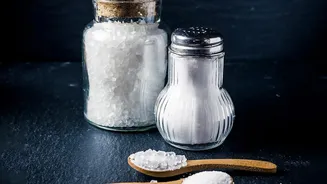
In 1984, the government made the landmark policy decision to iodise all edible salt, a program that began rolling out in phases from 1986. In 1992, the program was expanded and renamed the National Iodine Deficiency Disorders Control Programme (NIDDCP) to reflect its broader goals. The strategy, known as Universal Salt Iodisation (USI), was elegantly simple: add a tiny, controlled amount of potassium iodate to all edible salt during production. This ensures that nearly everyone, regardless of their economic status or dietary habits, gets their required daily dose of about 150 micrograms. Decades later, the program is hailed as a major public health success story. India now produces enough iodised salt to meet the entire nation's needs, and household consumption of iodised salt has soared. As a direct result, goitre prevalence among schoolchildren has fallen dramatically.
Checking the Label: Your Role in Staying Healthy
The success of the NIDDCP shows how a simple, low-cost intervention can have a massive national impact. However, the journey isn't entirely over. While most households use iodised salt, studies show that coverage of 'adequately' iodised salt—salt with at least 15 parts per million (ppm) of iodine—hovers around 76%. Iodine levels can diminish over time with exposure to moisture and sunlight, so proper storage and using salt from reputable manufacturers is important. For the average consumer, the most important action is simple: check the packaging. Look for the 'iodised' label when you buy salt. This small habit ensures you and your family are protected from deficiency. Unless specifically advised by a doctor, people who regularly consume iodised salt typically do not need extra iodine supplements.