






The Scale of India's Post-Harvest Problem
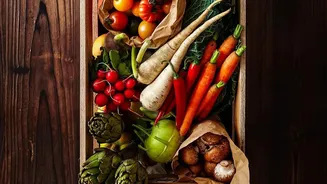
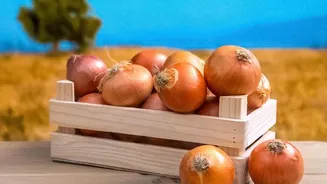
Every year, a significant portion of India's agricultural produce never makes it from the farm to the consumer. Estimates suggest that post-harvest losses, particularly for perishable items like fruits and vegetables, can be as high as 30-50%. Overall,
the value of food wastage is estimated to be around ₹92,000 crore annually. These losses occur at various stages—from the farm gate due to a lack of cold storage, to inefficient supply chains and transit damage. This isn't just a waste of food; it represents a loss of income for farmers and a strain on natural resources like water and land used to grow the produce. As the Food and Agriculture Organization (FAO) of the United Nations highlights, reducing food loss is critical for food security and farmer livelihoods.
From Spoilage to Surplus: The Value-Addition Mindset
The solution lies in shifting the perspective from managing 'waste' to creating 'value'. This is where food processing comes in. Instead of allowing excess tomatoes to rot, they can be turned into purée or ketchup. Surplus bananas can become nutrient-dense banana bars, and discarded banana stems can even be transformed into eco-friendly products like yoga mats. This process of value addition not only prevents wastage but also creates new revenue streams for farmers and entrepreneurs. It allows agricultural produce to be preserved in a stable form, extending its shelf life from days to months and enabling it to reach distant markets. Agritech startups across the country are now building business models around this very concept.
Technologies Transforming the Harvest
Innovation is the engine driving this transformation. While traditional methods like pasteurisation have been used for years, they can often degrade the nutritional quality of food. Newer, non-thermal technologies are changing the game. Techniques like High-Pressure Processing (HPP) and Cold Plasma treatment can eliminate microbes and extend shelf life while preserving the food's natural colour, flavour, and nutrients. Simple but effective methods like osmo-drying for fruits and solar-powered dehydration for flowers are enabling farmers to create high-value products like ready-to-eat snacks and natural colourants. At the same time, improvements in supply chain technology, such as AI-driven logistics and quality assessment, are helping companies like Ninjacart and Crofarm reduce transit waste and ensure better prices for farmers.
The Faces Behind the Innovation
This movement is powered by people. In Bihar, three friends founded Taruwar Agro, a company that now generates crores in revenue by turning banana waste into valuable products. In Kanpur, Shivraj Nishad left a corporate job to start a solar-powered flower dehydration unit, providing over 100 farmers with a stable income by converting their flowers into teas. Across India, farmer-producer companies and self-help groups are being empowered to move up the value chain. By converting raw millets into branded health foods or processing gooseberries into jams and pickles, they are not just selling produce; they are building brands and securing their financial future.
Building a Zero-Waste Future
The road ahead requires a concerted effort. The Indian government is supporting this shift through various initiatives like the Pradhan Mantri Kisan SAMPADA Yojana (PMKSY) and the Production Linked Incentive (PLI) scheme for the food processing industry. These schemes provide financial assistance and subsidies for setting up modern infrastructure, including cold chains and processing units. The official theme for World Food Day 2026, 'Innovate today. Nourish tomorrow,' perfectly encapsulates this mission. By fostering an ecosystem that encourages innovation, supports entrepreneurs, and empowers farmers, India can transform its post-harvest challenges into a powerful engine for economic growth and nutritional security.