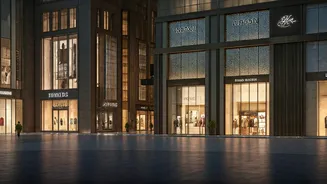









The Saturated Metro Mirage
For international and domestic skincare brands, the traditional playbook has been simple: launch in Mumbai and Delhi, expand to Bengaluru, Chennai, and Kolkata, and dominate premium retail. This has turned the major metros into a fiercely competitive
red ocean. The costs of customer acquisition are soaring, driven by expensive digital ads and high-profile influencer campaigns targeting the same, increasingly jaded urban consumer. Brands are fighting for a shrinking slice of attention from an audience that has seen it all. While these hubs still represent significant value, especially for luxury goods, they are no longer the primary engine of growth. The real demographic and economic momentum has shifted elsewhere.
The Rise of the Aspirational Non-Metro Consumer
The next hundred million skincare consumers are not in the metros. They are in cities like Jaipur, Lucknow, Surat, and Indore. Thanks to rising disposable incomes, widespread internet access, and the cultural influence of social media, these consumers are more aware and aspirational than ever. They are exposed to global trends, seek effective solutions for their specific skin concerns, and are increasingly willing to spend on personal care to upgrade their lifestyles. Reports show that e-commerce growth in Tier 2 and 3 cities is rapidly driving skincare sales, making these markets a dominant force in India's next phase of growth. This isn't about selling cheaper alternatives; it's about meeting a new, informed customer base where they are.
Digital Is the Great Equaliser
Reaching this distributed audience was once a logistical nightmare. Not anymore. The rise of direct-to-consumer (D2C) models, powered by social commerce and pan-India logistics, has levelled the playing field. Brands no longer need to rely solely on expensive physical retail footprints. E-commerce platforms and quick commerce apps are democratising access, making a new serum from a niche brand as available in Bhopal as it is in Bandra. This digital-first approach allows brands to build direct relationships with customers, gather immediate feedback, and bypass the traditional gatekeepers of distribution. The key, however, is not just being online, but being relevant.
A Playbook for Vernacular Victory
A successful smaller-city strategy cannot be a simple copy-paste of the metro model. It requires a new playbook built on authenticity and local relevance. This means embracing vernacular marketing; communicating with customers in Hindi, Tamil, or Marathi is more effective than sticking to English-only campaigns. It also means collaborating with regional influencers who have genuine trust and relatability within their communities, rather than just top-tier, metro-based celebrities. Brands must understand that trust is paramount in these markets. This can be achieved by offering affordable SKUs or sachets to encourage trials, developing products that address regional climate-specific concerns, and ensuring content feels culturally connected, not just translated.
The First-Mover Advantage
While some D2C brands like Mamaearth have made significant inroads by building an omnichannel presence that now reaches tens of thousands of retail outlets in smaller towns, the field is far from crowded. Many legacy and premium brands are still operating with an outdated, metro-centric map of India. The opportunity for first-movers is immense. The brands that invest now in building a distributed supply chain, creating authentic vernacular content, and earning the trust of consumers in India's heartland will not just capture market share—they will build enduring loyalty. They will become the household names for the next generation of Indian consumers, long before their competitors even realise the game has changed.